
 EN
EN
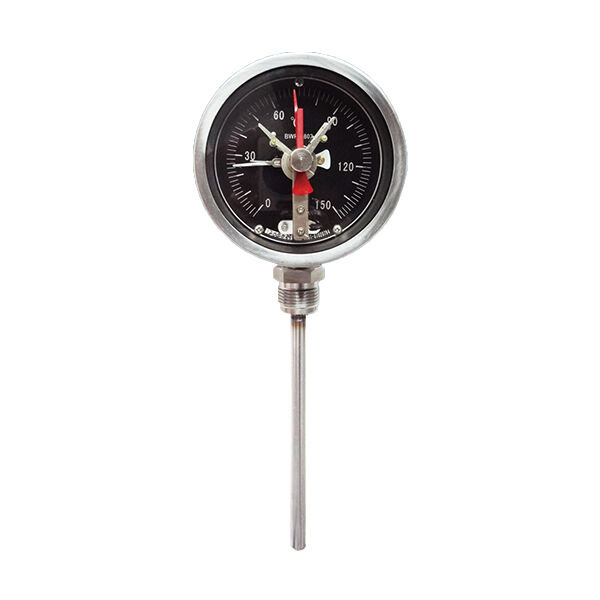
Transformator jenis kering merupakan komponen penting dalam sistem pengagihan elektrik moden, yang menukarkan aras voltan tanpa menggunakan bahan penebat berbasis minyak. Namun, transformator ini menghasilkan haba yang ketara semasa operasi, dan penyejukan yang tidak memadai boleh menyebabkan kemerosotan penebat, penurunan kecekapan, serta kegagalan awal. Untuk mengatasi cabaran ini, jurutera semakin bergantung pada sistem penyejukan khusus, dengan kipas aliran silang tiupan atas muncul sebagai penyelesaian utama untuk mengekalkan suhu operasi yang optimum. Memahami senario yang sesuai serta teknik pemasangan yang betul bagi kipas-kipas ini adalah kritikal untuk memastikan jangka hayat transformator yang panjang, kebolehpercayaan sistem, dan keselamatan operasi dalam persekitaran industri dan komersial.
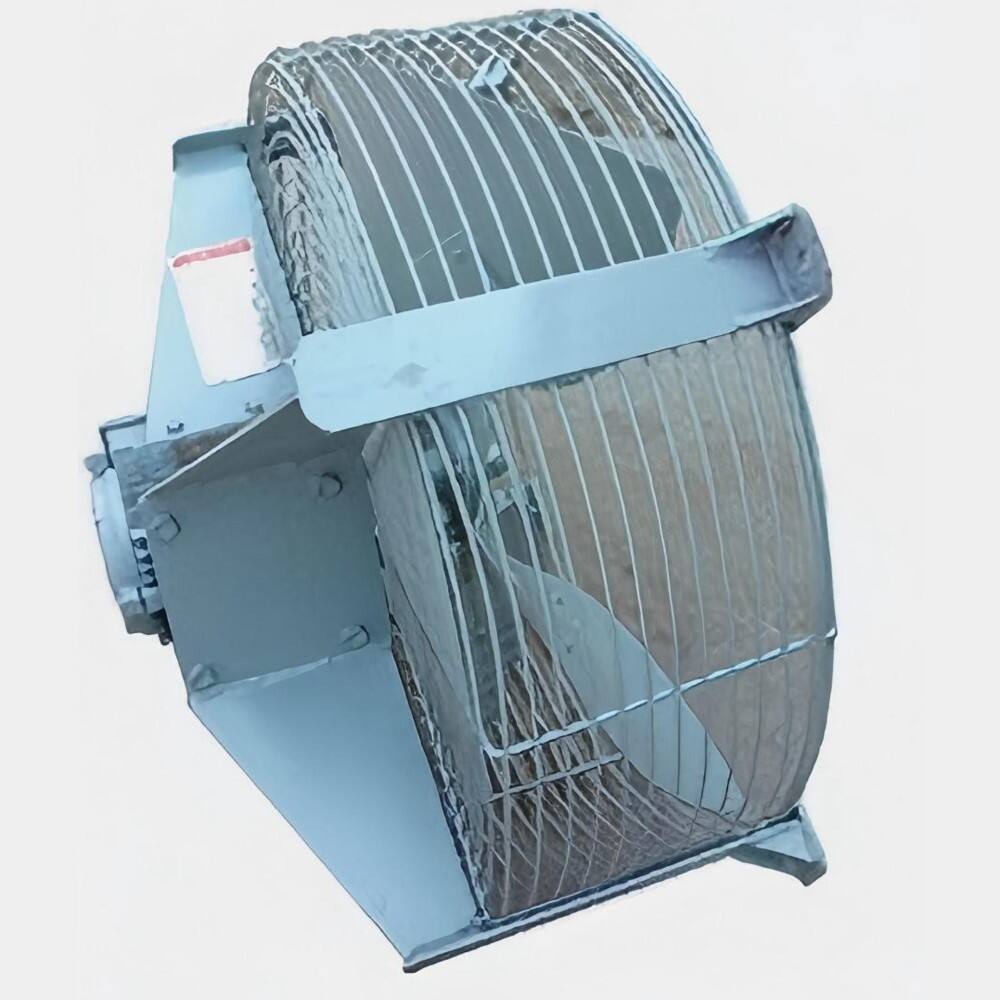
Artikel ini memberikan panduan komprehensif mengenai cara mengenal pasti senario aplikasi yang sesuai untuk kipas aliran-silang dalam penyejukan transformator jenis kering serta menerangkan pertimbangan penting berkaitan pemasangan yang perlu ditangani oleh jurutera elektrik dan pengurus kemudahan. Mulai dari memahami ciri-ciri beban haba hingga melaksanakan konfigurasi pemasangan yang betul, maklumat yang dikemukakan di sini berfungsi sebagai rujukan praktikal bagi profesional yang bertanggungjawab terhadap pengurusan haba transformator. Dengan menganalisis keperluan khusus industri, faktor persekitaran, dan spesifikasi teknikal, panduan ini membantu anda membuat keputusan berinformasi mengenai masa dan cara penerapan sistem kipas aliran-silang berjenis tiupan atas yang memberikan prestasi konsisten dalam keadaan operasi sebenar.
Memahami Senario yang Sesuai untuk Kipas Aliran-Silang dalam Transformator Jenis Kering Transformer Penyejukan
Persekitaran Industri Berbeban Tinggi
Fasiliti industri dengan beban elektrik berat yang berterusan merupakan senario ideal untuk melaksanakan sistem penyejukan kipas aliran silang tiupan atas. Kilang pembuatan, kilang keluli, dan fasiliti pemprosesan kimia biasanya mengendalikan transformer pada atau hampir pada kapasiti kadarannya untuk jangka masa yang panjang, menghasilkan tekanan haba yang besar. Dalam persekitaran ini, konveksi udara semula jadi terbukti tidak mencukupi untuk mengekalkan suhu gegelung dalam had selamat, terutamanya apabila keadaan sekitar melebihi parameter rekabentuk piawai. Pengagihan aliran udara yang seragam yang disediakan oleh kipas aliran silang menjadi penting untuk mengelakkan titik-titik panas setempat yang boleh terbentuk dalam teras dan gegelung transformer semasa operasi beban tinggi yang berpanjangan.
Konfigurasi kipas aliran silang dengan tiupan atas unggul dalam aplikasi menuntut ini kerana ia memberikan pergerakan udara yang konsisten di seluruh luas permukaan transformer. Berbeza daripada kipas axial yang menghasilkan corak aliran udara terfokus, rekabentuk aliran silang menghasilkan tirai udara lebar dan laminar yang membuang haba secara sekata dari semua bahagian transformer. Ciri ini terbukti sangat bernilai dalam transformer berkapasiti besar, di mana kecerunan suhu boleh menyebabkan pengembangan berbeza dan tekanan mekanikal. Industri yang beroperasi dalam tiga shift atau jadual pengeluaran 24/7 mendapat manfaat besar daripada pendekatan penyejukan ini, kerana ia mengekalkan suhu operasi yang stabil tanpa mengira variasi beban sepanjang hari.
Persekitaran Pemasangan dengan Ruang Terhad
Fasiliti dengan ruang lantai terhad atau jarak pemasangan yang terhad merupakan salah satu senario aplikasi utama lain bagi sistem kipas aliran-silang. Substesen bandar, bilik elektrik bangunan komersial, dan projek pemasangan semula sering menghadapi batasan dimensi yang menjadikan penyelesaian penyejukan tradisional tidak praktikal. Profil padat kipas aliran-silang jenis tiupan atas membolehkan pemasangan dalam ruang sempit di mana susunan kipas axial konvensional memerlukan kedalaman pemasangan berlebihan atau jarak lega di sekeliling kandungan transformer. Kecekapan ruang ini menjadi terutamanya penting apabila meningkatkan pemasangan lama atau memperluas kapasiti dalam bilik elektrik sedia ada.
Kipas aliran-silang yang dipasang dalam konfigurasi tiupan dari atas juga menangani cabaran pengudaraan di bilik transformator tertutup atau separa tertutup. Pemasangan ini mendapat manfaat daripada corak aliran udara menegak yang secara semula jadi selaras dengan kenaikan haba konvektif dari permukaan transformator. Reka bentuk ini memudahkan pengekstrakan haba yang berkesan tanpa memerlukan saluran udara yang luas atau sistem pengagihan udara yang rumit. Pengurus kemudahan yang mengendali projek pembaharuan atau peluasan kapasiti mendapati pendekatan penyejukan ini memberi kelebihan kerana ia meminimumkan ubah suai struktur sambil menyampaikan prestasi pengurusan haba yang diperlukan bagi infrastruktur elektrik yang ditingkatkan.
Keadaan Operasi yang Mencabar dari Segi Alam Sekitar
Transformer yang dipasang di kawasan dengan suhu persekitaran yang ekstrem atau keadaan kualiti udara yang buruk memerlukan penyelesaian penyejukan yang kukuh untuk mengekalkan keberkesanannya dalam keadaan tidak menguntungkan. Iklim gurun, persekitaran tropika, dan kawasan perindustrian dengan kontaminan udara mencipta cabaran operasi yang menuntut pendekatan penyejukan khusus. Suatu sistem yang dinyatakan dengan betul kipas aliran lintang tiupan atas boleh direkabentuk dengan penapisan yang sesuai, perlindungan motor, dan pilihan bahan yang tepat untuk berfungsi secara boleh percaya dalam keadaan keras ini sambil mencegah pengumpulan kontaminan pada permukaan transformer.
Reka bentuk kipas aliran-silang secara semula jadi menawarkan kelebihan dalam atmosfera berdebu atau korosif kerana rumah motor yang kedap dan konfigurasi impeler yang dilindungi mengurangkan pendedahan langsung kepada kontaminan persekitaran. Apabila digabungkan dengan pra-tapis yang sesuai dan protokol penyelenggaraan, sistem-sistem ini mampu mengekalkan prestasi penyejukan sepanjang selang perkhidmatan yang panjang walaupun dalam keadaan ambien yang mencabar. Pemasangan di kawasan pesisir yang terdedah kepada semburan garam, operasi perlombongan dengan udara yang kaya zarah, dan kemudahan pertanian yang mengandungi sisa organik semuanya mendapat manfaat daripada pembinaan yang dilindungi dan reka bentuk yang mesra penyelenggaraan pada unit kipas aliran-silang jenis tiup-atas yang direkabentuk khusus untuk cabaran persekitaran masing-masing.
Pertimbangan Teknikal Penting untuk Pemilihan dan Penyesuaian Saiz Kipas
Mengira Aliran Udara yang Diperlukan dan Kapasiti Penyejukan
Pemilihan kipas aliran silang tiup atas yang sesuai bermula dengan pengiraan yang tepat terhadap keperluan pembuangan haba transformer dan keperluan aliran udara yang sepadan. Jurutera mesti menentukan jumlah kehilangan transformer di bawah keadaan beban yang dijangka, dengan mengambil kira kehilangan tanpa beban, kehilangan berbeban, serta sebarang faktor penurunan kadar yang berkaitan dengan suhu persekitaran atau altitud. Amalan piawai melibatkan pengiraan kenaikan suhu di atas suhu persekitaran yang perlu ditangani oleh sistem penyejukan, kemudian menentukan kadar aliran udara isipadu yang diperlukan untuk membuang haba ini melalui konveksi paksa. Pengiraan ini biasanya mengambil kira muatan haba tentu udara, perbezaan suhu yang tersedia, dan kecekapan pemindahan haba dari permukaan transformer ke aliran udara yang bergerak.
Proses penentuan saiz juga harus mengambil kira faktor impedans sistem yang mempengaruhi aliran udara sebenar yang dihantar berbanding kapasiti kadar kipas. Geometri enklosur transformer, hadangan pada saluran masuk dan keluar udara, serta kehadiran gril pengudaraan atau skrin pelindung semuanya mencipta rintangan tekanan statik yang mesti diatasi oleh kipas. Sistem kipas aliran silang tiup atas yang bersaiz betul termasuk marjin tekanan yang sesuai untuk memastikan penghantaran aliran udara yang mencukupi, walaupun penapis mengumpul habuk atau halangan kecil berkembang dari masa ke masa. Amalan kejuruteraan yang berhati-hati biasanya menggunakan faktor keselamatan sebanyak lima belas hingga dua puluh lima peratus di atas keperluan minimum yang dikira untuk mengakomodasi pertumbuhan beban, variasi suhu mengikut musim, dan penurunan prestasi beransur-ansur antara selang penyelenggaraan.
Spesifikasi Elektrik dan Integrasi Kawalan
Ciri-ciri elektrik bagi motor kipas aliran silang mesti selaras dengan bekalan kuasa yang tersedia dan terintegrasi secara lancar dengan sistem pemantauan dan perlindungan transformer. Kebanyakan aplikasi industri menggunakan motor tiga fasa untuk mencapai kecekapan dan kebolehpercayaan, walaupun pilihan motor satu fasa tersedia bagi penilaian transformer yang lebih kecil. Pemilihan voltan harus sepadan dengan piawaian tapak, dengan konfigurasi biasa termasuk 208 V, 230 V, 380 V, 400 V, atau 480 V bergantung kepada kod elektrik serantau dan infrastruktur sedia ada. Ciri perlindungan motor seperti suis beban lebih haba, sensor suhu bantalan, dan pemantau getaran meningkatkan kebolehpercayaan sistem serta memudahkan program penyelenggaraan berdasarkan ramalan.
Integrasi kawalan mewakili aspek kritikal dalam rekabentuk sistem kipas aliran silang tiupan atas, terutamanya untuk aplikasi beban berubah. Skema kawalan termostatik mengaktifkan kipas apabila suhu gegelung transformer melebihi ambang yang telah ditetapkan, mengurangkan penggunaan tenaga dan hingar semasa tempoh beban ringan. Pemasangan yang lebih canggih menggunakan pemacu frekuensi berubah yang mengubah kelajuan kipas secara berkadar dengan beban atau suhu transformer, mengoptimumkan kecekapan penyejukan di sepanjang julat operasi keseluruhan. Strategi kawalan ini memperpanjang jangka hayat bantalan motor, mengurangkan penggunaan elektrik, dan meminimumkan pelepasan akustik sambil mengekalkan perlindungan haba yang mencukupi. Spesifikasi yang sesuai termasuk pertimbangan antara muka isyarat kawalan, protokol komunikasi untuk integrasi dengan sistem pengurusan bangunan, dan mod keselamatan (failsafe) yang memastikan ketersediaan penyejukan semasa berlakunya kegagalan sistem kawalan.
Prestasi Akustik dan Keperluan Pengurangan Hingar
Janaan bunyi daripada kipas penyejukan sering menimbulkan cabaran besar, terutamanya di bangunan komersial, kawasan perumahan, atau kemudahan yang mempunyai peraturan alam sekitar yang ketat. Ciri akustik sistem kipas aliran silang dengan tiupan dari atas bergantung kepada pelbagai faktor termasuk kelajuan kipas, rekabentuk bilah, jenis motor, konfigurasi pemasangan, dan jaraknya dari ruang yang diduduki. Kipas aliran silang secara umumnya menghasilkan bunyi tonal yang lebih rendah berbanding rekabentuk aksial disebabkan oleh taburan frekuensi yang lebih luas dan kelajuan hujung yang dikurangkan untuk aliran udara yang setara. Namun, spesifikasi yang tepat masih memerlukan analisis terperinci terhadap aras kuasa bunyi, ciri-ciri spektrum frekuensi, dan laluan penyebaran bunyi ke kawasan sekitar.
Strategi kawalan bunyi yang berkesan menggabungkan ciri-ciri reka bentuk kipas secara semula jadi dengan amalan pemasangan yang sesuai. Pilih teknologi motor berbunyi rendah, profil bilah yang dioptimumkan, dan sistem pemasangan yang diasingkan daripada getaran untuk meminimumkan penjanaan bunyi di sumbernya. Pembungkus akustik, bahan pelapik penyerap bunyi, dan halangan yang diletakkan secara strategik seterusnya mengurangkan penghantaran bunyi ke kawasan yang sensitif. Apabila menentukan spesifikasi kipas aliran silang tiup atas untuk aplikasi yang kritikal dari segi bunyi, jurutera harus meminta data ujian akustik pihak ketiga yang diukur mengikut piawaian yang diiktiraf, memastikan aras bunyi yang diramalkan mengambil kira keadaan pemasangan sebenar dan bukan ukuran makmal yang ideal. Dokumen spesifikasi yang betul harus menetapkan tahap tekanan bunyi maksimum yang dibenarkan pada titik pengukuran yang ditentukan serta memasukkan ketentuan pemulihan kontrak sekiranya prestasi selepas pemasangan melebihi had-had ini.
Amalan Pemasangan Asas untuk Prestasi Optimum
Konfigurasi Pemasangan dan Keperluan Sokongan Struktur
Pemasangan yang betul bagi sistem kipas aliran silang tiup atas memerlukan perhatian teliti terhadap kesesuaian struktur, pengasingan getaran, dan ketepatan pelarasan. Struktur penyokong mesti mampu menahan bukan sahaja berat statik bagi pemasangan kipas tetapi juga beban dinamik yang dihasilkan semasa operasi, termasuk tork permulaan motor, pemindahan getaran, dan beban angin jika dipasang di lokasi luar bangunan atau separa luar bangunan. Jurutera struktur perlu mengesahkan bahawa tapak transformator sedia ada, rangka pemasangan, atau struktur bangunan mempunyai kapasiti beban dan kekukuhan yang mencukupi untuk menyokong kelengkapan tambahan tanpa lenturan berlebihan atau isu resonans yang boleh memperbesar getaran atau hingar.
Pengasingan getaran merupakan elemen kritikal dalam amalan pemasangan profesional, yang menghalang pemindahan getaran yang dihasilkan oleh kipas ke struktur transformer dan unsur-unsur bangunan berdekatan. Pemasangan berkualiti menggunakan pengasing getaran jenis spring atau elastomerik yang disesuaikan saiznya mengikut kelajuan operasi kipas, ciri-ciri jisim, dan keperluan kecekapan pengasingan. Proses pemilihan pengasing mengambil kira pengasingan frekuensi rendah untuk mengelakkan resonans struktur serta pelembutan frekuensi tinggi untuk meminimumkan pemindahan hingar yang boleh didengari. Kelengkapan pemasangan harus termasuk penghad yang sesuai untuk mengelakkan pergerakan berlebihan semasa kejadian seismik atau apabila dikenakan daya luar, sambil tetap membenarkan sistem pengasing berfungsi secara efektif dalam keadaan operasi normal.
Optimumkan Laluan Aliran Udara dan Pengurusan Ruang Lega
Kesannya terhadap keberkesanan kipas aliran silang dengan tiupan dari atas bergantung secara ketara kepada pengurusan yang sesuai terhadap laluan udara masuk dan keluar. Reka bentuk pemasangan mesti menyediakan laluan pengambilan udara yang tidak terhalang untuk membekalkan kipas dengan isipadu udara sekitar yang mencukupi tanpa menghasilkan halaju masuk yang berlebihan atau gangguan aliran udara (turbulensi). Amalan yang disyorkan adalah mengekalkan halaju dalam saluran masuk di bawah 500 kaki per minit bagi meminimumkan kehilangan tekanan dan mencegah pemisahan aliran yang akan merosakkan prestasi kipas. Laluan keluar juga memerlukan perhatian yang sama, dengan saluran keluar atau ruang penyebaran (plenum) direka bentuk untuk mengagihkan udara sejuk secara seragam di seluruh permukaan transformer sambil mengelakkan pengaliran semula (recirculation) yang akan mengurangkan keberkesanan penyejukan.
Pengurusan ruang lega di sekitar transformer dan unit kipas memastikan akses servis yang mencukupi sambil mengekalkan prestasi sistem penyejukan. Pegawai penyelenggaraan memerlukan ruang kerja yang mencukupi untuk menjalankan pertukaran penapis, pelinciran bantalan motor, pelarasan tali sawat (jika berkaitan), dan pemeriksaan berkala tanpa perlu mengeluarkan peralatan. Lukisan pemasangan harus dengan jelas menunjukkan dimensi minimum ruang lega di semua sisi unit kipas aliran silang tiup atas, dengan mengambil kira kemungkinan pengeluaran kipas jika servis utama diperlukan. Perancangan ruang lega yang sesuai juga mengambil kira aspek keselamatan, memastikan bahawa komponen berputar, sambungan elektrik, dan permukaan panas tetap dilindungi dengan baik atau diletakkan jauh dari kawasan lalu lintas biasa dan kawasan kerja penyelenggaraan.
Piawaian Sambungan Elektrik dan Pematuhan Keselamatan
Pemasangan elektrik sistem kipas aliran rentas mesti mematuhi kod dan piawaian yang berkuat kuasa berkaitan sambungan motor, perlindungan terhadap arus lebih, dan amalan pembumian. Juruelektrik yang berkelayakan harus menyalurkan konduktor bekalan melalui sistem kondui yang sesuai, dengan mengekalkan jarak pemisahan daripada terminal voltan tinggi transformer serta mematuhi keperluan jarak bebas yang dinyatakan dalam kod elektrik berkaitan. Kotak sambungan motor memerlukan pengedap dan orientasi yang betul untuk mengelakkan kemasukan lembapan sekaligus memudahkan akses penyelenggaraan pada masa hadapan. Saiz wayar mesti mengambil kira pertimbangan kejatuhan voltan, terutamanya dalam pemasangan yang mempunyai jarak kabel yang panjang antara pusat kawalan motor dan lokasi kipas.
Pemasangan wayar kawalan untuk pengesan suhu, litar saling kunci, dan sistem pemantauan memerlukan perhatian terhadap butiran yang sama rata. Kabel isyarat voltan rendah harus diarahkan secara berasingan daripada konduktor kuasa untuk mengelakkan gangguan elektromagnetik yang boleh menyebabkan bacaan suhu palsu atau tingkah laku kawalan tidak menentu. Integrasi kawalan kipas aliran silang tiupan atas harus termasuk saling kunci yang sesuai dengan sistem perlindungan transformer, memastikan bahawa kegagalan sistem penyejukan mencetuskan amaran yang bersesuaian dan beban transformer dikurangkan secara automatik jika kapasiti penyejukan terjejas. Dokumentasi semua sambungan elektrik—termasuk pengenalpastian terminal, pengarahan kabel, dan gambar rajah logik kawalan—adalah penting untuk pembaikan masalah pada masa hadapan dan pengubahsuaian sistem seiring dengan perkembangan keperluan kemudahan.
Protokol Penyelenggaraan dan Pengesahan Prestasi
Jadual dan Prosedur Penyelenggaraan Pencegahan
Prestasi berterusan sistem kipas aliran silang tiupan atas memerlukan penyelenggaraan pencegahan secara sistematik mengikut cadangan pengilang dan amalan terbaik industri. Selang pemeriksaan berkala biasanya berada dalam lingkungan semakan visual bulanan hingga pemeriksaan terperinci setiap suku tahun, dengan perkhidmatan komprehensif tahunan yang merangkumi pelinciran bantalan motor, pengesahan sambungan elektrik, dan ujian prestasi. Protokol pemeriksaan harus mendokumenkan parameter operasi kipas, termasuk arus tarikan motor, aras getaran, suhu bantalan, dan ciri-ciri bunyi untuk menetapkan trend prestasi asas yang memudahkan pengesanan awal masalah yang sedang berkembang sebelum menyebabkan kegagalan peralatan atau penurunan kapasiti penyejukan.
Penyelenggaraan penapis mewakili aspek yang sangat penting dalam penyelenggaraan sistem penyejukan, kerana pencemaran yang terkumpul memberi kesan langsung kepada penghantaran aliran udara dan keberkesanan penyejukan. Kemudahan harus menetapkan jadual pemeriksaan dan penggantian penapis berdasarkan keadaan operasi sebenar dan bukannya selang masa yang sewenang-wenang, memantau perbezaan tekanan di antara media penapis untuk menentukan masa penggantian yang optimum. Pemasangan kipas aliran silang bertiup atas harus menggabungkan pintu pemantauan tekanan atau penunjuk tekanan perbezaan yang memberikan petunjuk yang jelas mengenai keadaan penapis tanpa memerlukan peralatan pengukuran khusus. Pengurusan penapis proaktif bukan sahaja mengekalkan prestasi penyejukan tetapi juga memanjangkan hayat bantalan motor dengan mengurangkan tekanan operasi dan permintaan semasa yang dikenakan pada sistem kipas.
Ujian prestasi dan pengesahan terma
Pengujian pelancaran dan pengesahan berkala mengesahkan bahawa kapasiti penyejukan yang dipasang memenuhi spesifikasi rekabentuk dan mengekalkan suhu transformer dalam had yang dapat diterima. Protokol ujian prestasi menyeluruh mengukur suhu gegelung transformer di bawah keadaan beban yang ditetapkan, dengan membandingkan keputusan sebenar terhadap ramalan rekabentuk dan had kenaikan suhu yang ditetapkan oleh pengilang. Ujian harus dijalankan pada beberapa tahap beban untuk mengesahkan bahawa sistem kipas aliran silang tiupan atas memberikan penyejukan yang mencukupi di seluruh julat operasi, dengan tumpuan khusus kepada keadaan beban maksimum berkadaran yang memberikan tekanan haba paling ketat terhadap sistem penebat transformer.
Pengukuran aliran udara dan pengesahan prestasi sistem penyejukan memerlukan peralatan ukur yang sesuai serta metodologi ujian yang betul. Pengukuran langsung aliran udara menggunakan anemometer yang telah dikalibrasi atau stesen pengukuran aliran mengkuantifikasi aliran udara sebenar yang dihantar dan menentusahkan pematuhan terhadap spesifikasi rekabentuk. Tinjauan imej termal mengenal pasti mana-mana titik panas atau corak penyejukan yang tidak sekata yang mungkin menunjukkan masalah pengagihan aliran udara atau halangan setempat. Pasukan pemeriksaan profesional mendokumenkan data prestasi asas yang memberikan nilai rujukan untuk ujian perbandingan pada masa hadapan, membolehkan pengurus kemudahan mengesan penurunan prestasi beransur-ansur dan menjadualkan tindakan pembetulan proaktif sebelum kapasiti penyejukan jatuh di bawah ambang kritikal yang membahayakan kebolehpercayaan transformer dan kesinambungan perkhidmatan.
Mengesan dan Menyelesaikan Masalah Biasa Berkaitan Pemasangan dan Operasi
Walaupun sistem yang direka dengan baik kadang kala mengalami kesukaran operasi yang memerlukan diagnosis dan pembetulan secara sistematik. Masalah biasa termasuk penyejukan yang tidak mencukupi walaupun kipas kelihatan beroperasi, hingar atau getaran yang berlebihan, serta kegagalan komponen secara pra-matang. Prosedur diagnosis bermula dengan pengesahan parameter asas seperti arah putaran motor yang betul, kelajuan kipas yang sesuai, dan ketiadaan halangan dalam laluan udara. Ramai masalah prestasi penyejukan berpunca daripada sebab mudah seperti penapis tersumbat, pemacu tali sawat yang longgar, atau damper yang diletakkan secara tidak betul sehingga menghalang aliran udara walaupun kipas beroperasi secara normal dan arus tarikan motor berada dalam julat normal.
Masalah yang lebih kompleks mungkin melibatkan kegagalan sistem kawalan, kegagalan bantalan, atau kemerosotan lilitan motor yang memerlukan kepakaran diagnostik khusus. Kipas aliran silang (cross flow fan) berkuasa tinggi yang menunjukkan bunyi atau getaran yang tidak biasa mungkin menunjukkan kerosakan bantalan, ketidakseimbangan impeler, atau resonans struktur pemasangan—keadaan yang memerlukan tindakan segera bagi mengelakkan kegagalan teruk. Isu prestasi haba kadang kala timbul daripada rekabentuk sistem yang tidak mencukupi, bukan disebabkan oleh kegagalan komponen, dan seterusnya memerlukan analisis kejuruteraan untuk menentukan sama ada peningkatan kapasiti, pengubahsuaian agihan aliran udara, atau langkah penyejukan tambahan memberikan penyelesaian yang paling berkesan dari segi kos. Penyimpanan rekod penyelenggaraan terperinci dan data tren prestasi sangat membantu proses pengesan masalah dengan mendedahkan perubahan beransur-ansur dalam ciri operasi yang menunjuk kepada mekanisme kegagalan tertentu atau keadaan yang semakin merosot dan memerlukan tindakan pembetulan.
Soalan Lazim
Kadar kapasiti transformer manakah yang biasanya memerlukan penyejukan udara paksa dengan kipas aliran silang?
Transformer jenis kering berkadaran di atas 500 kVA umumnya mendapat manfaat daripada sistem penyejukan udara paksa, walaupun keperluan khusus bergantung kepada keadaan persekitaran, profil beban, dan persekitaran pemasangan. Transformer dalam julat 1000–2500 kVA biasanya menggunakan kipas aliran silang jenis tiupan dari atas untuk aplikasi industri standard, manakala unit yang melebihi 2500 kVA hampir secara universal memerlukan penyejukan paksa bagi mengekalkan kenaikan suhu yang diterima dalam dimensi enklusur yang padat. Transformer yang lebih kecil juga mungkin memerlukan penyejukan tambahan apabila dipasang di ruang terhad yang mempunyai pengudaraan semula jadi yang lemah atau apabila terdedah kepada suhu persekitaran yang tinggi melebihi syarat kadar standard.
Bagaimanakah konfigurasi tiupan dari atas dibandingkan dengan rekabentuk tiupan dari sisi atau hisapan dari bawah?
Kipas aliran-silang tiup-atas mengarahkan udara ke bawah secara langsung merentasi permukaan transformer, selaras dengan corak kenaikan haba konvektif semula jadi untuk meningkatkan keberkesanan penyejukan. Susunan ini biasanya memberikan taburan suhu yang lebih seragam berbanding susunan tiup-sisi yang mungkin mencipta bayangan aliran atau penyejukan tidak sekata pada sisi bertentangan transformer. Reka bentuk pengambilan di bahagian bawah boleh mengalami penurunan prestasi dalam persekitaran berdebu di mana kontaminan aras lantai memasuki sistem penyejukan, manakala pemasangan tiup-atas menarik udara yang lebih bersih dari kedudukan lebih tinggi sambil secara semula jadi mengeluarkan udara panas ke bawah—jauh dari komponen elektrik sensitif yang terletak di atas teras dan gegelung transformer.
Apakah kos operasi berterusan yang perlu dibajetkan oleh kemudahan untuk sistem kipas aliran-silang?
Kos operasi utama termasuk penggunaan tenaga elektrik, penggantian penapis, dan buruh penyelenggaraan berkala. Sistem kipas aliran silang tiupan atas biasa untuk transformator 1500 kVA mengambil kuasa kira-kira 1–2 kW semasa beroperasi, yang setara dengan kos elektrik tahunan sebanyak $1000–$2000 bergantung kepada kadar utiliti tempatan dan jam operasi. Perbelanjaan penggantian penapis berada dalam julat $100–$500 setahun bergantung kepada kualiti udara dan spesifikasi penapis, manakala buruh penyelenggaraan rutin purata ialah $300–$800 setahun untuk perkhidmatan profesional. Fasiliti juga harus memperuntukkan cadangan kecemasan untuk penggantian komponen secara berkesempatan, termasuk motor, galas, atau komponen kawalan yang mungkin memerlukan pembaharuan selepas 10–15 tahun perkhidmatan berterusan dalam aplikasi industri biasa.
Bolehkah transformator berpendingin semula jadi sedia ada dipasang semula dengan sistem penyejukan kipas aliran silang?
Kebanyakan transformer jenis kering berpendingin udara semula jadi boleh dipasang semula dengan sistem penyejukan udara paksa, walaupun pelaksanaan yang berjaya memerlukan analisis kejuruteraan yang teliti. Kebolehlaksanaan pemasangan semula bergantung kepada ruang pemasangan yang tersedia, kesesuaian sokongan struktur, infrastruktur elektrik untuk bekalan kuasa kipas, serta kesesuaian rekabentuk terma transformer dengan perolakan paksa. Pemasangan semula kipas aliran silang dengan tiupan dari atas biasanya meningkatkan kadar kapasiti transformer sebanyak 25–40 peratus melebihi had perolakan semula jadi, memberikan pengembangan kapasiti yang berkesan dari segi kos berbanding penggantian transformer secara keseluruhan. Namun, penilaian kejuruteraan profesional perlu mengesahkan bahawa sistem penebat transformer sedia ada, ketentuan pemantauan suhu, dan komponen struktur mampu menampung kitaran termal yang ditingkatkan dan tekanan operasi yang berkaitan dengan beban berterusan yang lebih tinggi akibat peningkatan kapasiti penyejukan.
Kandungan
- Memahami Senario yang Sesuai untuk Kipas Aliran-Silang dalam Transformator Jenis Kering Transformer Penyejukan
- Pertimbangan Teknikal Penting untuk Pemilihan dan Penyesuaian Saiz Kipas
- Amalan Pemasangan Asas untuk Prestasi Optimum
- Protokol Penyelenggaraan dan Pengesahan Prestasi
-
Soalan Lazim
- Kadar kapasiti transformer manakah yang biasanya memerlukan penyejukan udara paksa dengan kipas aliran silang?
- Bagaimanakah konfigurasi tiupan dari atas dibandingkan dengan rekabentuk tiupan dari sisi atau hisapan dari bawah?
- Apakah kos operasi berterusan yang perlu dibajetkan oleh kemudahan untuk sistem kipas aliran-silang?
- Bolehkah transformator berpendingin semula jadi sedia ada dipasang semula dengan sistem penyejukan kipas aliran silang?