 EN
EN
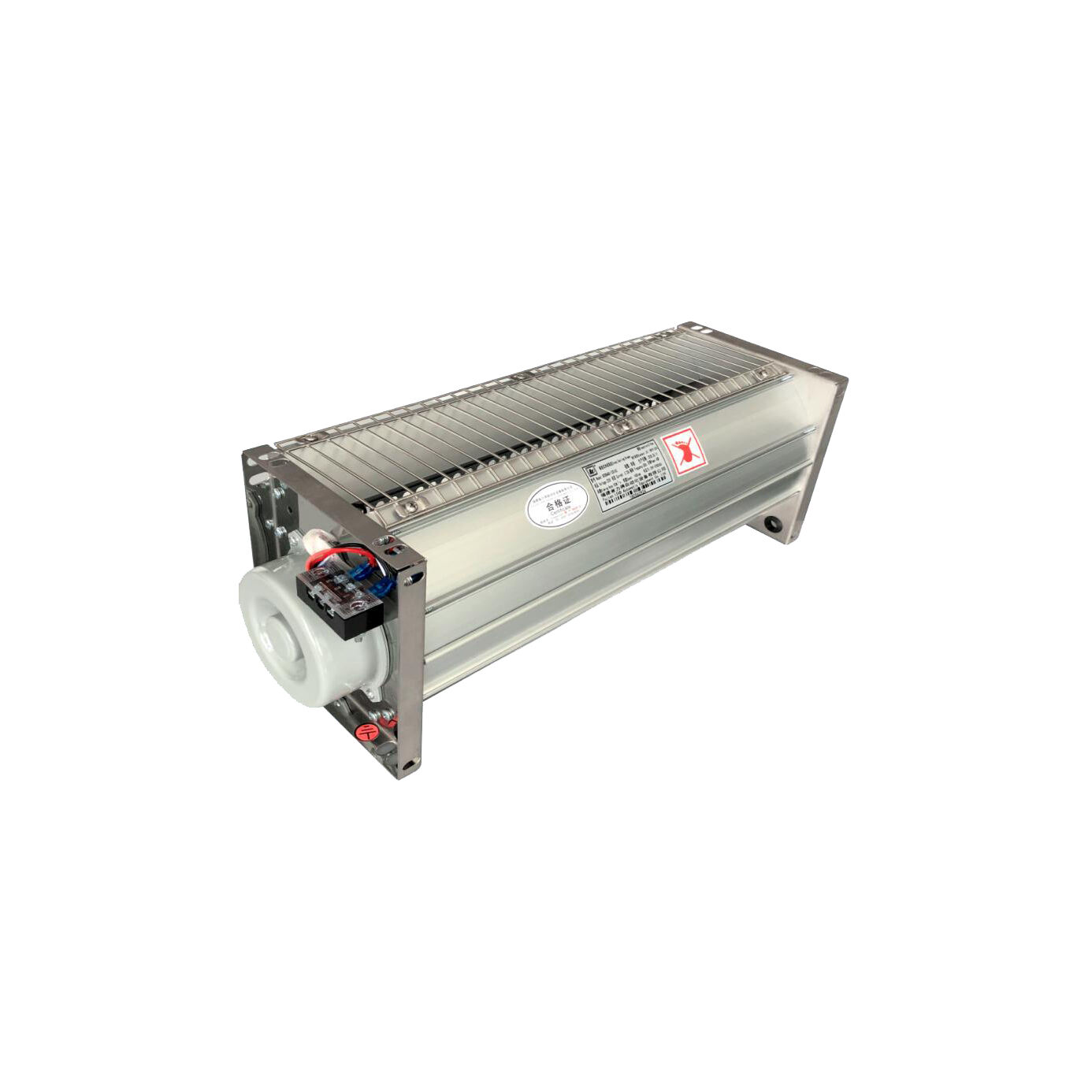
Industrial and commercial cooling systems rely heavily on efficient air circulation technology, with electrical fans serving as the backbone of temperature management across countless applications. From data centers to manufacturing facilities, the choice of cooling fan technology directly impacts energy consumption, operational costs, and system reliability. Understanding the fundamental differences between AC, DC, and EC fan technologies enables engineers and facility managers to make informed decisions that optimize both performance and efficiency. Modern cooling systems demand increasingly sophisticated solutions that balance power consumption with cooling capacity, noise levels, and maintenance requirements.
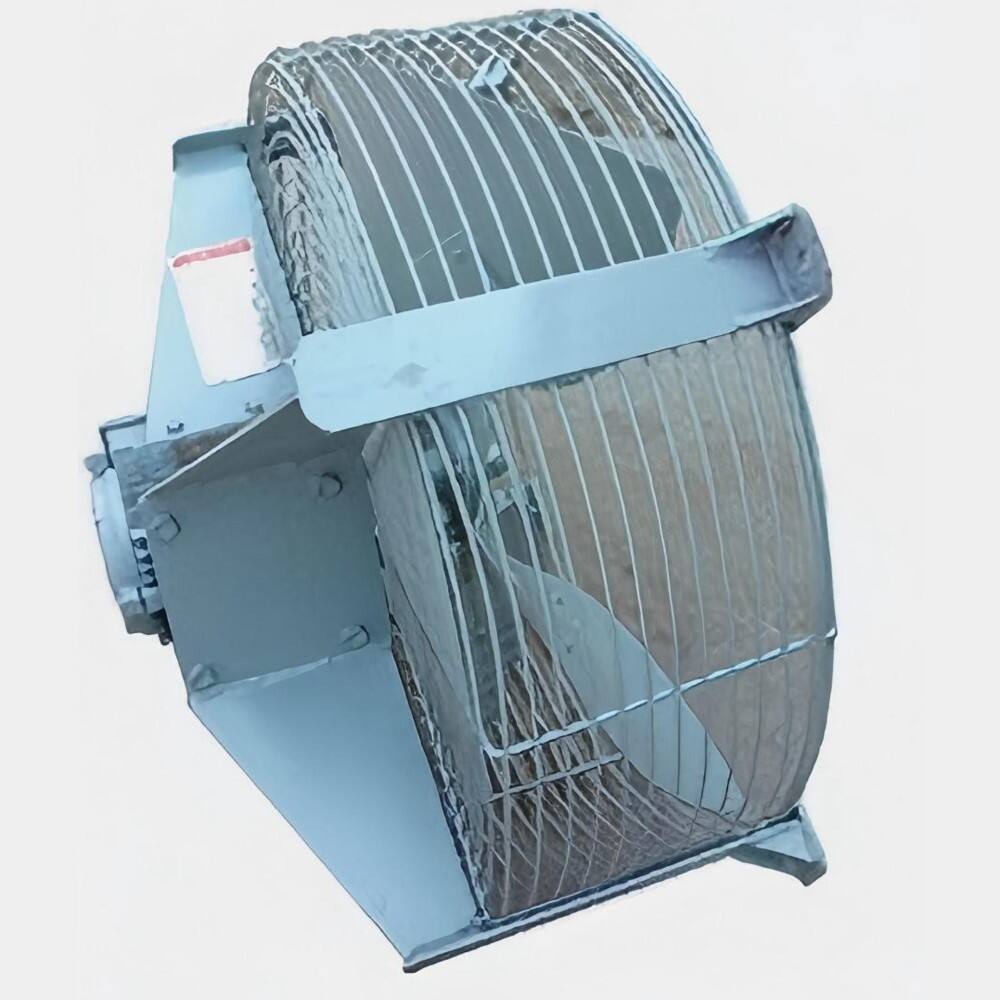
Understanding AC Cooling Fan Technology
Fundamental Operating Principles
Alternating Current cooling fans operate through electromagnetic induction, utilizing the changing polarity of AC power to create rotational motion in the motor. The stator windings generate a rotating magnetic field that interacts with the rotor, producing continuous rotation without the need for external commutation. This technology has dominated industrial applications for decades due to its robustness and relatively simple construction. AC fans typically operate at fixed speeds determined by the frequency of the power supply, making them reliable but less flexible in variable-load applications.
The construction of AC cooling fans involves fewer electronic components compared to their DC and EC counterparts, which contributes to their durability in harsh industrial environments. Standard AC fans can withstand temperature extremes, vibration, and electrical noise better than more complex electronic alternatives. However, this simplicity comes with trade-offs in energy efficiency and speed control capabilities. Most AC fans require external variable frequency drives or phase control systems to achieve speed modulation, adding complexity and cost to the overall system.
Performance Characteristics and Applications
AC cooling fans excel in applications requiring constant, high-volume airflow with minimal speed variation. Their performance curve typically shows excellent static pressure capabilities, making them ideal for systems with significant resistance such as dense heat exchangers or long ductwork runs. The torque characteristics of AC motors provide strong starting torque, enabling reliable operation even when facing initial resistance from static components or temporary obstructions.
Industrial applications commonly utilize AC cooling fans in large HVAC systems, cooling towers, and process ventilation where consistent performance outweighs energy efficiency considerations. The power factor of AC fans can be relatively low, especially at partial loads, but this limitation is often acceptable in applications where the cooling fan operates continuously at full capacity. Maintenance requirements are generally minimal, with bearing replacement being the primary service requirement over extended operational periods.
DC Cooling Fan Advantages and Applications
Electronic Control and Efficiency Benefits
Direct Current cooling fans incorporate electronic commutation systems that provide precise speed control and improved energy efficiency compared to traditional AC alternatives. The brushless DC motor design eliminates mechanical brushes, reducing friction losses and extending operational lifespan while enabling variable speed operation through pulse-width modulation or voltage control. This electronic control capability allows DC fans to automatically adjust their performance based on temperature sensors, system load, or user-defined parameters.
Energy efficiency represents a significant advantage of DC cooling fans, particularly in applications with varying load conditions. The ability to reduce speed during low-demand periods can result in substantial energy savings, as fan power consumption decreases exponentially with speed reduction. Additionally, DC fans typically operate at lower voltages than AC equivalents, enhancing safety in certain applications and reducing electromagnetic interference in sensitive electronic environments.
Integration and Control Flexibility
Modern DC cooling fans offer sophisticated control interfaces including PWM signals, analog voltage control, and digital communication protocols. This flexibility enables seamless integration with building management systems, industrial controllers, and automated cooling systems. The rapid response time of DC fan controllers allows for dynamic adjustment to changing conditions, improving overall system efficiency and temperature stability.
The compact electronic controllers integrated into DC cooling fans eliminate the need for external variable speed drives in many applications, reducing installation costs and complexity. However, the electronic components in DC fans can be more susceptible to voltage spikes, electromagnetic interference, and extreme temperatures compared to simple AC alternatives. Proper system design and protection measures are essential to maximize the reliability benefits of DC cooling fan technology.
Electronically Commutated Fan Innovation
Advanced Motor Technology
Electronically Commutated cooling fans represent the latest evolution in fan motor technology, combining the efficiency benefits of DC motors with the reliability characteristics of AC systems. EC motors utilize permanent magnet rotors with electronic switching, achieving efficiency levels that can exceed 90% while maintaining precise speed control across the entire operating range. The intelligent control systems in EC fans continuously optimize performance based on real-time operating conditions.
The permanent magnet design of EC cooling fans provides superior power density compared to both AC and conventional DC alternatives, enabling compact installations with high airflow capacity. Advanced magnetic materials and optimized rotor geometries contribute to reduced cogging torque and smoother operation, resulting in lower noise levels and improved acoustic comfort in occupied spaces. The electronic commutation system eliminates the wear associated with mechanical brushes while providing instant torque response for rapid speed changes.
Smart Control and Monitoring Capabilities
EC cooling fans incorporate sophisticated microprocessor-based controllers that enable advanced features such as automatic fault detection, predictive maintenance alerts, and performance optimization algorithms. These intelligent systems can monitor bearing condition, detect airflow blockages, and adjust operation to compensate for filter loading or heat exchanger fouling. The built-in diagnostics capabilities reduce maintenance costs and prevent unexpected system failures.
Communication capabilities in modern EC cooling fans support integration with IoT systems and cloud-based monitoring platforms, enabling remote diagnostics and performance analysis. The precise speed control and consistent torque characteristics of EC motors make them ideal for applications requiring variable airflow with tight temperature control. Energy consumption monitoring and reporting features help facility managers track cooling costs and optimize system operation for maximum efficiency.
Comparative Performance Analysis
Energy Efficiency and Operating Costs
Energy efficiency comparisons between AC, DC, and EC cooling fans reveal significant differences that impact long-term operating costs. Traditional AC fans typically achieve 50-70% efficiency, while quality DC fans can reach 75-85% efficiency under optimal conditions. EC cooling fans consistently deliver the highest efficiency ratings, often exceeding 90% across a wide speed range, making them the preferred choice for energy-conscious applications.
The variable speed capabilities of DC and EC cooling fans provide substantial energy savings in applications with fluctuating cooling demands. Since fan power consumption follows the cube law relationship with speed, reducing fan speed by 20% results in approximately 50% reduction in power consumption. This characteristic makes variable speed cooling fan technology particularly valuable in applications such as data center cooling, where thermal loads vary significantly throughout the day.
Maintenance and Reliability Considerations
Maintenance requirements vary significantly among the three cooling fan technologies, with AC fans generally requiring the least frequent service but potentially higher costs when major repairs are needed. The mechanical simplicity of AC fans results in predictable wear patterns, primarily involving bearing replacement and occasional motor rewinding. However, the fixed-speed operation of AC fans may lead to energy waste and unnecessary wear in variable-load applications.
DC and EC cooling fans require more sophisticated maintenance approaches due to their electronic components, but modern designs have significantly improved reliability through advanced protection circuits and robust construction. The diagnostic capabilities of EC fans enable condition-based maintenance strategies that can extend component life and reduce unplanned downtime. While initial costs for EC cooling fans are typically higher, the combination of energy savings and reduced maintenance requirements often results in superior total cost of ownership over the equipment lifecycle.
Application-Specific Selection Criteria
Industrial and Commercial Applications
Selecting the appropriate cooling fan technology depends heavily on specific application requirements, including airflow demands, energy costs, environmental conditions, and control system integration needs. Heavy industrial applications with constant cooling loads and harsh operating environments often favor AC cooling fans for their proven reliability and low maintenance requirements. The robust construction of AC fans enables operation in dusty, humid, or chemically aggressive environments where electronic components might be compromised.
Commercial and institutional buildings benefit significantly from the energy efficiency and control flexibility of EC cooling fans, particularly in HVAC applications where occupancy and thermal loads vary throughout the day. The quiet operation and precise speed control of EC technology make it ideal for occupied spaces where acoustic comfort is important. Data centers and telecommunications facilities typically employ DC or EC cooling fans to take advantage of low-voltage operation and sophisticated monitoring capabilities.
Environmental and Installation Factors
Environmental conditions play a crucial role in cooling fan selection, as extreme temperatures, humidity, and contaminants can significantly impact performance and reliability. AC cooling fans generally tolerate harsh conditions better than electronic alternatives, but modern EC fans incorporate protective features such as conformal coating and sealed electronics that enable operation in challenging environments. Altitude, atmospheric pressure, and air density variations affect all fan types but may require specific compensation in electronically controlled systems.
Installation considerations include available power supply types, control system compatibility, and space constraints. AC cooling fans require simple connections but may need external speed control devices, while DC and EC fans integrate control electronics but may require specific power supply configurations. The installation orientation and mounting methods can affect bearing life and overall reliability, making proper mechanical design crucial for optimal performance across all cooling fan technologies.
FAQ
What factors determine the most cost-effective cooling fan choice for industrial applications
The most cost-effective cooling fan selection depends on total cost of ownership analysis including initial purchase price, energy consumption, maintenance requirements, and expected operational life. For continuous-duty applications with stable loads, AC fans often provide the lowest total cost despite higher energy consumption. Variable-load applications typically benefit from EC fan technology due to significant energy savings that offset higher initial costs. Consider local energy rates, maintenance labor costs, and system integration requirements when evaluating long-term economics.
How do environmental conditions affect the reliability of different cooling fan technologies
Environmental factors such as temperature extremes, humidity, dust, and chemical exposure significantly impact cooling fan reliability. AC fans generally demonstrate superior tolerance to harsh conditions due to simpler construction with fewer sensitive components. EC fans require environmental protection measures in extreme conditions but offer diagnostic capabilities that can predict failures before they occur. Proper enclosure design, filtration, and protective coatings enable all fan technologies to operate reliably in challenging environments when appropriately specified.
Can existing AC cooling fan systems be upgraded to EC technology without major infrastructure changes
Upgrading from AC to EC cooling fans typically requires evaluation of existing power supply, control systems, and mounting arrangements. Many EC fans can retrofit into existing installations with minimal modifications, but may require different power supply voltages or control signal interfaces. The energy savings and improved control capabilities of EC technology often justify upgrade costs, particularly in applications with high operating hours or variable cooling demands. Professional evaluation ensures compatibility and optimal performance in retrofit applications.
What maintenance practices maximize the operational life of different cooling fan types
Effective maintenance strategies vary by cooling fan technology but commonly include bearing lubrication, alignment verification, and cleanliness maintenance. AC fans benefit from periodic electrical testing and bearing replacement based on operating hours or condition monitoring. DC and EC fans require attention to electronic components, proper voltage supply quality, and diagnostic system monitoring. Regular inspection of mounting hardware, vibration analysis, and thermal monitoring help identify potential issues before they result in failure across all cooling fan technologies.
Table of Contents
- Understanding AC Cooling Fan Technology
- DC Cooling Fan Advantages and Applications
- Electronically Commutated Fan Innovation
- Comparative Performance Analysis
- Application-Specific Selection Criteria
-
FAQ
- What factors determine the most cost-effective cooling fan choice for industrial applications
- How do environmental conditions affect the reliability of different cooling fan technologies
- Can existing AC cooling fan systems be upgraded to EC technology without major infrastructure changes
- What maintenance practices maximize the operational life of different cooling fan types