 EN
EN
Power infrastructure in industrial environments faces unprecedented challenges when it comes to maintaining optimal operating conditions. Oil-immersed transformers, which form the backbone of electrical distribution systems worldwide, require sophisticated monitoring solutions to ensure safe and efficient operation. The implementation of an oil-immersed transformer optical fiber temperature controller has become essential for facilities operating in extreme conditions where traditional monitoring methods fall short. These advanced systems provide real-time temperature monitoring capabilities that can prevent catastrophic failures and extend equipment lifespan significantly.
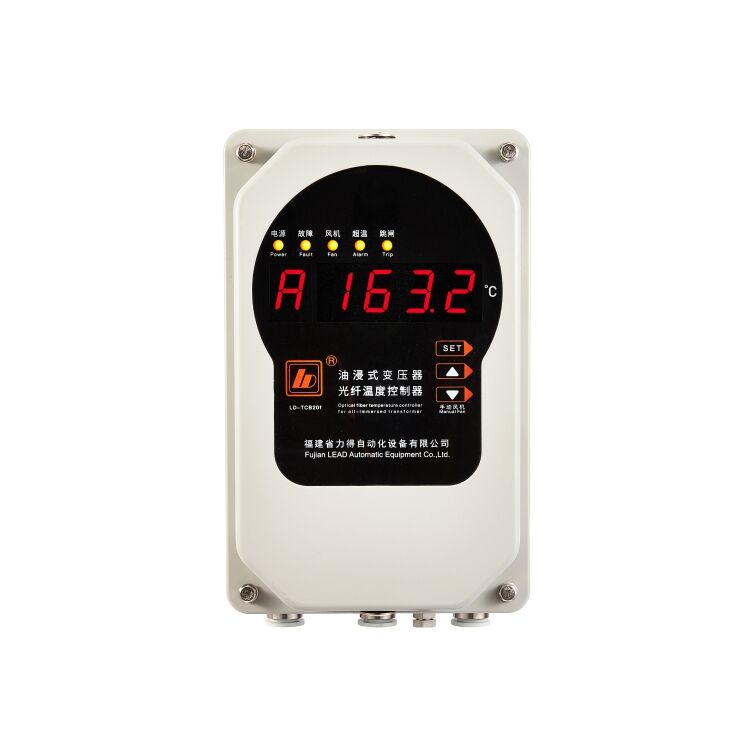
Modern power systems demand reliability that goes beyond conventional expectations, particularly in mission-critical applications. The integration of optical fiber technology into temperature monitoring systems represents a paradigm shift in how industrial facilities approach transformer protection. Unlike traditional thermal monitoring methods, optical fiber solutions offer immunity to electromagnetic interference, making them ideal for high-voltage environments where accurate temperature readings are paramount.
Advanced Optical Fiber Technology in Transformer Monitoring
Electromagnetic Immunity Advantages
The fundamental advantage of using an oil-immersed transformer optical fiber temperature controller lies in its complete immunity to electromagnetic fields. Traditional copper-based sensors can provide inaccurate readings when exposed to the strong electromagnetic fields present around high-voltage transformers. Optical fiber sensors eliminate this concern entirely, as they transmit information using light signals rather than electrical current.
This electromagnetic immunity ensures consistent and reliable temperature measurements even in the most challenging electrical environments. The optical fiber technology maintains measurement accuracy regardless of the transformer's operating load or switching operations that might affect nearby electrical sensors. Industrial facilities operating multiple transformers in close proximity particularly benefit from this technology, as cross-interference between monitoring systems becomes a non-issue.
Furthermore, the dielectric properties of optical fiber sensors make them inherently safe for use in oil-filled environments. Unlike metal-based sensors that could potentially create spark risks, optical fiber temperature controllers pose no electrical hazard when properly installed and maintained according to manufacturer specifications.
Real-time Monitoring Capabilities
Contemporary oil-immersed transformer optical fiber temperature controller systems provide continuous monitoring with response times measured in milliseconds. This rapid response capability enables immediate detection of temperature anomalies that could indicate developing problems within the transformer. The high-speed data acquisition allows facility operators to implement corrective measures before minor issues escalate into major equipment failures.
The precision offered by optical fiber temperature monitoring extends beyond simple hot-spot detection. Advanced systems can track temperature gradients across different areas of the transformer, providing comprehensive thermal mapping that helps identify potential problem areas before they become critical. This granular monitoring capability proves invaluable for predictive maintenance programs and extends overall equipment reliability.
Integration with modern supervisory control and data acquisition systems allows for automated alarm generation and remote monitoring capabilities. Plant operators can receive instant notifications when temperature thresholds are exceeded, enabling rapid response even when personnel are not physically present at the transformer location.
Environmental Resilience and Durability
Harsh Environment Performance
Industrial environments often subject equipment to extreme conditions that can compromise the performance of conventional monitoring systems. An oil-immersed transformer optical fiber temperature controller demonstrates exceptional resilience in harsh environments, including extreme temperatures, high humidity, corrosive atmospheres, and mechanical vibration. The robust construction of optical fiber sensors ensures reliable operation across a wide temperature range, typically from negative forty to positive eighty degrees Celsius.
Chemical resistance represents another critical advantage in industrial applications. Manufacturing facilities, petrochemical plants, and other industrial environments often contain airborne contaminants that can degrade traditional sensor materials over time. Optical fiber sensors maintain their performance characteristics when exposed to most industrial chemicals, acids, and alkaline substances that might be present in the operating environment.
Mechanical durability ensures that the oil-immersed transformer optical fiber temperature controller continues operating reliably despite vibrations from nearby machinery, thermal cycling, and other mechanical stresses common in industrial settings. The flexible nature of optical fiber cables allows for installation in challenging locations while maintaining signal integrity over extended periods.
Long-term Stability and Maintenance
The inherent stability of optical fiber technology translates to reduced maintenance requirements compared to traditional temperature monitoring systems. Optical fiber sensors do not drift over time like some electronic sensors, maintaining calibration accuracy throughout their operational lifespan. This stability reduces the need for frequent recalibration and associated downtime for maintenance activities.
Maintenance procedures for optical fiber temperature controllers typically involve periodic cleaning of fiber optic connectors and verification of alarm setpoints. The absence of moving parts or electronic components in the sensor portion eliminates many common failure modes associated with conventional monitoring equipment. This simplicity contributes to overall system reliability and reduces lifecycle maintenance costs.
Documentation and trending capabilities built into modern systems facilitate proactive maintenance scheduling. Historical temperature data helps maintenance personnel identify gradual changes in transformer thermal behavior that might indicate developing issues with cooling systems, insulation degradation, or other concerns requiring attention.
Installation and Integration Considerations
System Configuration Options
Proper installation of an oil-immersed transformer optical fiber temperature controller requires careful consideration of sensor placement and system configuration. Multiple sensors can be strategically positioned throughout the transformer to monitor critical areas including winding hot spots, top oil temperature, and cooling system components. The modular design of modern systems allows for scalable configurations that can accommodate transformers of various sizes and designs.
Sensor positioning plays a crucial role in system effectiveness. Hot spot monitoring typically requires sensors to be installed near the transformer windings where maximum temperatures are likely to occur. Top oil sensors provide overall thermal status information, while additional sensors on cooling equipment help ensure proper heat dissipation system operation.
Communication interfaces allow the oil-immersed transformer optical fiber temperature controller to integrate seamlessly with existing plant automation systems. Standard protocols ensure compatibility with supervisory control systems, allowing temperature data to be incorporated into broader facility monitoring and control strategies.
Calibration and Commissioning
Commissioning procedures for optical fiber temperature monitoring systems involve verification of sensor accuracy, alarm setpoint configuration, and communication system testing. Factory calibration of optical fiber sensors ensures accuracy from initial installation, while field verification procedures confirm proper system operation under actual operating conditions.
Alarm configuration represents a critical aspect of system commissioning. Temperature thresholds must be established based on transformer specifications, operating conditions, and safety requirements. Multiple alarm levels typically include early warning alerts and critical temperature alarms that trigger protective actions such as load reduction or equipment shutdown.
Documentation requirements include sensor locations, calibration certificates, alarm setpoints, and communication parameters. Proper documentation facilitates future maintenance activities and ensures that replacement personnel can effectively operate and maintain the monitoring system throughout its service life.
Economic Benefits and Return on Investment
Equipment Protection and Longevity
Investment in an oil-immersed transformer optical fiber temperature controller provides substantial economic benefits through enhanced equipment protection and extended operational life. Early detection of thermal anomalies prevents damage that could result in costly repairs or complete transformer replacement. The cost of a temperature monitoring system represents a fraction of transformer replacement costs, making it an economically attractive protective investment.
Extended equipment life results from operating transformers within optimal temperature ranges. Excessive temperatures accelerate insulation aging and reduce transformer lifespan, while optimal thermal management can extend service life by decades. The economic value of extended equipment life often justifies the temperature monitoring system investment within the first few years of operation.
Reduced insurance premiums may be available for facilities that implement comprehensive transformer monitoring systems. Insurance providers recognize the reduced risk associated with advanced monitoring technologies, potentially offering premium reductions that contribute to overall system cost-effectiveness.
Operational Efficiency and Downtime Prevention
Operational efficiency improvements result from optimized transformer loading based on real-time thermal information. Operators can safely increase transformer loading when temperature conditions permit, maximizing equipment utilization while maintaining safe operating margins. This optimization capability increases facility throughput without requiring additional transformer capacity.
Preventive maintenance scheduling based on thermal trending data reduces unplanned downtime and associated production losses. The oil-immersed transformer optical fiber temperature controller provides data that enables condition-based maintenance rather than time-based schedules, optimizing maintenance timing and reducing unnecessary service interruptions.
Emergency response capabilities improve significantly with real-time temperature monitoring. Rapid detection of thermal anomalies allows operators to implement corrective actions before equipment damage occurs, preventing costly emergency repairs and extended outages that could affect production schedules and customer commitments.
Technology Specifications and Performance Parameters
Measurement Accuracy and Range
Modern oil-immersed transformer optical fiber temperature controller systems provide exceptional measurement accuracy, typically within plus or minus one degree Celsius across their entire operating range. This precision enables reliable detection of small temperature changes that might indicate developing problems within the transformer. The wide measurement range accommodates various transformer designs and operating conditions encountered in different applications.
Resolution capabilities of optical fiber temperature sensors allow detection of temperature changes as small as 0.1 degrees Celsius. This sensitivity proves valuable for trending analysis and early problem detection, enabling maintenance personnel to identify gradual changes that might precede equipment failures. High resolution also supports precise control of cooling systems and load management strategies.
Response time characteristics ensure rapid detection of temperature changes, with typical systems providing updated readings every few seconds. Fast response times enable immediate alarm generation when temperature limits are exceeded, allowing for quick implementation of protective actions to prevent equipment damage.
Communication and Interface Capabilities
Communication protocols supported by contemporary systems include industry-standard interfaces such as Modbus, Ethernet, and serial communications. These standardized interfaces ensure compatibility with existing plant control systems and facilitate integration into broader facility automation strategies. Multiple communication options provide flexibility for different installation requirements and system architectures.
Data logging capabilities allow the oil-immersed transformer optical fiber temperature controller to maintain historical records of temperature trends and alarm events. This stored information supports maintenance planning, regulatory compliance, and performance analysis activities. Configurable logging intervals and data retention periods accommodate different operational requirements and storage constraints.
Remote access capabilities enable off-site monitoring and system management through secure internet connections. This functionality allows specialized maintenance personnel to monitor transformer conditions and provide expert analysis without requiring physical presence at the installation site, reducing travel costs and response times for technical support.
FAQ
What are the main advantages of optical fiber temperature monitoring over traditional methods
Optical fiber temperature monitoring offers several key advantages including complete electromagnetic immunity, higher accuracy, faster response times, and greater durability in harsh environments. Unlike traditional electrical sensors, optical fiber systems are not affected by electromagnetic fields present around transformers, ensuring consistent and reliable measurements. The technology also provides superior chemical resistance and requires minimal maintenance compared to conventional monitoring solutions.
How does installation of an optical fiber temperature controller affect transformer operations
Installation of an oil-immersed transformer optical fiber temperature controller typically requires minimal disruption to transformer operations. Most installations can be completed during scheduled maintenance outages using standard procedures. Once installed, the system operates continuously without affecting transformer performance, providing enhanced protection and monitoring capabilities that actually improve operational reliability and safety margins.
What maintenance is required for optical fiber temperature monitoring systems
Maintenance requirements for optical fiber temperature monitoring systems are minimal compared to traditional monitoring equipment. Regular tasks include periodic cleaning of fiber optic connectors, verification of alarm setpoints, and review of historical data trends. The absence of electronic components in the sensor portion eliminates many common failure modes, resulting in high reliability and low maintenance costs throughout the system lifecycle.
Can optical fiber temperature controllers integrate with existing plant control systems
Yes, modern oil-immersed transformer optical fiber temperature controller systems are designed for seamless integration with existing plant control and monitoring systems. Standard communication protocols ensure compatibility with supervisory control and data acquisition systems, allowing temperature data to be incorporated into broader facility automation strategies. This integration enables centralized monitoring and automated response capabilities that enhance overall plant operational efficiency.
Table of Contents
- Advanced Optical Fiber Technology in Transformer Monitoring
- Environmental Resilience and Durability
- Installation and Integration Considerations
- Economic Benefits and Return on Investment
- Technology Specifications and Performance Parameters
-
FAQ
- What are the main advantages of optical fiber temperature monitoring over traditional methods
- How does installation of an optical fiber temperature controller affect transformer operations
- What maintenance is required for optical fiber temperature monitoring systems
- Can optical fiber temperature controllers integrate with existing plant control systems