
 EN
EN
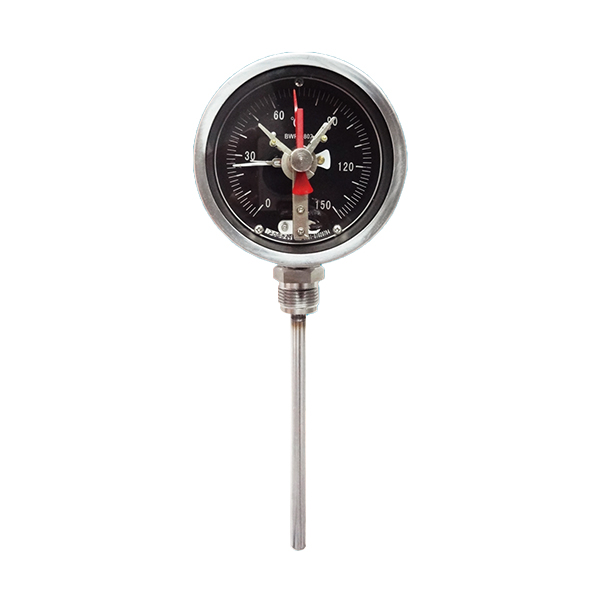
Power transformers are critical components in electrical distribution systems, and their protection from overload conditions requires sophisticated monitoring equipment. Among the essential protective devices, the oil surface thermostat plays a vital role in preventing catastrophic failures by continuously monitoring oil temperature in transformer tanks. This specialized instrument provides early warning signals when transformer temperatures exceed safe operating limits, enabling operators to take corrective action before damage occurs. Understanding the function and importance of oil surface thermostats is crucial for maintaining reliable power distribution and protecting valuable transformer assets from thermal damage.
Understanding Transformer Overload Protection Fundamentals
Heat Generation in Power Transformers
Power transformers generate heat during normal operation due to core losses, copper losses in windings, and load current flow. When transformers operate under overload conditions, heat generation increases exponentially, raising internal temperatures beyond design limits. The transformer oil serves as both an insulating medium and cooling agent, absorbing heat from windings and core components. As load increases, oil temperature rises proportionally, making temperature monitoring essential for safe operation. The oil surface thermostat provides critical temperature data that allows operators to assess transformer loading conditions and prevent thermal damage.
Excessive heat can cause insulation degradation, reduced dielectric strength, and accelerated aging of transformer components. Modern transformers incorporate multiple temperature monitoring points, with the oil surface thermostat serving as a primary indicator of overall thermal conditions. By monitoring oil temperature at the surface level, operators can detect temperature trends and implement load reduction strategies before reaching critical thermal limits. This proactive approach extends transformer life and prevents costly failures that could disrupt power supply to customers.
Temperature Rise Characteristics
Transformer temperature rise follows predictable patterns based on loading conditions, ambient temperature, and cooling system effectiveness. The oil surface thermostat measures temperature at the top of the transformer tank, where heated oil naturally rises due to convection currents. This measurement point provides representative data for the hottest oil in the transformer, making it an ideal location for overload protection monitoring. Temperature rise calculations consider both load current and environmental factors to determine safe operating boundaries.
Industry standards specify maximum allowable temperature rise values for different transformer types and insulation classes. The oil surface thermostat enables continuous comparison of actual temperatures against these limits, triggering alarms when predetermined thresholds are exceeded. Advanced units can provide multiple alarm levels, allowing graduated responses to increasing temperature conditions. This capability enables operators to implement progressive load reduction strategies rather than emergency shutdowns that could affect system reliability.
Oil Surface Thermostat Design and Operation
Sensing Element Technology
The oil surface thermostat incorporates precision temperature sensing elements designed to operate reliably in transformer oil environments. Resistance temperature detectors and thermocouples are commonly used sensing technologies, each offering specific advantages for transformer applications. These sensors must withstand continuous exposure to transformer oil, electromagnetic fields, and mechanical vibrations while maintaining measurement accuracy over extended periods. The sensing element design directly impacts the reliability and accuracy of temperature measurements provided by the oil surface thermostat.
Modern sensing elements feature robust construction with corrosion-resistant materials and sealed housings to prevent oil contamination. The response time of the sensing element affects the ability to detect rapid temperature changes during sudden load increases or cooling system failures. Fast-response sensors enable quicker protection responses, while slower sensors provide more stable readings with reduced sensitivity to transient conditions. The choice of sensing technology depends on specific application requirements and protection philosophy.
Signal Processing and Display
The oil surface thermostat processes temperature signals through electronic circuits that convert sensor outputs into readable temperature values and alarm signals. Digital processing capabilities enable advanced features such as temperature trending, peak value recording, and communication interfaces for remote monitoring systems. Local displays provide immediate temperature readings for field personnel, while analog and digital outputs enable integration with control room monitoring systems. Signal processing accuracy directly affects the reliability of overload protection functions.
Communication capabilities allow the oil surface thermostat to transmit temperature data to supervisory control and data acquisition systems for centralized monitoring. This connectivity enables operators to monitor multiple transformers from a central location and implement coordinated protection strategies across the electrical network. Data logging functions preserve historical temperature information for trend analysis and maintenance planning purposes.
Installation and Configuration Requirements
Mounting Location Considerations
Proper installation of the oil surface thermostat requires careful consideration of mounting location to ensure accurate temperature measurement and reliable operation. The sensing element must be positioned at the oil surface level in the transformer tank, typically in the conservator or main tank depending on transformer design. Installation guidelines specify minimum distances from tank walls, cooling equipment, and other heat sources that could influence temperature readings. The oil surface thermostat mounting arrangement must accommodate oil level variations while maintaining sensor contact with the oil surface.
Environmental factors such as ambient temperature, solar radiation, and weather exposure can affect oil surface thermostat performance if not properly addressed during installation. Protective enclosures shield electronic components from moisture, dust, and electromagnetic interference while allowing access for maintenance activities. Proper grounding and surge protection prevent damage from electrical transients and lightning strikes that could compromise protection system reliability. Installation documentation should specify all mounting requirements and environmental considerations for optimal performance.
Calibration and Testing Procedures
Accurate calibration of the oil surface thermostat ensures reliable temperature measurement and proper alarm operation under all operating conditions. Calibration procedures verify sensor accuracy across the full temperature range using traceable reference standards and documented test methods. Regular calibration intervals maintain measurement accuracy over time, accounting for sensor drift and environmental effects. The calibration process must consider both accuracy requirements and practical limitations of field testing equipment.
Functional testing verifies alarm operation, communication interfaces, and display accuracy under simulated temperature conditions. Test procedures should validate all protection functions including alarm setpoints, time delays, and output contacts that interface with transformer control systems. Documentation of test results provides verification of proper oil surface thermostat operation and compliance with protection system requirements. Periodic testing schedules ensure continued reliability throughout the service life of the equipment.
Integration with Transformer Protection Systems
Alarm and Trip Functions
The oil surface thermostat integrates with transformer protection systems through alarm and trip contact outputs that initiate protective actions when temperature limits are exceeded. Multiple alarm levels enable graduated responses, starting with operator warnings at moderate temperature elevations and progressing to automatic load reduction or transformer disconnection at critical temperatures. Contact ratings must be compatible with control circuit requirements and provide reliable switching under all operating conditions. The oil surface thermostat protection logic coordinates with other protective devices to ensure proper system response to overload conditions.
Time delay functions prevent nuisance tripping from transient temperature spikes while ensuring rapid response to sustained overload conditions. Adjustable time delays allow customization of protection characteristics to match specific transformer thermal properties and system operating requirements. The oil surface thermostat must coordinate with other temperature monitoring devices such as winding temperature indicators to provide comprehensive thermal protection coverage. Protection system design considers both individual device capabilities and overall system coordination requirements.
Communication and Monitoring Interfaces
Modern oil surface thermostat units provide communication interfaces that enable integration with digital control systems and remote monitoring platforms. Protocol compatibility ensures seamless data exchange with existing infrastructure while providing flexibility for future system upgrades. Real-time temperature data transmission enables continuous monitoring and trend analysis that supports proactive maintenance strategies. Communication redundancy options provide backup data paths that maintain monitoring capability even if primary communication links fail.
Data logging capabilities within the oil surface thermostat preserve historical temperature information for analysis and reporting purposes. Stored data supports load studies, maintenance planning, and regulatory compliance requirements. Advanced units may provide web-based interfaces that allow remote access to temperature data and configuration parameters through standard internet browsers. These capabilities reduce the need for site visits while improving operational efficiency and system reliability.
Maintenance and Troubleshooting Guidelines
Preventive Maintenance Practices
Regular maintenance of the oil surface thermostat ensures continued accuracy and reliability throughout its service life. Inspection schedules should include visual examination of sensor housing, cable connections, and display units for signs of corrosion, mechanical damage, or oil contamination. Cleaning procedures maintain sensor performance by removing oil residue and environmental contaminants that could affect temperature measurement accuracy. The oil surface thermostat maintenance program should coordinate with overall transformer maintenance activities to minimize system downtime.
Periodic verification of alarm setpoints and calibration accuracy prevents protection system degradation that could compromise transformer safety. Maintenance records document all inspection results, calibration data, and corrective actions taken to maintain system reliability. Spare parts inventory should include critical components such as sensors, electronic modules, and cable assemblies that may require replacement during the equipment lifecycle. Proactive maintenance approaches identify potential issues before they affect protection system operation.
Common Troubleshooting Issues
Troubleshooting procedures for the oil surface thermostat address common problems such as erratic readings, alarm malfunctions, and communication failures. Sensor contamination from transformer oil oxidation products can cause measurement errors that require cleaning or sensor replacement. Cable insulation degradation may result in ground faults or signal interference that affects temperature accuracy. The oil surface thermostat troubleshooting guide should provide systematic diagnostic procedures for isolating and correcting various failure modes.
Environmental factors such as moisture ingress, temperature cycling, and electromagnetic interference can cause intermittent problems that are difficult to diagnose. Troubleshooting procedures must consider these environmental influences when evaluating system performance. Documentation of troubleshooting activities provides valuable information for improving maintenance procedures and identifying recurring problems. Training programs ensure maintenance personnel have the knowledge and skills needed to diagnose and repair oil surface thermostat systems effectively.
FAQ
What is the typical accuracy range for an oil surface thermostat
Most oil surface thermostat units provide temperature measurement accuracy within ±2°C to ±5°C depending on the sensor technology and calibration quality. High-precision units designed for critical applications may achieve ±1°C accuracy or better. The accuracy specification should account for environmental conditions, sensor aging, and calibration intervals to ensure reliable protection system operation throughout the service life.
How often should oil surface thermostat calibration be performed
Industry standards typically recommend calibration intervals of 12 to 24 months for oil surface thermostat units, depending on criticality and environmental conditions. More frequent calibration may be required in harsh environments or for critical applications where temperature accuracy is essential for safe operation. Calibration schedules should consider manufacturer recommendations, regulatory requirements, and operational experience with similar equipment.
Can multiple oil surface thermostats be installed on a single transformer
Yes, multiple oil surface thermostat units can be installed on large transformers to provide redundant temperature monitoring and improved protection coverage. Different mounting locations may be used to monitor various sections of the transformer or provide backup protection in case of primary sensor failure. The protection system design must coordinate multiple temperature inputs to prevent conflicting alarm conditions while ensuring comprehensive thermal monitoring coverage.
What maintenance is required for oil surface thermostat sensors
Regular maintenance includes visual inspection for oil contamination, corrosion, or mechanical damage, along with cleaning of sensor surfaces to maintain measurement accuracy. Electrical connections should be checked for tightness and corrosion, while calibration verification ensures continued accuracy. Sensor replacement may be required if contamination cannot be cleaned or if calibration cannot be restored within acceptable limits. Maintenance schedules should follow manufacturer recommendations and consider operating environment conditions.