 EN
EN
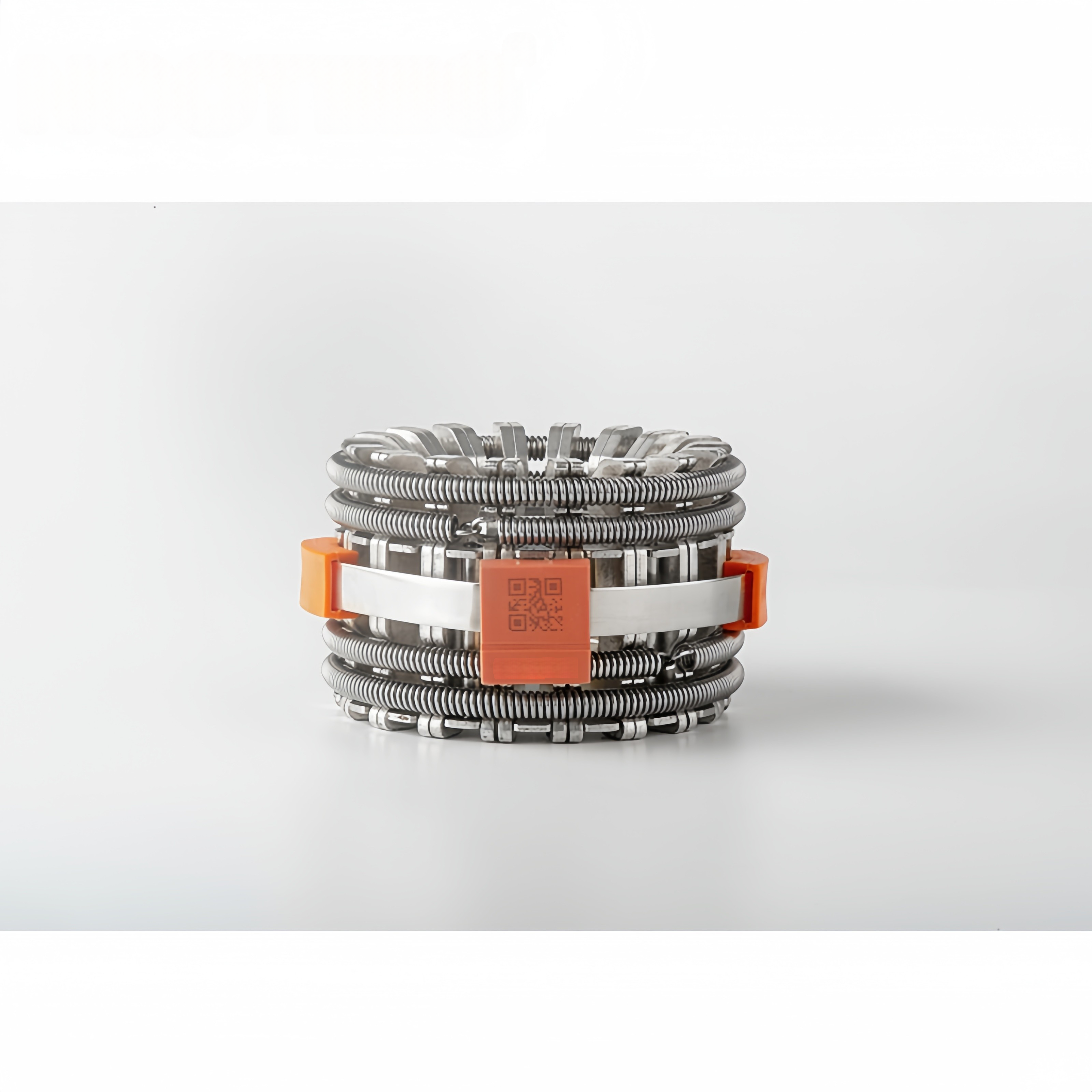
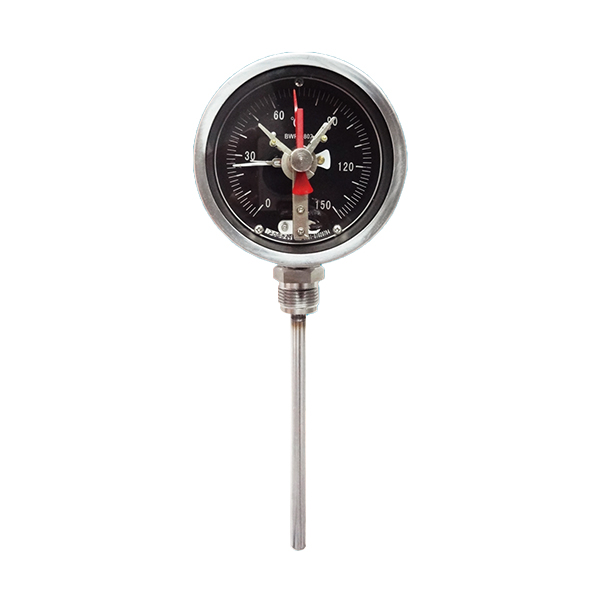
Power transformers represent critical infrastructure components in electrical distribution systems, with temperature monitoring playing an essential role in ensuring operational reliability and longevity. The oil-immersed transformer winding thermostat serves as a crucial monitoring device that continuously tracks winding temperatures, providing operators with vital data to prevent overheating and potential equipment failure. Understanding the key selection parameters for these thermostats becomes paramount for electrical engineers and facility managers responsible for maintaining optimal transformer performance across industrial applications.
Temperature Range and Accuracy Requirements
Operating Temperature Specifications
The operational temperature range represents the fundamental specification when selecting an oil-immersed transformer winding thermostat. Most industrial transformers operate within temperature ranges spanning from -40°C to +150°C, though specific applications may require extended ranges. The thermostat must demonstrate consistent accuracy across this entire spectrum, typically maintaining precision within ±1°C to ±3°C depending on the application criticality. Higher precision requirements often necessitate more sophisticated sensor technologies and calibration procedures.
Temperature measurement accuracy directly impacts the effectiveness of protective systems and load management strategies. An oil-immersed transformer winding thermostat with superior accuracy enables operators to maximize transformer loading while maintaining safe operating margins. This precision becomes particularly important in applications where transformers operate near their thermal limits or in environments with significant ambient temperature variations.
Response Time Characteristics
Response time defines how quickly the oil-immersed transformer winding thermostat detects and reports temperature changes within the transformer winding. Fast response times, typically ranging from seconds to minutes, enable rapid detection of abnormal temperature rises that could indicate developing fault conditions. The thermal time constant of the sensor element must align with the transformer's thermal characteristics to provide meaningful protection.
Different applications require varying response time specifications based on the transformer size, loading patterns, and protection philosophy. Large power transformers may accept longer response times due to their inherent thermal inertia, while smaller distribution transformers might require more responsive monitoring. The selection process must balance response speed with measurement stability to avoid false alarms while ensuring adequate protection sensitivity.
Electrical Interface and Communication Protocols
Signal Output Options
Modern oil-immersed transformer winding thermostat units offer various signal output options to accommodate different control and monitoring systems. Analog outputs, typically 4-20mA or 0-10V signals, provide continuous temperature information that can be easily integrated into existing SCADA systems or process control networks. These analog signals enable trending analysis and gradual load adjustment based on temperature conditions.
Digital communication interfaces have become increasingly important as utility and industrial facilities migrate toward smart grid technologies. Protocols such as Modbus RTU, DNP3, or IEC 61850 enable sophisticated data exchange between the thermostat and central monitoring systems. The selection of communication protocol must consider existing infrastructure compatibility and future expansion requirements.
Power Supply Considerations
Power supply requirements for oil-immersed transformer winding thermostat installations vary significantly based on the monitoring system complexity and communication requirements. Basic thermostats may operate on standard AC voltage supplies ranging from 110V to 240V, while more advanced units might require DC power sources or support multiple voltage options. Battery backup capability becomes essential in applications where continuous monitoring must persist during power outages.
The power consumption characteristics of the thermostat affect both operating costs and system design requirements. Low-power designs reduce heat generation within the transformer enclosure and minimize the burden on auxiliary power systems. Some installations benefit from loop-powered devices that derive their operating power from the measurement signal itself, simplifying installation and reducing wiring requirements.
Environmental and Mechanical Specifications
Ingress Protection and Sealing
Environmental protection ratings determine the suitability of an oil-immersed transformer winding thermostat for specific installation conditions. IP ratings, typically ranging from IP54 to IP68, define the device's resistance to dust and moisture ingress. Outdoor transformer installations require higher protection levels to withstand weather exposure, while indoor applications may accept lower ratings with corresponding cost savings.
The sealing integrity becomes particularly critical in oil-immersed applications where the sensor must maintain isolation between the oil environment and external electrical connections. Proper sealing prevents oil leakage while ensuring long-term measurement accuracy. Material compatibility with transformer oil and other chemical substances present in the installation environment requires careful evaluation during the selection process.
Vibration and Shock Resistance
Transformer installations often subject monitoring equipment to mechanical stresses from electromagnetic forces, cooling system vibrations, and external disturbances. The oil-immersed transformer winding thermostat must demonstrate adequate resistance to these mechanical influences while maintaining measurement accuracy. Vibration specifications typically address both continuous operational vibration and shock events that might occur during transportation or seismic activity.
Mounting arrangements and mechanical design features significantly influence the thermostat's ability to withstand operational stresses. Robust construction materials, secure mounting systems, and appropriate damping mechanisms contribute to long-term reliability in challenging environments. The selection process should consider both the immediate installation conditions and potential future modifications that might affect mechanical loading.
Calibration and Maintenance Requirements
Calibration Procedures and Intervals
Calibration requirements for oil-immersed transformer winding thermostat systems depend on the application criticality and regulatory requirements. Many installations require periodic calibration verification to ensure continued measurement accuracy, with intervals ranging from annual to several years based on the device stability and application demands. Field-calibratable devices offer significant advantages by reducing maintenance costs and system downtime.
The calibration process must account for the complete measurement chain, including sensor elements, signal conditioning electronics, and communication interfaces. Some advanced oil-immersed transformer winding thermostat units incorporate self-diagnostic capabilities that continuously monitor measurement integrity and alert operators to potential calibration drift or component degradation.
Maintenance Access and Serviceability
Maintenance accessibility affects both the ongoing operational costs and system reliability of temperature monitoring installations. The oil-immersed transformer winding thermostat design should facilitate routine maintenance activities without requiring extensive system shutdown or oil handling procedures. Modular construction approaches enable component replacement without disturbing the primary sensor installation.
Service documentation and technical support availability represent important selection criteria that influence long-term operational success. Comprehensive maintenance manuals, spare parts availability, and manufacturer technical support capabilities ensure that maintenance personnel can effectively service the equipment throughout its operational life. Training requirements for maintenance staff should also be considered during the selection process.
Cost Analysis and Return on Investment
Initial Capital Investment
The initial cost of an oil-immersed transformer winding thermostat varies significantly based on the feature set, accuracy requirements, and communication capabilities. Basic analog devices typically represent the lowest initial investment, while advanced digital units with comprehensive communication and diagnostic features command higher prices. The cost analysis must consider not only the device purchase price but also installation, commissioning, and integration expenses.
Long-term value considerations often justify higher initial investments in premium thermostat systems. Superior accuracy, reliability, and diagnostic capabilities can reduce maintenance costs, extend transformer life, and improve operational efficiency. The selection process should evaluate total cost of ownership rather than focusing solely on initial purchase price to identify the most economically advantageous solution.
Operational Benefits and Savings
Effective temperature monitoring through properly selected oil-immersed transformer winding thermostat systems generates operational benefits that often exceed the initial investment costs. Improved load management capabilities enable utilities and industrial facilities to maximize transformer utilization while maintaining safe operating margins. This optimization can defer costly transformer upgrades and reduce the need for redundant capacity.
Predictive maintenance capabilities enabled by advanced monitoring systems help prevent catastrophic transformer failures that could result in extended outages and significant replacement costs. Early detection of temperature anomalies allows maintenance teams to address developing problems before they escalate into major equipment failures. The oil-immersed transformer winding thermostat serves as an essential component in comprehensive asset management strategies.
Integration with Existing Systems
SCADA System Compatibility
Modern electrical facilities rely extensively on SCADA systems for centralized monitoring and control of critical infrastructure components. The oil-immersed transformer winding thermostat must integrate seamlessly with existing SCADA architectures to provide operators with consolidated information and control capabilities. Protocol compatibility, data formatting, and communication timing requirements must align with the host system specifications.
Data historian integration enables long-term trending analysis and supports predictive maintenance strategies. The thermostat should provide consistent, high-quality data that can be effectively stored and analyzed by existing historian systems. Alarm and event management capabilities must also coordinate with existing notification systems to ensure appropriate response to temperature-related events.
Smart Grid and IoT Integration
The evolution toward smart grid technologies and Internet of Things applications creates new integration requirements for oil-immersed transformer winding thermostat systems. Cloud connectivity, edge computing capabilities, and cybersecurity features become increasingly important as facilities adopt distributed monitoring and control architectures. The selection process should consider both current integration needs and future technological evolution.
Cybersecurity considerations have become paramount in modern industrial control systems. The oil-immersed transformer winding thermostat must incorporate appropriate security measures to prevent unauthorized access while maintaining reliable operation. Secure communication protocols, authentication mechanisms, and firmware update capabilities represent essential features for modern installations.
FAQ
What is the typical lifespan of an oil-immersed transformer winding thermostat?
The operational lifespan of an oil-immersed transformer winding thermostat typically ranges from 15 to 25 years, depending on the environmental conditions, maintenance quality, and device specifications. High-quality units with robust construction and appropriate environmental protection can achieve longer service lives, while devices operating in harsh conditions or with inadequate maintenance may require replacement sooner. Regular calibration verification and preventive maintenance significantly extend device lifespan and maintain measurement accuracy throughout the operational period.
How does ambient temperature affect thermostat accuracy?
Ambient temperature variations can influence the accuracy of oil-immersed transformer winding thermostat measurements through several mechanisms. Temperature compensation circuits in modern devices minimize these effects, but some residual error may remain, particularly at extreme ambient conditions. Quality thermostats incorporate sophisticated compensation algorithms and reference sensors to maintain specified accuracy across wide ambient temperature ranges. Installation considerations, such as proper shielding and ventilation, also help minimize ambient temperature effects on measurement performance.
What are the key differences between analog and digital thermostat outputs?
Analog outputs from oil-immersed transformer winding thermostat systems provide continuous temperature information through standard signals like 4-20mA or 0-10V, enabling smooth integration with existing control systems and trending applications. Digital outputs offer enhanced functionality including diagnostic information, configuration capabilities, and multiple data points through communication protocols like Modbus or DNP3. Digital systems typically provide better noise immunity, higher accuracy, and advanced features, while analog outputs offer simplicity and universal compatibility with legacy systems.
How should thermostat sensor placement be optimized for accurate temperature measurement?
Optimal sensor placement for oil-immersed transformer winding thermostat applications requires consideration of oil circulation patterns, heat generation distribution, and thermal gradients within the transformer tank. The sensor should be positioned to monitor the hottest winding areas while avoiding localized hot spots that might not represent overall winding temperature. Proper sensor depth, orientation, and protection from mechanical damage ensure reliable long-term operation. Installation guidelines from both the transformer and thermostat manufacturers provide specific recommendations for sensor positioning based on transformer design and rating characteristics.
Table of Contents
- Temperature Range and Accuracy Requirements
- Electrical Interface and Communication Protocols
- Environmental and Mechanical Specifications
- Calibration and Maintenance Requirements
- Cost Analysis and Return on Investment
- Integration with Existing Systems
-
FAQ
- What is the typical lifespan of an oil-immersed transformer winding thermostat?
- How does ambient temperature affect thermostat accuracy?
- What are the key differences between analog and digital thermostat outputs?
- How should thermostat sensor placement be optimized for accurate temperature measurement?