 EN
EN
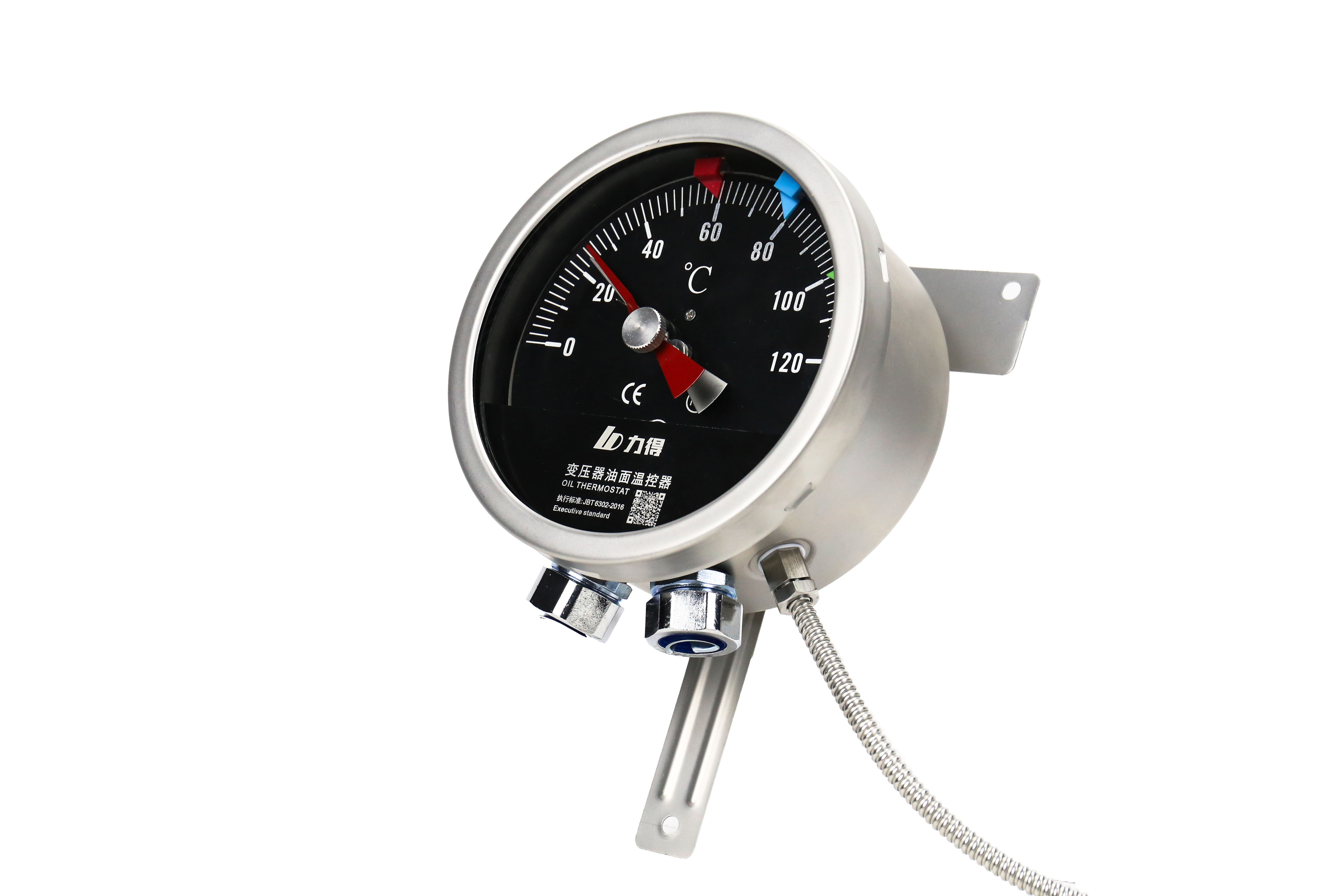
Oil-immersed transformer thermostats serve as critical monitoring components in power distribution systems, particularly when operating under extreme environmental conditions. These specialized temperature measurement devices must withstand challenging operating environments including high-altitude installations, low-temperature climates, and humid-heat conditions that can significantly impact their reliability and accuracy. Understanding the proper selection criteria and protection measures for these essential components ensures optimal transformer performance and extends equipment lifespan across diverse geographical locations and climate zones.
Environmental Challenges for Transformer Temperature Monitoring Systems
High-Altitude Installation Considerations
High-altitude environments present unique challenges for oil-immersed transformer thermostats due to reduced atmospheric pressure and increased ultraviolet radiation exposure. At elevations exceeding 1000 meters above sea level, the decreased air density affects heat dissipation characteristics and can lead to accelerated insulation degradation. Temperature monitoring equipment must be designed with enhanced insulation levels and protective coatings to maintain accuracy under these demanding conditions.
The reduced atmospheric pressure at high altitudes also impacts the thermal expansion properties of transformer oil, requiring thermostat calibration adjustments to maintain measurement precision. Equipment manufacturers typically specify altitude correction factors that must be applied during installation and commissioning processes. Additionally, the increased solar radiation intensity at higher elevations necessitates robust UV-resistant materials and protective enclosures to prevent premature aging of thermostat components.
Low-Temperature Environment Impacts
Low-temperature environments create significant operational challenges for transformer temperature monitoring systems, particularly regarding oil viscosity changes and material brittleness. When ambient temperatures drop below -20°C, transformer oil becomes increasingly viscous, affecting heat transfer characteristics and potentially impacting thermostat response times. These conditions require specialized low-temperature rated components and modified calibration procedures to ensure accurate temperature measurements.
Material selection becomes crucial in low-temperature applications, as standard polymer seals and gaskets may lose flexibility and fail to maintain proper sealing integrity. Cold-weather rated oil-immersed transformer thermostats incorporate specialized elastomeric materials and anti-freeze protection measures to prevent moisture ingress and maintain operational reliability throughout extended cold periods.
Humid-Heat Environment Protection Strategies
Moisture Ingress Prevention
Humid-heat environments pose significant risks to transformer temperature monitoring equipment through accelerated corrosion, insulation breakdown, and electronic component degradation. Protective measures must focus on preventing moisture infiltration while maintaining proper heat dissipation capabilities. Advanced sealing systems incorporating multiple barrier layers and desiccant materials provide enhanced protection against humidity-related failures.
The combination of high humidity and elevated temperatures creates condensation risks that can compromise electrical connections and sensor accuracy. Professional-grade oil-immersed transformer thermostats utilize hermetically sealed enclosures with specialized breathing systems that allow thermal expansion while preventing moisture ingress. These systems often incorporate molecular sieves or silica gel desiccants to maintain internal atmosphere dryness.
Corrosion Resistance Requirements
Corrosive environments accelerate the degradation of metallic components within temperature monitoring systems, requiring enhanced material specifications and protective coatings. Stainless steel construction with appropriate grade selection provides superior corrosion resistance compared to standard carbon steel alternatives. Surface treatments such as passivation and specialized polymer coatings further enhance protection against aggressive atmospheric conditions.
Internal components must also receive protection through the use of noble metal contacts, conformal coatings on circuit boards, and corrosion-inhibiting compounds within sealed assemblies. Regular inspection protocols should include visual assessment of protective coatings and replacement of sacrificial anodes where applicable to maintain long-term corrosion protection effectiveness.
Selection Criteria for Extreme Environment Applications
Temperature Rating and Accuracy Specifications
Proper temperature rating selection ensures reliable operation across the full range of expected environmental conditions while maintaining measurement accuracy requirements. Oil-immersed transformer thermostats must be capable of accurate measurement across extended temperature ranges, typically from -40°C to +120°C for extreme environment applications. Accuracy specifications should account for temperature coefficient effects and long-term stability requirements.
Calibration stability becomes increasingly important in extreme environments where periodic recalibration may be difficult or costly. High-quality temperature sensors with minimal drift characteristics and robust mechanical construction provide reliable long-term performance. Digital communication capabilities enable remote monitoring and diagnostic functions that facilitate preventive maintenance scheduling and early fault detection.
Mechanical Construction and Durability
Mechanical robustness requirements for extreme environment applications exceed standard specifications due to increased thermal cycling stress and potential physical impacts. Heavy-duty construction with reinforced mounting brackets and vibration-resistant designs ensures reliable operation under challenging installation conditions. Protective enclosures must meet appropriate ingress protection ratings while maintaining accessibility for maintenance activities.
Material compatibility with transformer oil and aging characteristics require careful consideration to prevent premature failure or contamination issues. Approved materials lists from transformer manufacturers provide guidance on compatible compounds and surface treatments that maintain oil purity over extended service periods.
Installation and Commissioning Best Practices
Pre-Installation Environmental Assessment
Comprehensive site surveys identify specific environmental challenges that may affect thermostat performance and longevity. Detailed documentation of ambient temperature ranges, humidity levels, altitude, and exposure to contaminants enables proper equipment selection and protection system design. Historical weather data analysis provides valuable insights into extreme condition frequencies and duration that inform maintenance planning strategies.
Microclimate variations within transformer installations can significantly impact local environmental conditions experienced by monitoring equipment. Factors such as solar exposure orientation, wind patterns, and nearby heat sources require evaluation during the planning phase to optimize thermostat placement and protection measures.
Calibration and Testing Procedures
Proper calibration procedures account for environmental factors that influence measurement accuracy, including altitude corrections and temperature coefficient adjustments. Field calibration using certified reference standards ensures accuracy across the full operating range while documenting baseline performance characteristics for future comparison. Testing protocols should verify proper operation under simulated extreme conditions whenever possible.
Documentation requirements for extreme environment installations typically exceed standard applications due to increased maintenance complexity and warranty considerations. Comprehensive records of calibration data, environmental exposure history, and performance trends enable predictive maintenance strategies and support warranty claims when equipment failures occur.
Maintenance and Monitoring Protocols
Preventive Maintenance Scheduling
Extreme environment applications require modified maintenance intervals and enhanced inspection procedures to ensure continued reliability of oil-immersed transformer thermostats. Increased frequency of seal integrity checks, desiccant replacement, and calibration verification helps identify potential issues before they result in equipment failure or measurement inaccuracy.
Seasonal maintenance protocols address specific environmental challenges such as ice formation prevention in cold climates and enhanced corrosion protection renewal in humid-heat environments. Maintenance scheduling coordination with transformer outages optimizes resource utilization while minimizing operational disruptions.
Performance Monitoring and Diagnostics
Advanced diagnostic capabilities enable remote monitoring of thermostat performance and early identification of degradation trends that may indicate approaching failure conditions. Data logging functions capture environmental exposure history and operational parameters that support root cause analysis and maintenance optimization efforts.
Trending analysis of temperature measurement accuracy and response characteristics provides valuable insights into equipment aging processes and helps predict remaining useful life. Integration with broader transformer monitoring systems enables correlation analysis that enhances overall asset management effectiveness.
FAQ
What altitude correction factors apply to oil-immersed transformer thermostats?
Altitude corrections for oil-immersed transformer thermostats typically require derating of 1-2% per 300 meters above sea level, depending on the specific design and manufacturer specifications. These corrections account for reduced heat dissipation efficiency and changes in oil thermal characteristics at reduced atmospheric pressure. Manufacturer documentation should be consulted for specific correction factors and installation guidelines.
How frequently should thermostats be recalibrated in extreme environments?
Recalibration intervals for extreme environment applications typically range from 12 to 24 months, compared to 36-60 months for standard installations. The specific interval depends on environmental severity, accuracy requirements, and observed drift characteristics during operation. More frequent verification may be warranted during the initial years of service to establish baseline performance patterns.
What protection measures prevent moisture damage in humid environments?
Moisture protection relies on multiple barrier systems including hermetic seals, desiccant breathers, and protective enclosure coatings. Internal atmosphere control using molecular sieves maintains low humidity levels while specialized gaskets and O-ring seals prevent ingress at connection points. Regular inspection and replacement of protective elements ensures continued effectiveness.
Can standard thermostats be modified for extreme environment use?
While some protective modifications may be possible, extreme environment applications typically require purpose-built equipment designed for specific operating conditions. Retrofitting standard units may compromise reliability and void manufacturer warranties. Proper selection of environmentally rated equipment from the initial installation provides superior long-term performance and cost effectiveness.