
 EN
EN
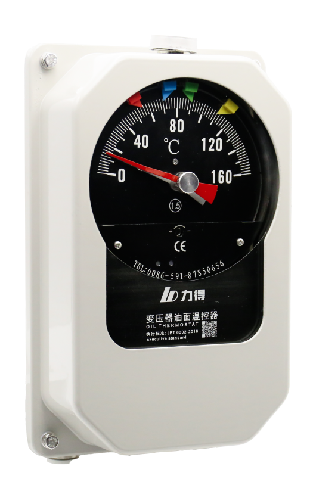
Oil-immersed transformer thermostats serve as critical safety components in electrical power systems, protecting valuable transformer equipment from thermal damage through precise temperature monitoring and control. These specialized instruments require meticulous installation procedures and calibration protocols to ensure reliable operation throughout their service life. Understanding the fundamental operational requirements, environmental considerations, and maintenance specifications is essential for electrical engineers and technicians responsible for transformer protection systems. Proper implementation of these temperature control devices directly impacts transformer longevity, system reliability, and operational safety in industrial and utility applications.
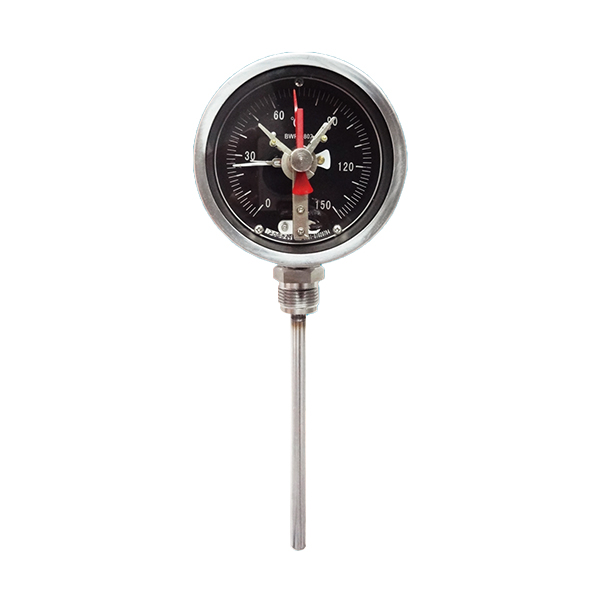
Technical Installation Requirements for Transformer Temperature Monitoring Systems
Physical Mounting Specifications and Environmental Considerations
The installation process for oil-immersed transformer thermostats begins with careful assessment of mounting location and environmental conditions. Temperature sensors must be positioned at optimal depths within the transformer tank to accurately represent oil temperature variations under different load conditions. Standard mounting depths typically range from 300mm to 500mm below the oil surface, depending on transformer size and manufacturer specifications. The sensor housing must maintain proper sealing integrity to prevent oil contamination and moisture ingress that could compromise measurement accuracy.
Environmental factors significantly influence installation requirements, particularly ambient temperature ranges, humidity levels, and electromagnetic interference potential. Thermostat enclosures require adequate ventilation while maintaining protective ratings appropriate for the installation environment. Industrial installations often demand IP65 or higher protection ratings to ensure reliable operation in harsh conditions. Proper grounding connections are essential to prevent electrical interference and ensure personnel safety during maintenance operations.
Electrical Connection Standards and Safety Protocols
Electrical connections for oil-immersed transformer thermostats must comply with relevant electrical codes and manufacturer specifications to ensure safe and reliable operation. Control circuits typically operate at low voltages, but proper isolation from high-voltage transformer components remains critical. Wire routing must avoid areas subject to electromagnetic interference while maintaining accessibility for future maintenance requirements. Connection terminals require appropriate torque specifications to prevent loose connections that could lead to control system failures.
Safety protocols during installation include proper lockout-tagout procedures, verification of de-energized conditions, and use of appropriate personal protective equipment. Installation teams must understand potential hazards associated with transformer oil, electrical systems, and confined spaces. Documentation of installation procedures, including photographs and electrical connection diagrams, provides valuable references for future maintenance and troubleshooting activities.
Calibration Procedures and Accuracy Verification Methods
Initial Calibration Setup and Reference Standards
Calibration of oil-immersed transformer thermostats requires precision reference equipment and standardized procedures to ensure measurement accuracy within specified tolerances. Primary calibration standards typically include certified temperature references traceable to national standards, precision digital thermometers, and temperature calibration baths or dry-block calibrators. The calibration environment must maintain stable conditions with minimal temperature fluctuations during the calibration process. Proper documentation of reference equipment calibration certificates and traceability chains ensures compliance with quality management requirements.
Initial calibration procedures involve multiple temperature points across the expected operating range, typically including ambient temperature, normal operating temperature, and alarm setpoints. Each calibration point requires sufficient stabilization time to ensure accurate readings and proper thermal equilibrium. Calibration data must be recorded systematically, including environmental conditions, equipment serial numbers, and technician identification for quality assurance purposes.
Ongoing Calibration Verification and Drift Assessment
Regular calibration verification ensures continued accuracy of oil-immersed transformer thermostats throughout their operational life. Calibration intervals depend on manufacturer recommendations, regulatory requirements, and historical performance data, typically ranging from annual to triennial schedules. Drift assessment involves comparing current calibration results with previous data to identify trends that might indicate component degradation or environmental effects on sensor performance.
Advanced calibration techniques may include in-situ verification methods using portable calibration equipment to minimize system downtime. Temperature simulation devices can verify control circuit responses without removing sensors from service, though complete calibration verification still requires periodic laboratory testing. Calibration records must include uncertainty calculations, measurement traceability, and compliance statements to meet regulatory and quality management system requirements.
Critical Operational Parameters and Performance Monitoring
Temperature Setpoint Configuration and Alarm Management
Proper configuration of temperature setpoints for oil-immersed transformer thermostats requires careful analysis of transformer thermal characteristics, loading patterns, and cooling system capabilities. Primary alarm setpoints typically activate cooling fans or pumps, while secondary alarms may initiate load shedding or protection system responses. Setpoint values must account for transformer hot-spot temperatures, oil circulation patterns, and thermal time constants to provide effective protection without nuisance alarms.
Alarm management systems should incorporate appropriate time delays to prevent false alarms from transient temperature excursions while maintaining rapid response to genuine thermal emergencies. Hysteresis settings prevent alarm chatter around setpoint values, ensuring stable control system operation. Regular review of alarm history data helps optimize setpoint values and identify potential system improvements or maintenance requirements.
Performance Trending and Diagnostic Analysis
Continuous monitoring of oil-immersed transformer thermostats performance through data logging and trending analysis provides valuable insights into system health and operational efficiency. Temperature data correlation with transformer loading, ambient conditions, and cooling system operation helps identify performance degradation before critical failures occur. Advanced diagnostic techniques may include statistical analysis of temperature variations, comparison with thermal modeling predictions, and identification of abnormal patterns that could indicate developing problems.
Integration with computerized maintenance management systems enables automated scheduling of calibration and maintenance activities based on actual performance data rather than fixed time intervals. Predictive maintenance strategies can reduce maintenance costs while improving system reliability through early identification of potential issues. Regular performance reviews should include analysis of temperature measurement accuracy, response times, and correlation with other transformer monitoring systems.
Maintenance Best Practices and Troubleshooting Guidelines
Preventive Maintenance Schedules and Inspection Procedures
Effective maintenance of oil-immersed transformer thermostats requires systematic inspection procedures and preventive maintenance schedules tailored to specific operating environments and equipment characteristics. Visual inspections should verify proper sensor mounting, cable integrity, and enclosure sealing condition. Electrical connections require periodic inspection for signs of corrosion, looseness, or overheating that could affect measurement accuracy or create safety hazards.
Maintenance schedules should incorporate manufacturer recommendations, regulatory requirements, and historical performance data to optimize resource allocation and system reliability. Documentation of maintenance activities, including inspection results, corrective actions, and parts replacement, provides valuable data for reliability analysis and future maintenance planning. Training programs for maintenance personnel ensure proper procedures and safety practices are followed consistently.
Common Failure Modes and Diagnostic Techniques
Understanding common failure modes for oil-immersed transformer thermostats enables more effective troubleshooting and maintenance strategies. Sensor drift represents the most frequent performance issue, typically caused by aging effects, contamination, or mechanical stress. Electronic component failures in control circuits may produce erratic readings, loss of communication, or complete system failures requiring component replacement or repair.
Diagnostic techniques include resistance measurements, signal verification, and comparison with independent temperature references to isolate problem areas. Advanced diagnostic equipment may include thermal imaging cameras, oscilloscopes, and communication analyzers for complex control systems. Systematic troubleshooting procedures help minimize diagnostic time while ensuring thorough problem resolution and prevention of recurring issues.
FAQ
How often should oil-immersed transformer thermostats be calibrated
Calibration intervals for oil-immersed transformer thermostats typically range from 12 to 36 months, depending on manufacturer recommendations, regulatory requirements, and operational criticality. High-accuracy applications or harsh operating environments may require more frequent calibration, while stable installations with proven reliability may extend intervals based on historical performance data and risk assessment.
What are the most critical installation parameters for ensuring accurate temperature measurement
Critical installation parameters include proper sensor depth positioning within the transformer tank, adequate thermal coupling with the oil medium, protection from electromagnetic interference, and secure mounting to prevent mechanical stress. Electrical connections must maintain proper isolation and grounding, while environmental protection ratings must match installation conditions to ensure long-term reliability.
Which environmental factors most significantly affect thermostat performance and accuracy
Temperature extremes, humidity variations, electromagnetic interference, and vibration represent the most significant environmental factors affecting oil-immersed transformer thermostats performance. Ambient temperature changes can introduce measurement errors if not properly compensated, while moisture ingress can cause corrosion and calibration drift. Proper enclosure selection and installation practices minimize these environmental effects.
What maintenance indicators suggest immediate attention is required for transformer temperature monitoring systems
Key maintenance indicators include erratic temperature readings, failure to respond to known temperature changes, alarm system malfunctions, physical damage to sensors or cables, and significant drift from calibrated values. Unusual temperature patterns compared to historical data or discrepancies between multiple sensors also warrant immediate investigation to prevent potential transformer damage or safety hazards.
Table of Contents
- Technical Installation Requirements for Transformer Temperature Monitoring Systems
- Calibration Procedures and Accuracy Verification Methods
- Critical Operational Parameters and Performance Monitoring
- Maintenance Best Practices and Troubleshooting Guidelines
-
FAQ
- How often should oil-immersed transformer thermostats be calibrated
- What are the most critical installation parameters for ensuring accurate temperature measurement
- Which environmental factors most significantly affect thermostat performance and accuracy
- What maintenance indicators suggest immediate attention is required for transformer temperature monitoring systems