 EN
EN
Power transformers represent critical infrastructure components that require precise temperature monitoring and control systems to ensure safe, reliable operation. When it comes to thermal management in oil immersed transformer thermostat applications, engineers and facility managers must understand the fundamental differences between winding temperature monitoring and oil surface temperature control. These two approaches serve distinct purposes in transformer protection schemes, with each offering unique advantages for specific operational requirements and safety protocols.
The selection between winding-based and oil surface temperature monitoring systems significantly impacts transformer protection strategies, maintenance schedules, and overall system reliability. Understanding these differences enables informed decision-making for both new installations and retrofit applications, ensuring optimal performance while maintaining compliance with industry standards and safety requirements.
Understanding Oil Immersed Transformer Temperature Monitoring Fundamentals
Basic Principles of Transformer Thermal Management
Transformer thermal management relies on accurate temperature measurement to prevent overheating conditions that could lead to insulation breakdown, reduced equipment lifespan, or catastrophic failure. The oil immersed transformer thermostat system serves as the primary interface between temperature sensors and protective control circuits, processing thermal data to initiate appropriate responses based on predetermined setpoints and operational parameters.
Temperature gradients within oil-filled transformers create complex thermal patterns that vary based on load conditions, ambient temperature, cooling system effectiveness, and internal heat generation characteristics. These gradients necessitate strategic sensor placement to capture representative temperature measurements that accurately reflect transformer thermal status and provide reliable protection against overheating scenarios.
Critical Temperature Measurement Points
Effective transformer temperature monitoring requires understanding of critical measurement locations where thermal conditions most accurately represent overall equipment status. Primary measurement points include winding hotspots, oil circulation paths, cooling system interfaces, and ambient temperature reference locations that collectively provide comprehensive thermal awareness for protection and control systems.
The relationship between different temperature measurement points creates a thermal profile that enables predictive maintenance strategies and early warning systems. This comprehensive approach to temperature monitoring enhances reliability while reducing maintenance costs through improved understanding of equipment thermal behavior patterns and trending analysis capabilities.
Winding Temperature Monitoring Systems
Direct Winding Temperature Measurement Advantages
Winding temperature monitoring systems provide direct measurement of transformer coil temperatures, offering the most accurate representation of actual thermal stress conditions within the transformer core assembly. This approach typically utilizes embedded temperature sensors or fiber optic temperature measurement devices that can withstand the electrical and thermal stresses present within transformer windings during normal and fault conditions.
The primary advantage of winding temperature monitoring lies in its ability to detect localized hotspots before they propagate throughout the transformer assembly. Early detection capabilities enable proactive load management and maintenance scheduling, preventing costly equipment failures while maximizing transformer operational lifespan through optimized thermal management strategies.
Implementation Challenges and Solutions
Installing winding temperature sensors requires careful consideration of electrical isolation, mechanical protection, and long-term reliability factors. Sensors must withstand high voltage gradients, mechanical vibration, and temperature cycling while maintaining measurement accuracy and communication integrity with external monitoring systems throughout the transformer service life.
Modern winding temperature monitoring solutions employ advanced technologies such as fiber optic sensing, wireless communication protocols, and ruggedized sensor designs that address traditional implementation challenges. These innovations enable reliable winding temperature measurement while minimizing installation complexity and maintenance requirements compared to legacy monitoring approaches.
Oil Surface Temperature Control Systems
Surface Temperature Monitoring Methodology
Oil surface temperature monitoring systems measure transformer oil temperature at strategic locations, typically at the oil surface or within the oil circulation system. This approach provides an indirect indication of transformer thermal status by monitoring the primary cooling medium temperature, which correlates with overall transformer thermal conditions under normal operating circumstances.
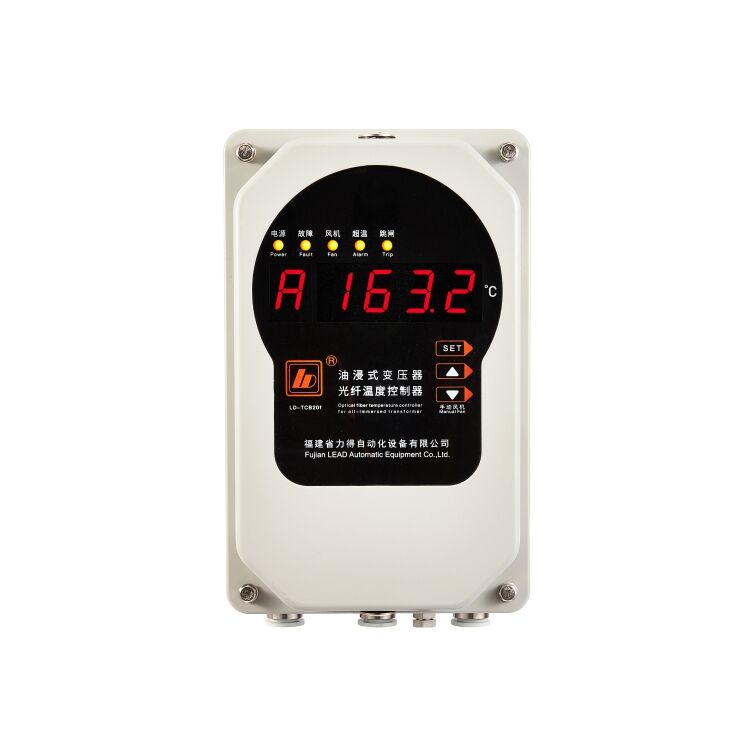
The oil immersed transformer thermostat system processes oil temperature measurements to provide cooling system control, alarm generation, and protective trip functions based on predetermined temperature thresholds that reflect safe operating limits and emergency shutdown requirements for the specific transformer application.
Operational Benefits and Limitations
Oil surface temperature monitoring offers simplified installation procedures, reduced cost compared to winding-mounted sensors, and proven reliability in traditional transformer protection schemes. This approach provides adequate protection for many applications while maintaining compatibility with existing control systems and protection philosophies used throughout the electrical utility industry.
However, oil surface temperature measurements may not accurately reflect winding hotspot conditions during rapid load changes or fault conditions where thermal time constants create temperature differentials between oil and winding temperatures. This limitation requires careful consideration of protection setpoints and response times to ensure adequate transformer protection under all operating conditions.
Comparative Analysis of Monitoring Approaches
Accuracy and Response Time Differences
Winding temperature monitoring systems typically provide faster response times and higher accuracy for detecting actual thermal stress conditions within transformer windings. Direct measurement eliminates thermal lag associated with heat transfer from windings to oil, enabling more responsive protection and control actions during transient thermal events or overload conditions.
Oil surface temperature monitoring systems exhibit thermal lag due to heat transfer delays from winding to oil, which may result in slower response times during rapid thermal transients. However, this approach provides excellent long-term trending capabilities and reliable indication of overall transformer thermal status under steady-state operating conditions where thermal equilibrium exists between windings and oil.
Installation and Maintenance Considerations
Installation complexity varies significantly between winding and oil surface temperature monitoring approaches. Winding sensors require installation during transformer manufacturing or major maintenance outages, while oil surface sensors can often be installed or replaced during routine maintenance activities without extensive transformer disassembly or oil handling procedures.
Maintenance requirements also differ substantially between the two approaches. Winding sensors may require specialized testing procedures and replacement during major overhauls, while oil surface sensors typically offer easier access for calibration, testing, and replacement activities that can be performed using standard maintenance procedures and equipment available at most facilities.
Application-Specific Selection Criteria
Critical Load Applications
Critical load applications such as hospital power systems, data centers, and industrial processes that cannot tolerate extended outages often benefit from winding temperature monitoring systems due to their superior accuracy and faster response times. These applications justify the additional cost and complexity associated with direct winding temperature measurement to maximize equipment protection and system reliability.
The enhanced thermal awareness provided by winding temperature monitoring enables optimized load management strategies that can extend equipment life while maintaining adequate safety margins. This capability becomes particularly valuable in applications where transformer replacement costs or outage consequences represent significant financial impacts to facility operations.
Standard Distribution Applications
Standard distribution transformers serving typical commercial and residential loads often utilize oil surface temperature monitoring systems due to their cost-effectiveness, proven reliability, and adequate protection capabilities for these applications. The simpler installation and maintenance requirements make this approach attractive for utilities managing large transformer populations with limited specialized maintenance resources.
Oil surface temperature monitoring provides sufficient protection for transformers operating under relatively stable load conditions with adequate thermal margins. This approach aligns well with utility protection philosophies that emphasize simplicity, reliability, and cost-effectiveness across large equipment populations while maintaining adequate safety and protection standards.
Technology Integration and Future Developments
Smart Grid Integration Capabilities
Modern oil immersed transformer thermostat systems increasingly incorporate smart grid communication capabilities, remote monitoring functions, and advanced analytics that enhance both winding and oil surface temperature monitoring approaches. These technologies enable centralized monitoring, predictive maintenance strategies, and improved operational decision-making based on comprehensive thermal data analysis.
Integration with supervisory control and data acquisition systems enables automated load management, maintenance scheduling optimization, and enhanced fault detection capabilities that improve overall system reliability while reducing operational costs. These advanced features become particularly valuable as electrical systems become more complex and reliability requirements continue to increase across all application sectors.
Emerging Sensor Technologies
Emerging sensor technologies such as wireless temperature monitoring, distributed fiber optic sensing, and advanced materials science developments continue to improve both winding and oil surface temperature monitoring capabilities. These innovations address traditional limitations while introducing new possibilities for comprehensive thermal monitoring and predictive maintenance strategies.
Future developments in oil immersed transformer thermostat technology will likely incorporate artificial intelligence, machine learning algorithms, and advanced data analytics to optimize protection strategies, predict equipment failures, and enhance overall system performance through intelligent thermal management approaches that adapt to changing operating conditions and equipment characteristics over time.
FAQ
What are the main advantages of winding temperature monitoring over oil surface monitoring?
Winding temperature monitoring provides direct measurement of actual thermal stress conditions, faster response times during transient events, and more accurate detection of localized hotspots. This approach offers superior protection for critical applications where precise thermal management is essential for equipment reliability and system performance.
Can oil surface temperature monitoring provide adequate protection for most transformer applications?
Yes, oil surface temperature monitoring systems provide adequate protection for most standard distribution and commercial applications. This approach offers proven reliability, cost-effectiveness, and simplified maintenance procedures while maintaining compliance with industry protection standards and safety requirements for typical transformer installations.
How does thermal lag affect the performance of different monitoring approaches?
Thermal lag primarily affects oil surface temperature monitoring systems, which may exhibit delayed response during rapid load changes or fault conditions due to heat transfer delays from windings to oil. Winding temperature monitoring eliminates this lag by providing direct measurement, resulting in faster response times and more accurate representation of actual thermal conditions.
What factors should be considered when selecting between winding and oil surface temperature monitoring?
Key selection factors include application criticality, load characteristics, installation complexity, maintenance capabilities, cost considerations, and required response times. Critical applications typically benefit from winding monitoring, while standard applications often utilize oil surface monitoring due to cost-effectiveness and adequate protection capabilities for typical operating conditions.
Table of Contents
- Understanding Oil Immersed Transformer Temperature Monitoring Fundamentals
- Winding Temperature Monitoring Systems
- Oil Surface Temperature Control Systems
- Comparative Analysis of Monitoring Approaches
- Application-Specific Selection Criteria
- Technology Integration and Future Developments
-
FAQ
- What are the main advantages of winding temperature monitoring over oil surface monitoring?
- Can oil surface temperature monitoring provide adequate protection for most transformer applications?
- How does thermal lag affect the performance of different monitoring approaches?
- What factors should be considered when selecting between winding and oil surface temperature monitoring?