 EN
EN
Proper temperature monitoring is crucial for maintaining the reliability and longevity of oil-immersed transformers in industrial applications. The selection of an appropriate oil-immersed transformer thermostat requires careful consideration of multiple factors including transformer capacity, operating environment, and maintenance requirements. Understanding the differences between mechanical, electronic, and smart thermostat types enables engineers and facility managers to make informed decisions that optimize both performance and cost-effectiveness. This comprehensive guide explores the key considerations for selecting the most suitable thermostat system for your specific transformer installation.
Understanding Oil-Immersed Transformer Temperature Requirements
Critical Temperature Parameters for Transformer Operation
Oil-immersed transformers operate within specific temperature ranges to ensure optimal performance and prevent premature aging. The top oil temperature typically ranges from 60°C to 95°C during normal operation, while winding temperatures can reach 105°C to 120°C depending on the insulation class. Exceeding these temperature limits can lead to accelerated insulation degradation, reduced transformer lifespan, and potential catastrophic failures. An oil-immersed transformer thermostat serves as the primary monitoring and control device to prevent overheating conditions.
Temperature monitoring becomes increasingly critical as transformer capacity increases due to higher heat generation and thermal stress. Large power transformers require more sophisticated monitoring systems to detect hot spots and gradual temperature increases that could indicate developing problems. The thermostat system must provide accurate readings across the entire operating range while maintaining reliability in harsh industrial environments.
Heat Generation and Dissipation Mechanisms
Transformer heat generation occurs primarily through copper losses in windings and iron losses in the core, with additional losses from stray flux and eddy currents. The cooling oil circulation system removes this heat through natural or forced convection, depending on the transformer design and capacity. Temperature stratification within the transformer tank creates varying thermal conditions that the thermostat system must monitor effectively.
Understanding heat dissipation patterns helps determine optimal thermostat placement and configuration. Smaller distribution transformers may rely on natural cooling with simple temperature monitoring, while larger units require multiple temperature sensors and active cooling control. The thermostat system must coordinate with cooling equipment to maintain optimal operating temperatures under varying load conditions.
Mechanical Thermostat Systems: Robust and Reliable Solutions
Operating Principles and Design Features
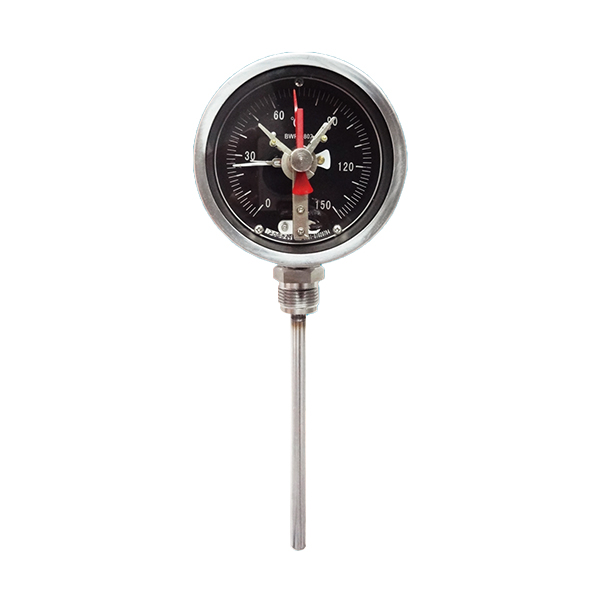
Mechanical thermostats utilize bimetallic strips or liquid expansion elements to provide temperature-responsive switching without external power requirements. These devices operate through physical expansion and contraction of temperature-sensitive materials, creating direct mechanical action to operate switch contacts. The inherent simplicity of mechanical systems provides excellent reliability in harsh environments where electronic components might fail due to electromagnetic interference or power fluctuations.
The robust construction of mechanical thermostats makes them suitable for outdoor installations and applications with limited maintenance access. These units typically feature adjustable temperature settings through mechanical calibration screws and provide visual indication of operating status through pointer positions or flag indicators. The absence of electronic components eliminates concerns about component aging, software reliability, and cyber security vulnerabilities.
Application Advantages and Limitations
Mechanical thermostats excel in applications requiring basic temperature monitoring and control without complex communication or data logging requirements. Their independence from electrical power makes them ideal for backup protection systems and installations where power supply reliability is questionable. The long service life and minimal maintenance requirements make mechanical systems cost-effective for smaller transformers with straightforward cooling requirements.
However, mechanical systems have limited accuracy compared to electronic alternatives and cannot provide precise temperature readings or advanced features like remote monitoring. The fixed contact arrangements limit flexibility in alarm and control functions, making them less suitable for applications requiring multiple temperature thresholds or complex control logic. Response time may be slower than electronic systems due to thermal mass in the sensing elements.
Electronic Thermostat Technologies: Precision and Versatility
Advanced Sensing and Control Capabilities
Electronic thermostats incorporate digital temperature sensors, microprocessor control, and programmable logic to provide superior accuracy and functionality compared to mechanical alternatives. These systems typically achieve temperature measurement accuracy within ±1°C and offer multiple programmable alarm points with adjustable hysteresis settings. The digital display provides clear temperature readings and system status information, enhancing operator awareness and troubleshooting capabilities.
Programmable features in electronic thermostats allow customization of control logic, alarm delays, and output functions to match specific application requirements. Multiple relay outputs can control different cooling stages, alarm circuits, and remote indication systems independently. Advanced models include temperature trending capabilities, peak temperature recording, and diagnostic functions that support predictive maintenance programs.
Integration and Communication Features
Modern electronic thermostats support various communication protocols including Modbus, DNP3, and Ethernet connectivity for integration with supervisory control and data acquisition systems. Remote monitoring capabilities enable centralized temperature monitoring across multiple transformer installations, reducing the need for on-site inspections and improving response times to abnormal conditions. Data logging functions capture temperature trends and alarm events for analysis and regulatory compliance reporting.
The flexibility of electronic systems allows easy reconfiguration of temperature setpoints and control logic through software interfaces rather than physical adjustments. This capability proves valuable during commissioning, seasonal adjustments, and operational changes that affect transformer loading patterns. Backup power supplies and non-volatile memory ensure continuous operation and data retention during power interruptions.
Smart Thermostat Systems: Intelligence and Connectivity
Internet of Things Integration and Analytics
Smart thermostats represent the latest evolution in transformer temperature monitoring, incorporating IoT connectivity, cloud-based analytics, and artificial intelligence algorithms. These systems continuously collect and analyze temperature data to identify patterns, predict equipment behavior, and optimize cooling system operation. Machine learning capabilities enable the system to adapt to changing operating conditions and improve accuracy over time through pattern recognition.
Cloud connectivity allows remote access to temperature data and system configuration from anywhere with internet access, enabling global monitoring of distributed transformer assets. Mobile applications provide real-time alerts and status updates to maintenance personnel, improving response times and situational awareness. Advanced analytics can correlate temperature data with other operational parameters to identify developing problems before they become critical.
Predictive Maintenance and Asset Management
Smart thermostat systems contribute to comprehensive asset management programs by providing detailed historical data and predictive analytics. Temperature trending analysis can reveal gradual changes in thermal behavior that indicate developing problems such as cooling system degradation, increased losses, or insulation deterioration. Early detection of these conditions enables proactive maintenance scheduling and prevents unexpected failures.
Integration with enterprise asset management systems allows correlation of temperature data with maintenance records, loading history, and performance metrics. This comprehensive view supports data-driven decision making for maintenance planning, load management, and equipment replacement strategies. The detailed documentation provided by smart systems also supports warranty claims and regulatory compliance requirements.
Capacity-Based Selection Criteria
Small Distribution Transformers: 50 kVA to 500 kVA
Small distribution transformers typically operate with natural cooling and have limited space for complex monitoring equipment. Mechanical thermostats often provide adequate protection for these applications due to their simplicity, reliability, and cost-effectiveness. The straightforward temperature monitoring requirements and infrequent maintenance access make mechanical systems attractive for utility distribution networks and small industrial installations.
However, electronic thermostats may be justified for critical applications or installations where remote monitoring capabilities add value. The improved accuracy and programmable features of electronic systems can provide better protection and operational flexibility even in smaller transformers. Selection depends on the criticality of the application, maintenance resources available, and long-term operational requirements.
Medium Power Transformers: 500 kVA to 10 MVA
Medium power transformers often incorporate forced cooling systems that require more sophisticated temperature monitoring and control capabilities. Electronic thermostats typically provide the necessary functionality to coordinate multiple cooling stages and provide accurate temperature monitoring across varying load conditions. The improved accuracy and multiple alarm points help optimize cooling system operation while providing adequate protection margins.
Smart thermostat systems may be considered for critical applications or installations where advanced monitoring capabilities justify the additional cost. The predictive maintenance features and remote monitoring capabilities can reduce operational costs and improve reliability for important industrial or utility applications. The decision often depends on the availability of communication infrastructure and the value placed on advanced monitoring capabilities.
Large Power Transformers: Above 10 MVA
Large power transformers represent significant capital investments and typically require the most advanced monitoring systems available. Smart thermostats with comprehensive analytics and predictive maintenance capabilities help protect these valuable assets and optimize their operational life. The cost of advanced monitoring systems becomes relatively small compared to the transformer investment and potential failure costs.
Multiple temperature monitoring points and sophisticated control logic become essential for large transformers with complex cooling systems. The ability to monitor winding temperatures, top oil temperatures, and cooling system performance simultaneously requires the advanced capabilities provided by smart thermostat systems. Integration with broader asset management and grid monitoring systems adds additional value for utility and industrial applications.
Operating Environment Considerations
Indoor Installation Requirements
Indoor transformer installations typically provide controlled environmental conditions that favor electronic and smart thermostat systems. The protection from weather extremes, reduced electromagnetic interference, and availability of reliable power supplies create optimal conditions for advanced monitoring systems. Climate-controlled environments also reduce thermal cycling stress on electronic components, improving long-term reliability.
Indoor installations often have better communication infrastructure and maintenance access, making smart thermostat features more practical and cost-effective. The ability to integrate with building automation systems and centralized monitoring platforms adds operational value. However, space constraints in indoor installations may limit thermostat size and mounting options, requiring careful consideration of physical compatibility.
Outdoor and Harsh Environment Applications
Outdoor transformer installations present challenging conditions including temperature extremes, moisture exposure, electromagnetic interference from switching operations, and limited maintenance access. These conditions favor robust mechanical thermostats or ruggedized electronic systems designed for harsh environments. The reliability advantages of mechanical systems become more significant when maintenance access is limited or environmental conditions are severe.
Coastal installations face additional challenges from salt air corrosion, while industrial environments may include chemical exposures or vibration that affects thermostat performance. The selection of appropriate enclosure ratings, materials, and protection features becomes critical for long-term reliability. Even smart thermostat systems can be successfully applied in harsh environments with proper environmental protection and robust communication systems.
Cost-Benefit Analysis Framework
Initial Investment and Implementation Costs
The initial cost of thermostat systems varies significantly between mechanical, electronic, and smart options, with mechanical systems typically costing 30-50% less than electronic alternatives, while smart systems may cost 2-3 times more than basic electronic units. However, the total implementation cost includes installation labor, communication infrastructure, and integration with existing systems, which can significantly impact the overall project cost.
Installation complexity increases with system sophistication, as smart thermostats require network connectivity, configuration, and integration with monitoring systems. The availability of skilled technicians and existing infrastructure affects implementation costs and timeline. Long-term cost considerations include maintenance requirements, upgrade possibilities, and obsolescence risks that vary between different thermostat technologies.
Operational Savings and Risk Mitigation
Advanced thermostat systems provide operational savings through improved efficiency, reduced maintenance costs, and enhanced reliability. Precise temperature control optimizes cooling system operation, reducing energy consumption and extending equipment life. Predictive maintenance capabilities help schedule maintenance activities more effectively and prevent unexpected failures that could result in costly outages.
The risk mitigation value of advanced monitoring systems depends on the criticality of the transformer application and the cost of potential failures. Critical transformers in hospitals, data centers, or industrial processes may justify premium monitoring systems based on downtime avoidance alone. The ability to demonstrate proper monitoring and maintenance through detailed records may also provide insurance benefits and regulatory compliance advantages.
Installation and Commissioning Best Practices
Proper Sensor Placement and Wiring
Correct installation of oil-immersed transformer thermostat systems requires careful attention to sensor placement, wiring practices, and environmental protection. Temperature sensors should be positioned to accurately represent the oil temperature at the top of the transformer tank, typically in the upper portion where the hottest oil accumulates. Proper immersion depth ensures accurate readings while avoiding interference with internal transformer components.
Wiring installation must follow appropriate electrical codes and consider electromagnetic interference from the transformer and associated equipment. Shielded cables and proper grounding help minimize signal interference, particularly for electronic and smart thermostat systems. Conduit systems and weatherproof connections protect wiring from environmental damage and ensure long-term reliability.
Calibration and Testing Procedures
Proper calibration ensures accurate temperature measurements and reliable operation of alarm and control functions. Initial calibration should be performed using certified reference standards and documented according to quality assurance procedures. Regular recalibration schedules help maintain accuracy over time and comply with regulatory requirements for critical applications.
Comprehensive testing includes verification of all alarm points, control outputs, and communication functions before placing the system in service. Simulation of various temperature conditions validates proper operation across the expected operating range. Integration testing with cooling systems and remote monitoring platforms ensures proper coordination and data flow throughout the complete monitoring system.
FAQ
What factors should I consider when choosing between mechanical and electronic thermostats for my transformer?
The choice between mechanical and electronic thermostats depends on several key factors including transformer size, criticality, environmental conditions, and maintenance capabilities. Mechanical thermostats offer superior reliability in harsh environments and require no external power, making them ideal for remote installations or backup protection systems. Electronic thermostats provide better accuracy, programmable features, and integration capabilities that benefit larger transformers or critical applications where precise monitoring is essential.
How does transformer capacity affect thermostat selection requirements?
Transformer capacity directly influences thermostat complexity requirements due to increased heat generation, more sophisticated cooling systems, and higher asset values in larger units. Small distribution transformers under 500 kVA may operate effectively with simple mechanical thermostats, while medium transformers from 500 kVA to 10 MVA typically benefit from electronic systems with multiple alarm points and cooling control capabilities. Large power transformers above 10 MVA generally require smart thermostat systems with comprehensive monitoring and predictive maintenance features to protect the significant investment and ensure reliable operation.
What are the main advantages of smart thermostat systems for transformer monitoring?
Smart thermostat systems provide advanced capabilities including IoT connectivity, cloud-based analytics, predictive maintenance algorithms, and remote monitoring access. These features enable proactive maintenance scheduling, early detection of developing problems, and optimization of cooling system operation. The comprehensive data collection and analysis capabilities support asset management programs, regulatory compliance, and data-driven decision making for maintenance and operational planning.
How do environmental conditions influence thermostat selection for outdoor installations?
Outdoor installations present challenges including temperature extremes, moisture exposure, electromagnetic interference, and limited maintenance access that favor robust mechanical systems or ruggedized electronic units. Coastal environments require additional corrosion protection, while industrial settings may involve chemical exposure or vibration concerns. The selection must consider appropriate enclosure ratings, material compatibility, and protection features to ensure long-term reliability under specific environmental conditions. Even advanced systems can be successfully applied outdoors with proper environmental protection and communication infrastructure.
Table of Contents
- Understanding Oil-Immersed Transformer Temperature Requirements
- Mechanical Thermostat Systems: Robust and Reliable Solutions
- Electronic Thermostat Technologies: Precision and Versatility
- Smart Thermostat Systems: Intelligence and Connectivity
- Capacity-Based Selection Criteria
- Operating Environment Considerations
- Cost-Benefit Analysis Framework
- Installation and Commissioning Best Practices
-
FAQ
- What factors should I consider when choosing between mechanical and electronic thermostats for my transformer?
- How does transformer capacity affect thermostat selection requirements?
- What are the main advantages of smart thermostat systems for transformer monitoring?
- How do environmental conditions influence thermostat selection for outdoor installations?