 EN
EN
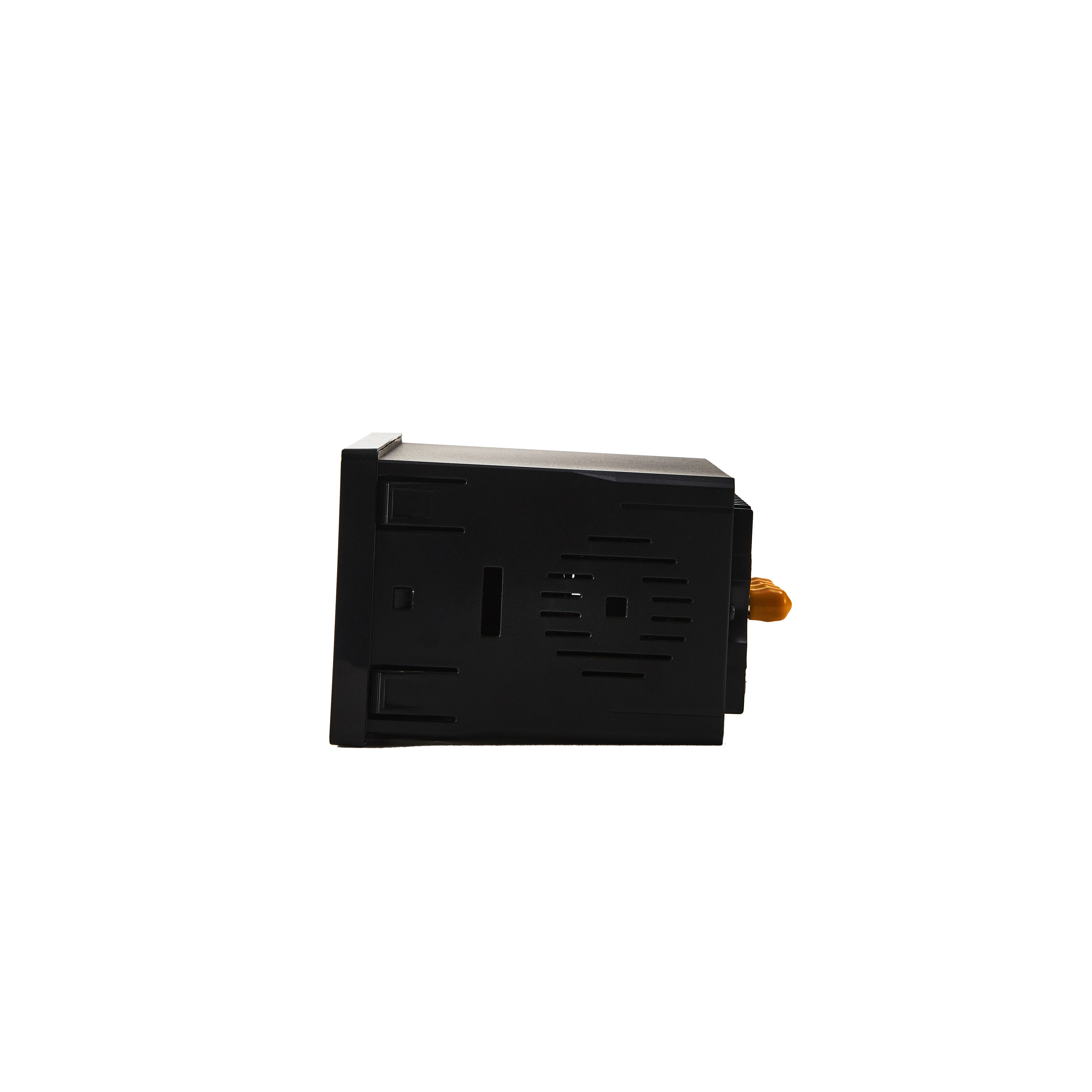
Oil-immersed transformer thermostats play a critical role in maintaining the operational safety and efficiency of power transmission systems. These precision instruments monitor transformer oil temperatures and trigger protective actions when thermal limits are exceeded. However, like any sophisticated electrical component, thermostats can develop various faults that compromise their reliability and accuracy. Understanding the common failure modes and implementing effective troubleshooting strategies is essential for power engineers and maintenance professionals who depend on these devices for transformer protection.
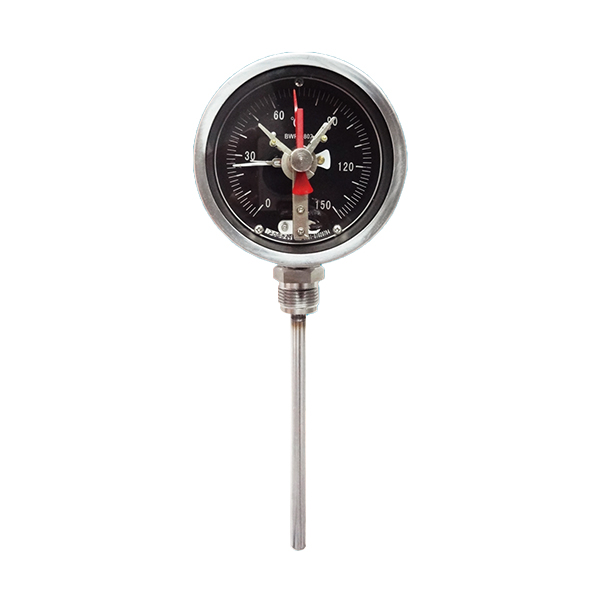
The complexity of modern transformer installations demands reliable temperature monitoring systems that can operate continuously under harsh environmental conditions. When an oil-immersed transformer thermostat malfunctions, the consequences can range from false alarms that disrupt operations to complete protection system failures that leave expensive equipment vulnerable to thermal damage. This comprehensive guide examines the most prevalent thermostat faults, their underlying causes, and proven methods for diagnosis and repair.
Modern power systems rely heavily on accurate temperature measurement and control systems to prevent costly equipment failures and maintain grid stability. The thermostat serves as the first line of defense against overheating, making its proper function absolutely critical for transformer longevity and system reliability. By recognizing early warning signs and implementing systematic troubleshooting approaches, maintenance teams can minimize downtime and extend equipment service life.
Understanding Inaccurate Temperature Measurement Issues
Sensor Drift and Calibration Problems
Temperature sensor drift represents one of the most common causes of inaccurate readings in oil-immersed transformer thermostat systems. Over time, the sensing elements within the thermostat can lose their calibration due to thermal cycling, mechanical stress, and chemical exposure from transformer oil degradation products. This gradual drift typically manifests as a consistent offset between actual and displayed temperatures, making it difficult to detect without regular calibration checks.
Environmental factors contribute significantly to sensor degradation, particularly in outdoor installations where temperature extremes and moisture infiltration accelerate the aging process. The sensing bulb, which contains the temperature-sensitive fluid or bimetallic element, may develop micro-leaks that alter its thermal response characteristics. Additionally, contamination of the sensing fluid can change its expansion properties, leading to systematic measurement errors that compound over time.
Regular calibration verification using certified reference standards is essential for maintaining measurement accuracy. Field calibration procedures should include temperature point checks at multiple operating ranges, documentation of any deviations, and adjustment of the thermostat mechanism as needed. When calibration errors exceed acceptable limits, replacement of the sensing element or complete thermostat unit may be necessary to restore proper function.
Mechanical Wear and Contact Deterioration
The mechanical components of an oil-immersed transformer thermostat are subject to continuous operation and environmental stress that can cause wear and deterioration over time. Moving parts within the thermostat mechanism, including springs, levers, and pivot points, may develop excessive friction or binding that affects temperature response accuracy. This mechanical degradation often results in hysteresis effects where the thermostat exhibits different operating points for rising versus falling temperatures.
Contact surfaces that carry electrical signals for alarm and control functions are particularly vulnerable to oxidation and corrosion. Poor contact quality can introduce electrical resistance that affects signal integrity and may cause intermittent or erratic operation. Visual inspection of contact points often reveals signs of arcing, pitting, or chemical corrosion that indicate the need for cleaning or replacement.
Preventive maintenance programs should include periodic inspection of mechanical components and contact cleaning procedures. Proper lubrication of moving parts with approved materials can extend operational life and maintain accuracy. When mechanical wear becomes excessive, component replacement or thermostat refurbishment may be more cost-effective than continued repairs.
Diagnosing and Resolving Alarm System Failures
Circuit Continuity and Wiring Issues
Alarm system failures in oil-immersed transformer thermostat installations frequently stem from electrical circuit problems that can be challenging to diagnose without systematic testing procedures. Open circuits, short circuits, and ground faults in the alarm wiring can prevent proper signal transmission to control systems and monitoring equipment. These issues may develop gradually due to insulation degradation or suddenly as a result of mechanical damage to cables and connections.
Environmental factors such as moisture infiltration, temperature cycling, and chemical exposure can accelerate wiring deterioration in outdoor transformer installations. Junction boxes and terminal blocks are particularly susceptible to corrosion and connection loosening that can interrupt alarm circuits. Regular inspection and testing of all electrical connections helps identify potential problems before they result in alarm system failures.
Systematic circuit testing using multimeters and insulation resistance meters provides objective data about circuit condition and helps pinpoint fault locations. Documentation of circuit resistance measurements and insulation values creates a baseline for future comparisons and trend analysis. When circuit problems are identified, immediate repair or replacement of affected components is essential to restore alarm system reliability.
Signal Processing and Interface Problems
Modern transformer monitoring systems often incorporate sophisticated signal processing and communication interfaces that can introduce additional failure modes beyond basic thermostat operation. Analog-to-digital conversion errors, communication protocol failures, and software glitches can prevent alarm signals from reaching their intended destinations even when the oil-immersed transformer thermostat is functioning correctly.
Interface problems may manifest as missing alarms, delayed alarm transmission, or false alarm generation that can disrupt system operations. Network connectivity issues, power supply problems, and configuration errors in monitoring software can all contribute to alarm system reliability problems. Troubleshooting these issues requires understanding of both the thermostat hardware and the associated monitoring system architecture.
Effective diagnosis of signal processing problems involves testing at multiple points in the alarm chain, from the thermostat contacts through interface modules to the final monitoring display. Oscilloscopes and signal analyzers can help identify timing issues, signal quality problems, and intermittent faults that might not be apparent with basic voltage measurements. Regular testing of alarm system function through simulated temperature conditions helps verify end-to-end system operation.
Addressing Contact Adhesion and Mechanical Failures
Root Causes of Contact Adhesion
Contact adhesion in oil-immersed transformer thermostat systems represents a serious failure mode that can prevent proper switching operation and compromise protective functions. This phenomenon typically occurs when electrical contacts become welded together due to arcing, excessive current flow, or chemical contamination. Once adhesion occurs, the thermostat may fail to operate at its designed temperature setpoints, leaving the transformer without proper thermal protection.
High inrush currents during switching operations can generate sufficient heat to partially melt contact surfaces, creating microscopic welds that prevent normal contact separation. This problem is particularly common in applications where the thermostat directly controls high-current loads such as cooling fan motors or alarm relays. Environmental contaminants from transformer oil degradation can also contribute to contact adhesion by forming insulating films or corrosive deposits on contact surfaces.
Prevention of contact adhesion requires careful attention to electrical load requirements and proper application of contact protection devices. Arc suppressors, current limiting resistors, and relay interfaces can reduce the electrical stress on thermostat contacts and extend their operational life. Regular inspection and cleaning of contact surfaces helps identify early signs of deterioration before adhesion occurs.
Mechanical Restoration Techniques
When contact adhesion or mechanical binding occurs in an oil-immersed transformer thermostat, several restoration techniques can be employed depending on the severity of the problem. Minor adhesion may be resolved through careful mechanical manipulation and cleaning procedures performed while the unit is de-energized and removed from service. More severe cases may require partial disassembly of the thermostat mechanism to access and repair affected components.
Contact cleaning procedures involve removing oxidation, carbon deposits, and other contaminants using approved solvents and abrasive materials. Fine-grit abrasive cloth or contact cleaning compounds can restore proper surface condition when used carefully to avoid damage to contact geometry. After cleaning, contacts should be inspected for proper alignment and gap dimensions to ensure reliable operation.
Mechanical lubrication of moving parts using approved materials helps prevent future binding and ensures smooth operation throughout the temperature operating range. However, care must be taken to avoid contamination of electrical contacts with lubricants that could affect conductivity or create additional adhesion problems. Complete testing of thermostat operation across its full temperature range verifies that restoration procedures have been successful.
On-Site Troubleshooting Procedures and Best Practices
Systematic Fault Diagnosis Methods
Effective on-site troubleshooting of oil-immersed transformer thermostat problems requires a systematic approach that combines visual inspection, electrical testing, and functional verification. The diagnostic process should begin with a thorough review of system documentation, including thermostat specifications, wiring diagrams, and maintenance history. This background information helps focus the investigation on the most likely failure modes and guides the selection of appropriate test procedures.
Visual inspection often reveals obvious problems such as damaged wiring, corroded connections, or mechanical damage to the thermostat housing. Signs of overheating, moisture infiltration, or oil contamination should be documented and addressed as part of the troubleshooting process. Physical condition assessment includes checking mounting hardware, cable routing, and environmental protection measures that could contribute to thermostat problems.
Electrical testing procedures should follow a logical sequence that isolates different portions of the system and identifies the specific source of malfunction. Continuity tests, insulation resistance measurements, and contact operation verification provide objective data about thermostat condition. Temperature simulation using calibrated heat sources allows functional testing of the complete thermostat response cycle under controlled conditions.
Safety Protocols and Risk Management
Safety considerations are paramount when performing on-site troubleshooting of transformer thermostat systems, as these installations typically involve high voltage equipment and potentially hazardous environmental conditions. Proper lockout/tagout procedures must be followed to ensure that all electrical circuits are de-energized before beginning work on thermostat components. Hot oil and high temperature surfaces present additional hazards that require appropriate personal protective equipment and safety protocols.
Risk assessment should include evaluation of environmental conditions such as weather, accessibility, and potential exposure to transformer oil or other hazardous materials. Work planning must account for the possibility of extended outages during troubleshooting and repair activities, including coordination with system operators and backup protection measures. Emergency response procedures should be established in case of accidents or unexpected equipment behavior during testing.
Documentation of all troubleshooting activities, test results, and corrective actions taken provides valuable information for future maintenance planning and helps establish trends that may indicate systematic problems. Digital photography and measurement records create a comprehensive record of equipment condition that supports both immediate repair decisions and long-term asset management strategies.
Preventive Maintenance and Long-Term Reliability
Scheduled Inspection and Testing Programs
Implementing comprehensive preventive maintenance programs for oil-immersed transformer thermostat systems significantly reduces the likelihood of unexpected failures and extends equipment service life. Regular inspection schedules should include both visual assessments and functional testing procedures that can identify developing problems before they result in system outages. The frequency of these inspections depends on environmental conditions, equipment age, and operational requirements.
Calibration verification represents a critical component of preventive maintenance that ensures continued measurement accuracy over the equipment service life. Annual or biannual calibration checks using certified reference standards help identify sensor drift and mechanical wear that could compromise thermostat performance. Trending of calibration data over time provides insights into equipment degradation rates and helps optimize maintenance intervals.
Environmental monitoring and protection measures help minimize the factors that contribute to thermostat deterioration. Moisture control, temperature management, and chemical contamination prevention extend equipment life and reduce maintenance requirements. Regular cleaning of thermostat housings and replacement of environmental seals maintains protection against harsh operating conditions.
Upgrade and Replacement Strategies
Economic analysis of repair versus replacement decisions helps optimize maintenance resources and minimize total cost of ownership for transformer thermostat systems. When repair costs approach a significant percentage of replacement cost, or when reliability problems become chronic, thermostat replacement may provide better long-term value. Modern thermostat designs often incorporate improved materials and construction techniques that offer enhanced reliability and reduced maintenance requirements.
Technology upgrades can provide opportunities to improve system functionality while addressing existing reliability problems. Digital thermostats with remote monitoring capabilities, enhanced alarm functions, and diagnostic features offer advantages over older analog designs. However, compatibility with existing transformer systems and control interfaces must be carefully evaluated during the upgrade planning process.
Lifecycle planning for transformer thermostat systems should consider both equipment condition and evolving operational requirements. Changes in load patterns, environmental conditions, or regulatory requirements may necessitate thermostat upgrades even when existing equipment remains functional. Strategic replacement planning helps ensure that thermostat systems continue to meet performance requirements throughout the transformer service life.
FAQ
What are the most common signs that indicate a transformer thermostat is malfunctioning?
The most common indicators of thermostat malfunction include temperature readings that seem inconsistent with actual operating conditions, failure of alarms to activate at expected temperature levels, erratic switching behavior where the thermostat operates intermittently, and complete loss of temperature indication. Visual signs such as damaged wiring, corroded connections, or oil leakage around the thermostat assembly also suggest potential problems that require investigation.
How often should oil-immersed transformer thermostats be calibrated?
Industry best practices recommend annual calibration verification for critical transformer thermostat applications, with more frequent checks in harsh environmental conditions or high-importance installations. The calibration interval may be extended to two years for thermostats in stable indoor environments with good maintenance histories. However, any thermostat that has been subjected to mechanical shock, extreme temperatures, or electrical faults should be recalibrated immediately regardless of the normal schedule.
Can thermostat contact adhesion be repaired in the field, or does it require replacement?
Minor contact adhesion can often be repaired through careful cleaning and mechanical restoration procedures performed in the field by qualified technicians. However, severe adhesion that involves significant contact damage or mechanical deformation typically requires thermostat replacement or factory refurbishment. The decision between repair and replacement depends on the extent of damage, available repair expertise, and the criticality of the application.
What safety precautions are essential when troubleshooting transformer thermostat systems?
Essential safety precautions include proper lockout/tagout procedures to ensure electrical isolation, use of appropriate personal protective equipment for high temperature and chemical exposure risks, verification of de-energized conditions before beginning work, and coordination with system operators to ensure backup protection during maintenance activities. Hot transformer oil presents burn hazards, while electrical circuits may retain dangerous voltages even after apparent shutdown. Never work alone on transformer equipment, and always follow established safety protocols.
Table of Contents
- Understanding Inaccurate Temperature Measurement Issues
- Diagnosing and Resolving Alarm System Failures
- Addressing Contact Adhesion and Mechanical Failures
- On-Site Troubleshooting Procedures and Best Practices
- Preventive Maintenance and Long-Term Reliability
-
FAQ
- What are the most common signs that indicate a transformer thermostat is malfunctioning?
- How often should oil-immersed transformer thermostats be calibrated?
- Can thermostat contact adhesion be repaired in the field, or does it require replacement?
- What safety precautions are essential when troubleshooting transformer thermostat systems?