
 EN
EN
Power transformers represent critical infrastructure components that require precise temperature monitoring to ensure safe and efficient operation. The oil-immersed transformer thermostat serves as a vital protective device that continuously monitors transformer oil temperature and provides essential feedback for cooling system control. Understanding the fundamental principles and maintenance requirements of these temperature control systems is crucial for electrical engineers, utility operators, and maintenance personnel who oversee transformer operations. Proper thermostat functionality directly impacts transformer longevity, operational efficiency, and overall grid reliability.
Understanding Oil-immersed Transformer Thermostat Fundamentals
Basic Operating Principles
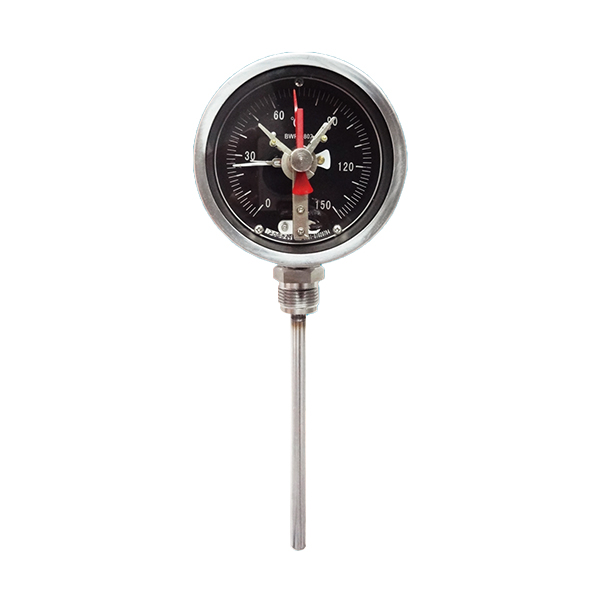
The oil-immersed transformer thermostat operates on the principle of thermal expansion, utilizing a temperature-sensitive bulb filled with specialized fluid that expands or contracts based on oil temperature variations. This mechanical response triggers switching mechanisms that control cooling fans, oil pumps, or alarm systems. The thermostat typically consists of a capillary tube system, Bourdon tube mechanism, and adjustable contact assemblies that provide multiple temperature set points for different operational requirements. Understanding these fundamental components helps technicians identify potential failure modes and implement appropriate maintenance strategies.
Modern oil-immersed transformer thermostat designs incorporate precision-engineered materials that ensure consistent thermal response across varying ambient conditions. The temperature sensing element must maintain accuracy within tight tolerances to prevent false alarms or inadequate cooling activation. These devices typically feature adjustable differential settings that prevent rapid cycling of cooling equipment while maintaining precise temperature control. The mechanical nature of these thermostats provides inherent reliability advantages over electronic alternatives, particularly in high electromagnetic interference environments common around power transformers.
Temperature Monitoring Requirements
Transformer oil temperature monitoring requires careful consideration of measurement location, response time, and accuracy requirements. The oil-immersed transformer thermostat must be positioned to accurately reflect the hottest oil temperature while avoiding localized heating effects from nearby equipment or direct solar exposure. Industry standards typically specify thermostat placement in the upper portion of the transformer tank where heated oil naturally accumulates. Proper installation ensures representative temperature measurement that correlates with actual transformer loading conditions.
Response time characteristics of the oil-immersed transformer thermostat significantly impact cooling system effectiveness and transformer protection. Fast response times enable rapid detection of temperature increases during sudden load changes or fault conditions. However, excessive sensitivity can lead to unnecessary cooling system cycling and increased maintenance requirements. Optimal thermostat selection balances rapid fault detection with stable operation during normal load variations. Temperature measurement accuracy typically ranges within ±2°C to ensure reliable protection coordination with other transformer monitoring systems.
Installation Best Practices for Reliable Operation
Proper Mounting and Positioning
Successful oil-immersed transformer thermostat installation begins with proper mounting location selection and mechanical securing. The thermostat housing must be mounted on a stable surface that minimizes vibration transmission while providing adequate accessibility for maintenance activities. Mounting brackets should be constructed from materials compatible with the transformer environment, including resistance to oil contamination and weather exposure. Proper alignment ensures accurate temperature sensing and prevents mechanical stress on capillary connections that could lead to premature failure.
The temperature sensing bulb of the oil-immersed transformer thermostat requires careful positioning within the transformer oil to ensure representative temperature measurement. Installation depth should place the sensing element in the main oil circulation path while avoiding interference with internal transformer components. Adequate clearance from tank walls and other structures prevents localized heating effects that could cause inaccurate readings. The capillary tube routing must avoid sharp bends or potential damage points while maintaining proper support along its entire length.
Electrical Connection Standards
Electrical connections for oil-immersed transformer thermostat systems require adherence to strict wiring standards and protection protocols. All control circuits must be properly isolated from high-voltage transformer circuits while maintaining reliable operation under various environmental conditions. Wire selection should account for temperature ratings, oil resistance, and mechanical flexibility requirements. Terminal connections must be properly torqued and protected against corrosion to ensure long-term reliability in outdoor transformer installations.
Grounding and bonding considerations for the oil-immersed transformer thermostat system help prevent electrical interference and ensure personnel safety during maintenance activities. Control circuit grounding should follow established utility practices while avoiding ground loops that could introduce measurement errors. Surge protection devices may be required in areas with high lightning activity to prevent thermostat damage from induced voltages. Proper documentation of all electrical connections facilitates troubleshooting and maintenance activities throughout the thermostat service life.
Calibration and Testing Procedures
Initial Calibration Requirements
Accurate calibration of the oil-immersed transformer thermostat ensures reliable temperature monitoring and proper cooling system operation throughout the device service life. Initial calibration should be performed using certified temperature standards and precision measurement equipment traceable to national standards. The calibration process typically involves exposing the sensing element to known temperatures while verifying switch point accuracy and differential settings. Documentation of calibration results provides baseline data for future comparison and helps identify gradual drift or sudden changes in thermostat performance.
Temperature set point verification for the oil-immersed transformer thermostat requires systematic testing of all switching functions including fan start, alarm activation, and emergency shutdown points. Each set point should be tested in both rising and falling temperature directions to verify proper differential operation. Hysteresis characteristics must be documented to ensure adequate margin between switching points while preventing excessive temperature swings during normal operation. Calibration certificates should include uncertainty statements and recommended recalibration intervals based on application requirements.
Periodic Testing Protocols
Regular testing of oil-immersed transformer thermostat systems helps identify potential problems before they impact transformer protection or cooling system operation. Test protocols should include functional verification of all temperature switches, alarm circuits, and associated control equipment. Visual inspection of the sensing bulb, capillary tube, and housing components can reveal signs of oil leakage, corrosion, or mechanical damage that require immediate attention. Test documentation should include temperature readings, switch operation verification, and any observations that might indicate developing problems.
Comparative testing methods using portable temperature measurement devices help verify oil-immersed transformer thermostat accuracy during routine maintenance visits. Independent temperature measurement allows detection of calibration drift without removing the thermostat from service. Test results should be compared against historical data to identify trends that might indicate gradual deterioration or environmental effects. Any significant deviations from expected performance should trigger detailed investigation and potential recalibration or replacement activities.
Maintenance and Troubleshooting Strategies
Preventive Maintenance Schedule
Comprehensive preventive maintenance for oil-immersed transformer thermostat systems includes regular inspection, cleaning, and functional testing activities designed to maximize service life and reliability. Monthly visual inspections should check for obvious signs of damage, corrosion, or oil contamination while verifying proper mechanical mounting and electrical connections. Quarterly functional tests can verify temperature switch operation without requiring detailed calibration procedures. Annual detailed inspections may include disassembly and cleaning of accessible components along with comprehensive electrical testing.
Environmental factors significantly impact oil-immersed transformer thermostat maintenance requirements, particularly in coastal areas with salt exposure or industrial locations with airborne contaminants. Cleaning procedures should address specific environmental challenges while avoiding damage to sensitive components. Protective coatings or enclosures may be required in severe environments to maintain acceptable service life. Maintenance scheduling should account for seasonal variations in temperature and humidity that can affect thermostat performance and longevity.
Common Failure Modes and Solutions
Mechanical failures in oil-immersed transformer thermostat systems often involve capillary tube damage, sensing bulb leakage, or switch contact deterioration. Capillary tube failures typically result from installation damage, vibration fatigue, or corrosion at connection points. Visual inspection can often identify these problems before they cause complete failure. Sensing bulb leakage may be indicated by erratic temperature readings or complete loss of switching function. Switch contact problems usually manifest as intermittent operation or failure to make reliable electrical connections during temperature changes.
Electrical troubleshooting of oil-immersed transformer thermostat circuits requires systematic analysis of control wiring, contact resistance, and insulation integrity. Voltage and continuity measurements can identify open circuits, short circuits, or high resistance connections that affect reliable operation. Insulation testing helps detect moisture ingress or aging effects that could lead to electrical failures. Contact resistance measurements can identify deteriorated switch contacts before they cause operational problems. Replacement of individual components may be possible for some thermostat designs, while others require complete unit replacement when major components fail.
Performance Optimization and Efficiency Enhancement
Temperature Set Point Optimization
Optimizing oil-immersed transformer thermostat set points requires careful analysis of transformer loading patterns, ambient temperature variations, and cooling system characteristics. Conservative set points provide maximum transformer protection but may result in excessive cooling system operation and increased energy consumption. Aggressive set points minimize cooling costs but may compromise transformer longevity if temperature limits are approached too closely. Optimal settings balance protection requirements with operational efficiency while maintaining adequate safety margins for unexpected operating conditions.
Load profile analysis helps determine appropriate oil-immersed transformer thermostat settings for specific applications and seasonal variations. Historical data on transformer loading, ambient temperatures, and cooling system operation can reveal opportunities for set point optimization without compromising safety. Advanced monitoring systems may provide real-time data that enables dynamic set point adjustment based on actual operating conditions. This approach maximizes cooling system efficiency while maintaining appropriate transformer protection under all loading scenarios.
Integration with Modern Monitoring Systems
Modern digital monitoring systems can enhance oil-immersed transformer thermostat functionality by providing remote monitoring, data logging, and predictive maintenance capabilities. Integration typically involves adding temperature transmitters or digital interfaces that convert mechanical switch outputs to electronic signals suitable for SCADA systems. This enhancement enables continuous monitoring of temperature trends, alarm logging, and automated reporting of thermostat performance. Remote monitoring capabilities reduce maintenance costs while improving response time to potential problems.
Data analysis capabilities of integrated monitoring systems help optimize oil-immersed transformer thermostat performance through trend analysis and predictive maintenance algorithms. Historical temperature data can reveal patterns that indicate developing problems or opportunities for improved efficiency. Automated alarm systems can notify operators of temperature excursions or thermostat malfunctions before they impact transformer operation. Advanced systems may include machine learning algorithms that adapt to changing operating conditions and optimize cooling system operation automatically.
FAQ
What is the typical accuracy range for oil-immersed transformer thermostats?
Most oil-immersed transformer thermostat systems provide temperature measurement accuracy within ±2°C to ±5°C depending on the specific model and calibration requirements. Higher precision units designed for critical applications may achieve ±1°C accuracy. The accuracy specification should include both the sensing element and switching mechanism tolerances. Regular calibration helps maintain specified accuracy throughout the service life of the device.
How often should oil-immersed transformer thermostats be calibrated?
Industry standards typically recommend calibration intervals of 2-5 years for oil-immersed transformer thermostat systems depending on application criticality and environmental conditions. More frequent calibration may be required in severe environments or for critical applications. Some utilities perform annual functional checks with detailed calibration every 3-5 years. The calibration schedule should be based on historical performance data and manufacturer recommendations.
Can oil-immersed transformer thermostats operate reliably in extreme weather conditions?
Properly selected oil-immersed transformer thermostat systems can operate reliably in extreme weather conditions ranging from -40°C to +85°C ambient temperatures. Special materials and protective enclosures may be required for severe environments including high humidity, salt exposure, or extreme temperature cycling. The thermostat housing and electrical components should be rated for outdoor service with appropriate ingress protection ratings.
What are the most common causes of oil-immersed transformer thermostat failure?
The most common failure modes include capillary tube damage from installation or maintenance activities, sensing bulb fluid leakage due to corrosion or mechanical stress, and electrical contact deterioration from environmental exposure or normal wear. Improper installation, inadequate maintenance, and exposure to extreme environmental conditions significantly increase failure rates. Regular inspection and proper installation techniques help minimize these failure modes and extend service life.
Table of Contents
- Understanding Oil-immersed Transformer Thermostat Fundamentals
- Installation Best Practices for Reliable Operation
- Calibration and Testing Procedures
- Maintenance and Troubleshooting Strategies
- Performance Optimization and Efficiency Enhancement
-
FAQ
- What is the typical accuracy range for oil-immersed transformer thermostats?
- How often should oil-immersed transformer thermostats be calibrated?
- Can oil-immersed transformer thermostats operate reliably in extreme weather conditions?
- What are the most common causes of oil-immersed transformer thermostat failure?