 EN
EN
Essential Guide to Temperature Controller Maintenance in Industrial Settings
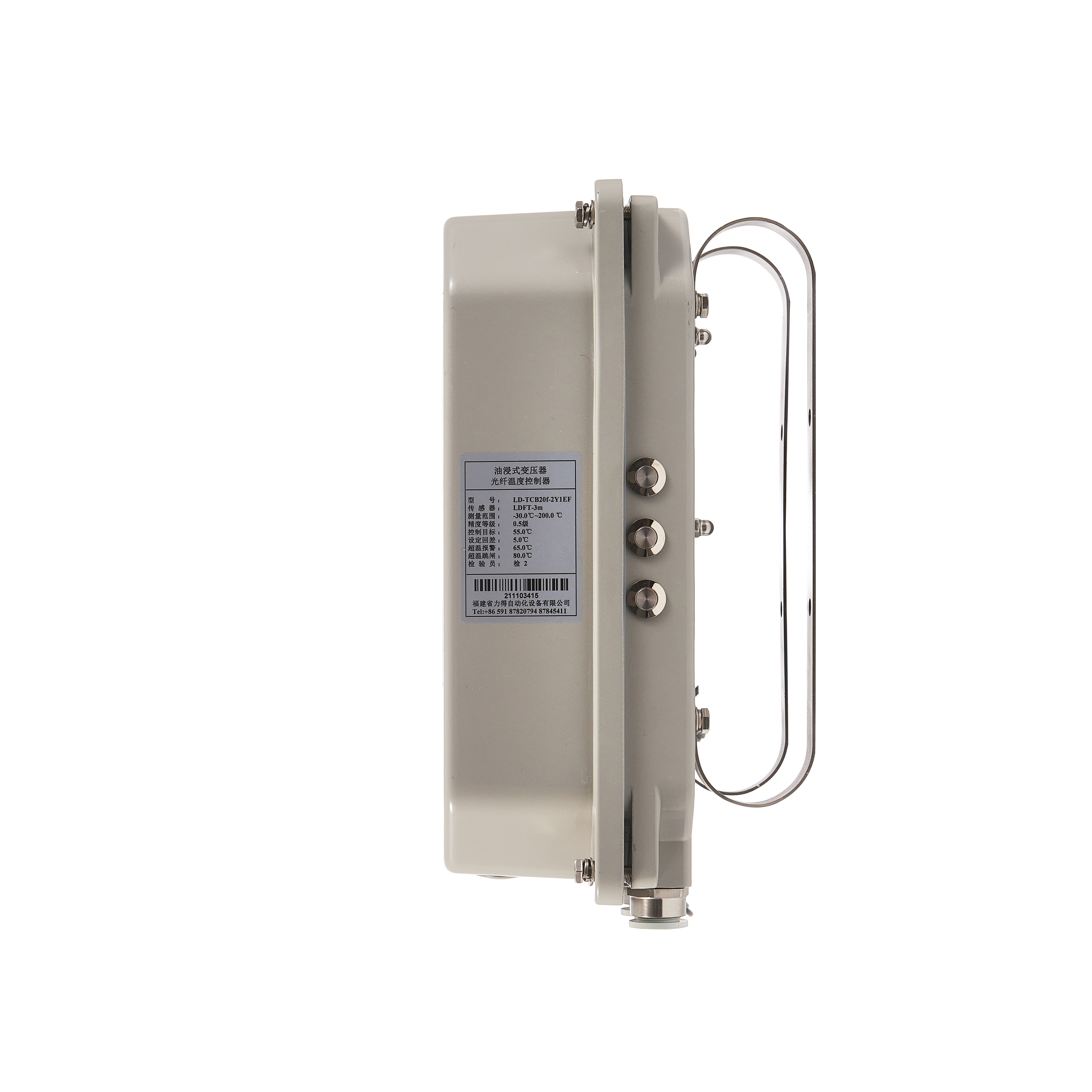
Winding temperature controllers play a crucial role in protecting valuable electrical equipment and ensuring optimal performance in industrial operations. These sophisticated devices monitor and regulate the temperature of transformer windings, motors, and other critical electrical components. Understanding proper maintenance and servicing techniques is essential for maintaining system reliability and preventing costly failures.
In today's industrial landscape, where equipment downtime can result in significant financial losses, maintaining winding temperature controllers has become more important than ever. This comprehensive guide explores the best practices, common challenges, and expert recommendations for keeping these vital components in peak operating condition.
Understanding Winding Temperature Controller Components
Primary Sensing Elements
The heart of winding temperature controllers lies in their sensing elements. These typically include resistance temperature detectors (RTDs), thermocouples, or thermistors that continuously monitor winding temperatures. Regular calibration and inspection of these sensors ensure accurate temperature readings and proper system response.
Modern winding temperature controllers often incorporate redundant sensing elements to provide backup monitoring capabilities. This redundancy helps prevent system failures and ensures continuous protection of valuable equipment. Understanding the specific characteristics and maintenance requirements of these sensing elements is crucial for optimal performance.
Control Circuit Maintenance
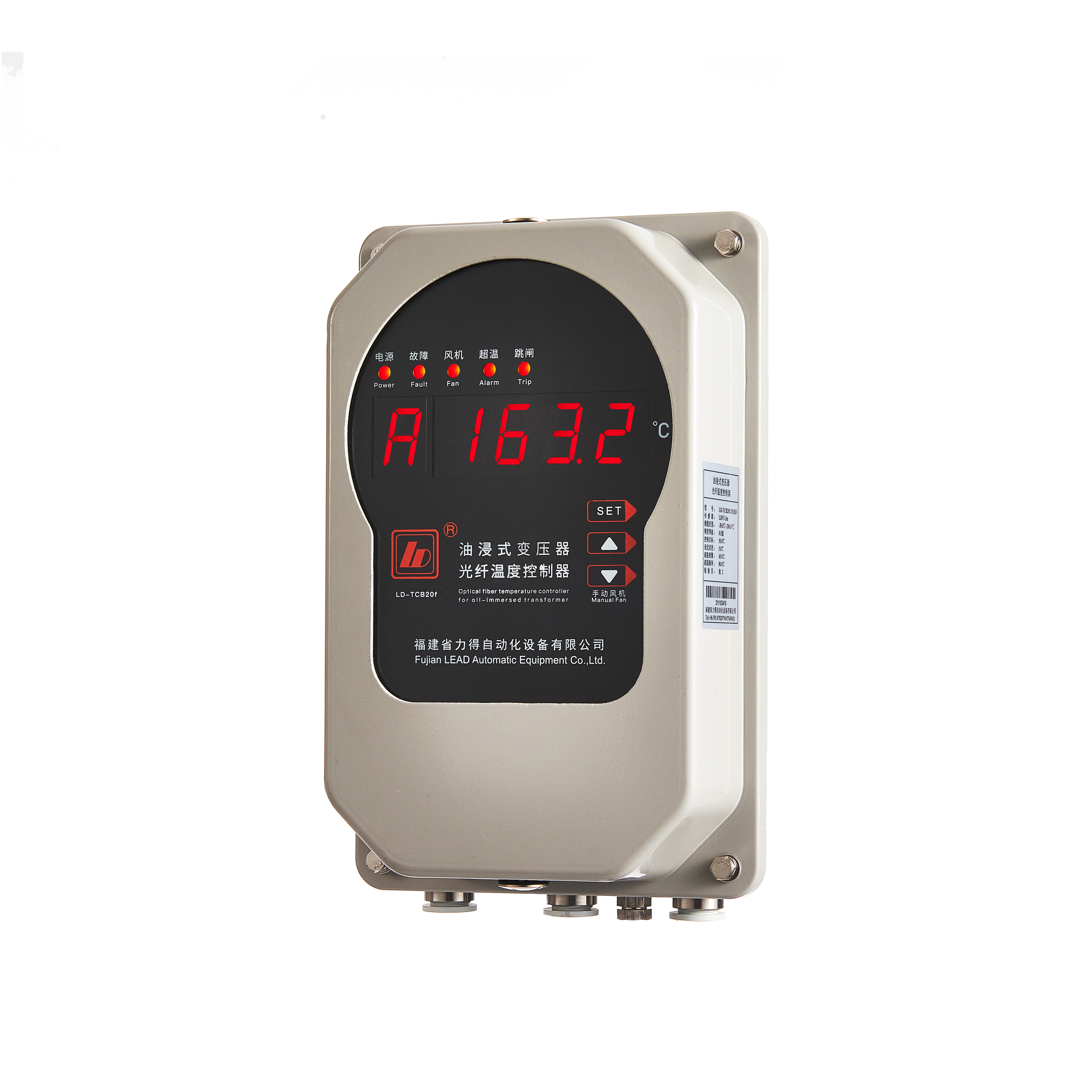
The control circuitry in winding temperature controllers requires regular inspection and maintenance to ensure reliable operation. This includes checking electrical connections, verifying signal processing accuracy, and testing alarm functions. Technicians should pay special attention to relay contacts, which can deteriorate over time due to repeated switching operations.
Regular cleaning of circuit boards and components helps prevent dust accumulation and potential thermal issues. Additionally, periodic verification of power supply stability and backup systems ensures uninterrupted controller operation during critical processes.
Preventive Maintenance Strategies
Scheduled Inspection Protocols
Implementing a systematic inspection schedule is fundamental for maintaining winding temperature controllers. This includes visual inspections for physical damage, loose connections, or signs of overheating. Documentation of inspection findings helps track equipment health and identify emerging issues before they become critical.
Regular testing of alarm systems and safety shutdowns ensures these critical protective functions will operate when needed. Maintenance teams should also verify the accuracy of temperature displays and recorded data to maintain system reliability.
Calibration Requirements
Proper calibration of winding temperature controllers is essential for accurate temperature monitoring and control. Calibration intervals typically depend on operating conditions, equipment specifications, and regulatory requirements. Using certified calibration equipment and maintaining detailed records helps ensure compliance and reliability.
Advanced calibration procedures may include multi-point verification across the operating temperature range and validation of temperature compensation algorithms. These steps help maintain measurement accuracy under varying operating conditions.
Troubleshooting Common Issues
Diagnostic Procedures
When problems arise with winding temperature controllers, following systematic diagnostic procedures helps identify root causes quickly. This includes verifying power supply stability, checking sensor connections, and analyzing controller response to temperature changes. Maintenance personnel should be trained in using diagnostic tools and interpreting error codes.
Documentation of troubleshooting steps and outcomes provides valuable information for future maintenance and helps identify recurring issues that may require system modifications or upgrades.
Component Replacement Guidelines
When replacement of controller components becomes necessary, following proper procedures ensures successful repair and continued reliable operation. This includes using manufacturer-approved parts, proper handling of sensitive components, and thorough testing after replacement.
Maintaining an inventory of critical spare parts helps minimize downtime during repairs. Understanding component compatibility and proper installation techniques is essential for maintenance personnel.
Modern Maintenance Technologies
Remote Monitoring Solutions
Advanced winding temperature controllers now incorporate remote monitoring capabilities, allowing maintenance teams to track performance and receive alerts from anywhere. These systems can predict potential issues before they cause equipment failure, enabling proactive maintenance scheduling.
Integration with plant management systems provides comprehensive monitoring and data analysis capabilities. This technology helps optimize maintenance schedules and reduce unnecessary equipment inspections.
Predictive Maintenance Tools
Modern predictive maintenance tools use artificial intelligence and machine learning to analyze controller performance data and predict potential failures. These systems can identify subtle changes in operating parameters that may indicate developing problems, allowing maintenance teams to address issues before they become critical.
Implementation of predictive maintenance strategies has shown significant benefits in reducing unplanned downtime and extending equipment life. The integration of these tools with existing maintenance programs requires careful planning and staff training.
Frequently Asked Questions
How often should winding temperature controllers be calibrated?
The calibration frequency depends on several factors, including operating conditions, manufacturer recommendations, and industry standards. Generally, annual calibration is recommended, but some applications may require more frequent verification. Always consult equipment documentation and relevant industry standards for specific requirements.
What are the signs of failing temperature sensors?
Common indicators include erratic temperature readings, slow response to temperature changes, and deviation between redundant sensors. Regular comparison with calibrated reference instruments can help identify sensor degradation before failure occurs.
How can maintenance costs be optimized while ensuring reliability?
Implementing condition-based maintenance strategies, utilizing remote monitoring capabilities, and maintaining comprehensive maintenance records helps optimize costs. Regular training of maintenance personnel and proper documentation of procedures also contributes to cost-effective maintenance programs while maintaining system reliability.