 EN
EN
Essential Guidelines for Installing Temperature Control Systems in Industrial Oil Processing
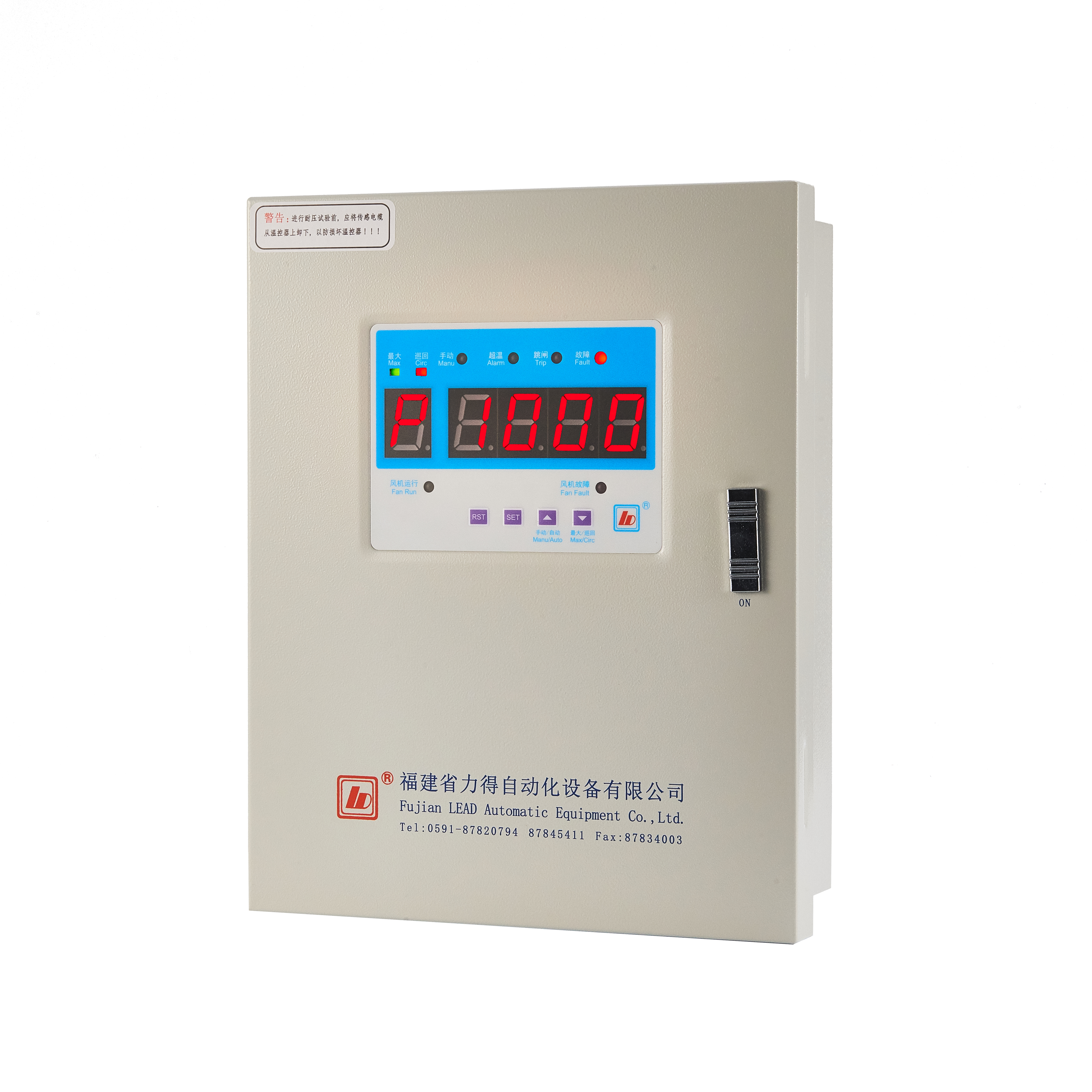
Proper installation of oil surface temperature controllers is crucial for maintaining optimal operational efficiency and safety in industrial processes. These sophisticated control systems play a vital role in managing heat distribution, preventing equipment damage, and ensuring consistent product quality. Understanding the correct installation procedures and best practices can significantly impact the performance and longevity of your temperature control system.
Pre-Installation Planning and Assessment
Site Evaluation and System Requirements
Before beginning the installation process, a thorough site evaluation must be conducted. This includes assessing the physical space, existing infrastructure, and environmental conditions where the oil surface temperature controllers will be installed. Consider factors such as ambient temperature ranges, humidity levels, and potential exposure to corrosive substances that could affect the controller's performance.
Technical requirements must also be carefully reviewed, including power supply specifications, compatibility with existing equipment, and the necessary communication protocols. This assessment helps prevent potential issues and ensures smooth integration with your facility's current systems.
Component Verification and Documentation
A comprehensive inventory of all system components should be performed upon delivery. This includes checking for any shipping damage and verifying that all necessary parts, sensors, and mounting hardware are present. Maintain detailed documentation of serial numbers, calibration certificates, and warranty information for future reference.
Review all technical documentation, including manufacturer specifications, wiring diagrams, and installation manuals. Having these resources readily available during installation will help avoid costly mistakes and delays.
Physical Installation Process
Mounting and Positioning Considerations
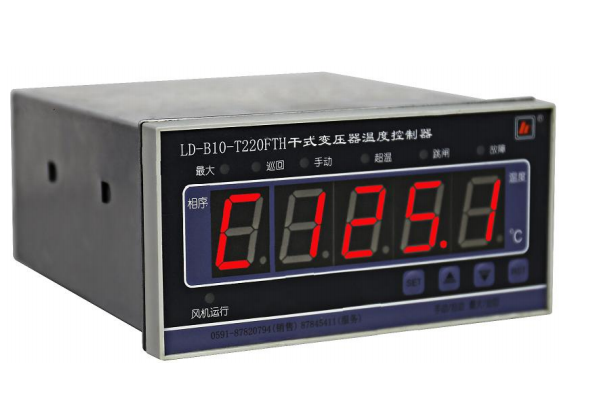
Proper mounting of oil surface temperature controllers requires careful attention to location and accessibility. The controller should be installed in a position that allows easy access for maintenance while protecting it from potential physical damage or exposure to harsh conditions. Consider vibration isolation methods if the installation area is subject to significant mechanical movement.
Ensure adequate clearance around the controller for proper ventilation and heat dissipation. The mounting surface should be stable and level, capable of supporting the weight of the controller and associated components. Use appropriate mounting brackets and hardware as specified by the manufacturer.
Sensor Placement and Wiring
Correct sensor placement is critical for accurate temperature monitoring and control. Temperature sensors should be installed at strategic locations that provide representative readings of the oil surface temperature. Consider factors such as flow patterns, heat distribution, and potential dead zones when determining sensor locations.
Wiring must be properly routed and protected from physical damage, heat exposure, and electromagnetic interference. Use appropriate cable types and sizes as specified in the installation manual, and maintain proper separation between power and signal wiring to prevent interference.
System Configuration and Integration
Controller Programming and Setup
Once physical installation is complete, the controller must be properly configured for your specific application. This includes setting control parameters, alarm limits, and communication protocols. Many modern oil surface temperature controllers offer multiple control modes and advanced features that require careful setup to optimize performance.
Programming should be performed by qualified personnel who understand both the controller's capabilities and the process requirements. Document all configuration settings and maintain backup copies of the programming for future reference.
Communication and Network Integration
Modern oil surface temperature controllers often integrate with broader control systems and networks. Ensure proper configuration of communication protocols, network addresses, and security settings. Test all communication links thoroughly before commissioning the system.
Consider implementing redundancy measures for critical communication paths and establish clear procedures for handling communication failures or data loss scenarios.
Testing and Commissioning
Initial System Verification
Before starting up the system, perform comprehensive testing of all components and connections. This includes checking sensor readings, verifying control outputs, and ensuring proper operation of safety features. Document all test results and address any issues before proceeding with full commissioning.
Conduct a thorough safety review to verify that all emergency shutdown systems and alarms are functioning correctly. Test response times and verify that the system reacts appropriately to various fault conditions.
Performance Validation and Tuning
Once basic functionality is confirmed, proceed with system tuning and optimization. This may involve adjusting PID parameters, fine-tuning control loops, and optimizing response characteristics for your specific application. Monitor system performance under various operating conditions and make adjustments as needed.
Document the final tuning parameters and system performance metrics for future reference. Establish baseline measurements that can be used to track system performance over time.
Maintenance and Support Planning
Preventive Maintenance Schedules
Develop a comprehensive maintenance plan that includes regular inspections, calibration checks, and preventive maintenance tasks. Schedule routine maintenance activities based on manufacturer recommendations and operational requirements. Include procedures for cleaning sensors, checking electrical connections, and verifying system accuracy.
Maintain detailed maintenance records and establish clear procedures for addressing common issues. Train maintenance personnel on proper troubleshooting techniques and safety procedures.
Documentation and Training Requirements
Prepare complete system documentation including as-built drawings, configuration settings, and maintenance procedures. Establish training programs for operators and maintenance personnel to ensure proper system operation and maintenance.
Keep all documentation up to date and easily accessible. Include emergency contact information and procedures for obtaining technical support when needed.
Frequently Asked Questions
How often should oil surface temperature controllers be calibrated?
Calibration frequency depends on several factors including the application requirements, environmental conditions, and manufacturer recommendations. Generally, a minimum annual calibration is recommended, with more frequent checks in critical applications or harsh environments.
What are the common signs of controller malfunction?
Common indicators include erratic temperature readings, slow response times, excessive deviation from setpoints, unusual noise or vibration, and communication errors. Regular monitoring of these parameters can help identify potential issues before they become serious problems.
Can existing temperature control systems be upgraded without full replacement?
Many systems can be partially upgraded by replacing specific components or adding new features while maintaining existing infrastructure. However, careful evaluation of compatibility and performance requirements is essential when planning any system upgrade.