 EN
EN
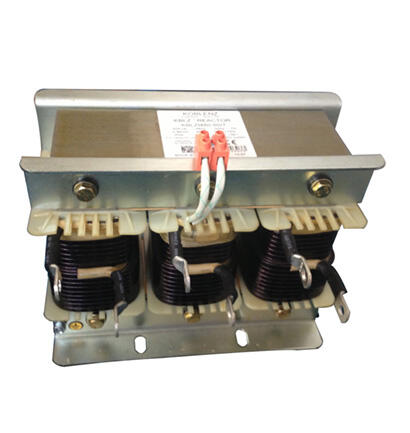
The modern electrical grid demands sophisticated monitoring and control systems to ensure reliable power distribution. Advanced temperature control solutions for electrical equipment have become critical infrastructure components, particularly for high-voltage applications. Smart thermostatic devices now integrate seamlessly with digital networks, providing real-time data and automated responses that enhance operational safety and efficiency across industrial facilities.
Remote Monitoring Architecture and Data Transmission Protocols
Network Communication Standards
Contemporary monitoring systems utilize multiple communication protocols to establish reliable data pathways between field devices and control centers. Ethernet-based connections provide high-speed data transfer, while RS485 serial communication offers robust performance in electrically noisy environments. Wireless technologies including 4G/5G cellular networks enable monitoring in remote locations where traditional wired infrastructure proves impractical or costly to implement.
Protocol selection significantly impacts system reliability and maintenance requirements. Modbus TCP/IP facilitates standardized communication across diverse equipment manufacturers, ensuring interoperability in mixed-vendor installations. DNP3 protocol provides advanced security features and time-synchronization capabilities essential for critical infrastructure applications. These protocols must accommodate varying data update rates, from continuous streaming for critical parameters to periodic reporting for trending analysis.
Real-Time Data Processing and Storage
Effective remote monitoring requires sophisticated data processing capabilities that can handle multiple simultaneous inputs while maintaining system responsiveness. Edge computing devices perform initial data validation and filtering, reducing network bandwidth requirements and improving response times for local control actions. Cloud-based storage solutions provide scalable capacity for historical data retention and advanced analytics processing.
Data compression techniques optimize transmission efficiency while preserving measurement accuracy. Lossy compression may suffice for trending data, while critical alarm conditions require lossless transmission to maintain integrity. Buffer management systems ensure data continuity during temporary communication interruptions, storing measurements locally until network connectivity resumes and synchronized uploads can proceed.
Temperature Measurement Integration and Sensor Technologies
Multi-Point Temperature Sensing
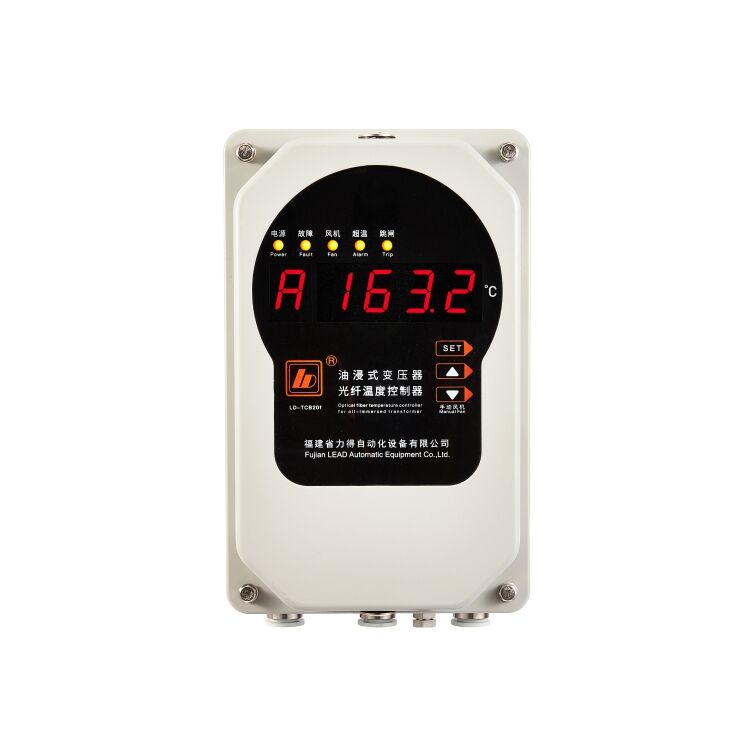
Modern transformer monitoring systems incorporate multiple temperature measurement points to provide comprehensive thermal profiles. Winding temperature sensors offer direct measurement of the hottest operational components, while top-oil temperature monitoring tracks overall thermal conditions. An oil-immersed transformer thermostat coordinates these multiple inputs to provide accurate system-wide temperature management and control decisions.
Fiber optic temperature sensors deliver exceptional accuracy and electromagnetic immunity, making them ideal for high-voltage applications. These sensors can withstand extreme operating conditions while providing continuous temperature data with minimal drift over extended service periods. Redundant sensor configurations ensure measurement continuity even when individual sensors require maintenance or replacement.
Calibration and Accuracy Management
Sensor calibration protocols maintain measurement accuracy throughout the system lifecycle. Automated calibration verification routines compare readings from multiple sensors and identify potential drift conditions before they impact operational decisions. Temperature reference standards enable periodic validation of sensor accuracy without interrupting normal operations.
Environmental compensation algorithms account for ambient temperature variations and seasonal changes that could affect sensor performance. These corrections ensure consistent accuracy across varying operating conditions, from extreme winter cold to summer heat loads that stress electrical equipment beyond normal operating ranges.
Automated Control Logic and Response Systems
Thermal Protection Algorithms
Intelligent control systems implement sophisticated thermal protection algorithms that consider multiple factors beyond simple temperature thresholds. Load-dependent temperature limits account for varying operational conditions, while predictive algorithms anticipate thermal trends before critical conditions develop. These systems integrate historical performance data to refine protection settings and minimize false alarms.
Coordinated control responses ensure proper sequencing of protective actions across interconnected systems. Fan control systems activate cooling equipment in staged responses, optimizing energy consumption while maintaining adequate thermal management. Emergency shutdown procedures execute automatically when temperature conditions exceed safe operating limits, protecting valuable equipment from thermal damage.
Load Management and Efficiency Optimization
Smart thermostatic controls optimize transformer loading based on real-time thermal conditions and forecasted demand patterns. Dynamic loading algorithms calculate safe operating limits that maximize equipment utilization while maintaining thermal margins. These calculations consider ambient temperature, cooling system status, and load duration to determine optimal operating strategies.
Energy efficiency optimization routines adjust cooling system operation to minimize power consumption while maintaining required thermal performance. Variable-speed fan controls and staged cooling activation reduce parasitic losses during light-load conditions. Advanced algorithms balance thermal protection requirements against energy efficiency objectives to achieve optimal overall system performance.
Data Security and Cybersecurity Implementation
Network Security Protocols
Critical infrastructure monitoring systems require robust cybersecurity measures to protect against unauthorized access and malicious attacks. Encrypted communication channels secure data transmission between field devices and control centers, while certificate-based authentication validates device identities before allowing network access. Virtual private networks provide additional security layers for remote monitoring applications.
Regular security updates and patch management ensure protection against emerging threats. Automated vulnerability scanning identifies potential security weaknesses before they can be exploited. Network segmentation isolates critical control systems from general-purpose networks, limiting potential attack vectors and containing security incidents when they occur.
Access Control and User Management
Role-based access control systems ensure that users can only access functions appropriate to their responsibilities and authorization levels. Multi-factor authentication provides additional security for administrative access, while audit trails track all system interactions for security analysis and compliance documentation. Session timeout controls automatically terminate inactive connections to prevent unauthorized access through unattended terminals.
Privileged access management systems control and monitor administrative functions that could impact system security or operation. These systems require additional authorization for sensitive operations and maintain detailed logs of all privileged activities. Regular access reviews ensure that user permissions remain appropriate as organizational roles and responsibilities evolve.
System Integration and Interoperability Standards
SCADA System Integration
Supervisory Control and Data Acquisition systems provide centralized monitoring and control capabilities for distributed transformer installations. Protocol converters enable integration of legacy equipment with modern digital communication networks, extending the useful life of existing infrastructure investments. Standardized data models ensure consistent information representation across diverse equipment types and manufacturers.
Historian systems capture and store operational data for trend analysis, maintenance planning, and regulatory compliance reporting. Time-synchronized data collection enables correlation analysis between different system parameters and operational events. Advanced analytics tools process historical data to identify optimization opportunities and predict maintenance requirements.
Enterprise System Connectivity
Integration with enterprise asset management systems enables coordinated maintenance planning and resource allocation. Work order systems automatically generate maintenance tasks based on equipment condition and operational parameters. Inventory management integration ensures that replacement parts and consumables remain available for scheduled and emergency maintenance activities.
Financial systems integration enables accurate cost tracking for energy consumption, maintenance activities, and equipment lifecycle management. Automated reporting generates performance metrics and cost analysis data for management review and strategic planning. These integrations provide comprehensive visibility into operational performance and associated costs across the entire electrical infrastructure portfolio.
Performance Optimization and Predictive Analytics
Machine Learning Applications
Advanced analytics platforms apply machine learning algorithms to identify patterns in operational data that indicate developing equipment issues. Anomaly detection systems recognize unusual parameter combinations that may precede equipment failures, enabling proactive maintenance interventions. Predictive models estimate remaining useful life for critical components, supporting optimized replacement scheduling and budget planning.
Training data from similar installations improves model accuracy and reduces the time required to establish reliable predictive capabilities for new systems. Continuous learning algorithms refine predictions as additional operational data becomes available, improving accuracy over time. These systems can identify subtle degradation patterns that human operators might overlook during routine monitoring activities.
Operational Efficiency Metrics
Key performance indicators track system efficiency, reliability, and maintenance effectiveness across multiple operational dimensions. Energy efficiency metrics quantify cooling system performance and identify optimization opportunities. Reliability metrics track equipment availability and failure rates, supporting maintenance strategy development and resource allocation decisions.
Benchmark comparisons enable performance evaluation against industry standards and similar installations. Trending analysis identifies gradual performance changes that may indicate developing issues or optimization opportunities. Regular performance reviews ensure that system operation continues to meet operational objectives and regulatory requirements as conditions evolve.
FAQ
How does remote monitoring improve transformer maintenance scheduling
Remote monitoring enables condition-based maintenance by providing continuous visibility into equipment health and performance parameters. Real-time data collection identifies developing issues before they become critical failures, allowing maintenance teams to schedule interventions during planned outages rather than emergency situations. This approach reduces maintenance costs while improving system reliability and equipment lifespan through proactive care.
What communication protocols work best for industrial temperature monitoring
Modbus TCP/IP and DNP3 protocols provide robust communication for industrial applications, offering reliable data transmission and comprehensive security features. Ethernet-based networks deliver high-speed communication for complex installations, while RS485 serial connections offer excellent noise immunity in electrically harsh environments. The optimal protocol selection depends on specific installation requirements, including distance, environmental conditions, and integration needs.
How do smart thermostats integrate with existing SCADA systems
Modern smart thermostatic devices support multiple communication protocols and standardized data formats that facilitate integration with existing SCADA infrastructure. Protocol converters enable connectivity between different communication standards, while OPC servers provide standardized data access for supervisory systems. Configuration tools allow customization of data points and alarm conditions to match existing operational procedures and display formats.
What cybersecurity measures are essential for remote monitoring systems
Essential cybersecurity measures include encrypted communication channels, certificate-based device authentication, and network segmentation to isolate critical control systems. Regular security updates and vulnerability assessments maintain protection against evolving threats. Role-based access control and multi-factor authentication ensure that only authorized personnel can access system functions, while audit trails provide accountability and incident investigation capabilities.
Table of Contents
- Remote Monitoring Architecture and Data Transmission Protocols
- Temperature Measurement Integration and Sensor Technologies
- Automated Control Logic and Response Systems
- Data Security and Cybersecurity Implementation
- System Integration and Interoperability Standards
- Performance Optimization and Predictive Analytics
- FAQ