
 EN
EN
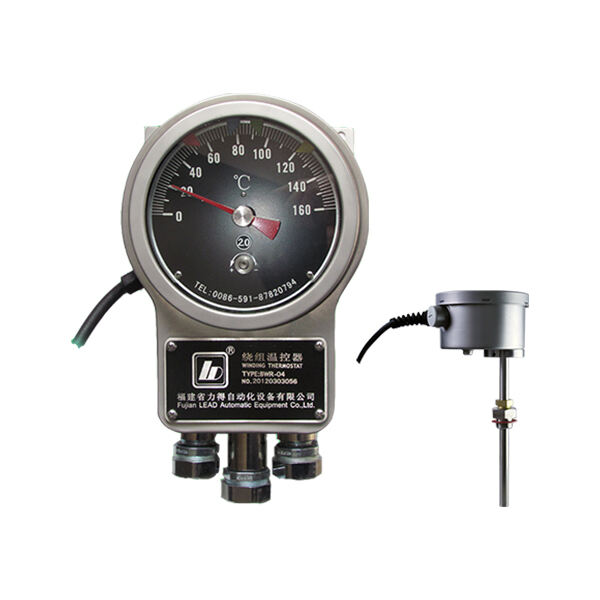
Understanding the Critical Role of Measurement Instruments in Power Systems
In the complex world of electrical power systems, analog panel meters remain indispensable tools for transformer protection and monitoring. These robust measuring instruments have stood the test of time, continuing to serve as reliable guardians of transformer health and performance despite the digital revolution. Their straightforward operation and instantaneous visual feedback make analog panel meters particularly valuable in scenarios where quick decisions can mean the difference between normal operation and catastrophic failure.
The Fundamentals of Analog Panel Meters in Transformer Applications
Essential Components and Operating Principles
At their core, analog panel meters utilized in transformer protection consist of precisely calibrated moving-coil mechanisms, carefully designed scales, and protective housings. The basic operation relies on electromagnetic principles, where current flowing through the meter movement creates a deflection proportional to the measured parameter. This direct correlation between electrical quantities and physical movement provides operators with intuitive readings that can be interpreted at a glance.
The construction of these meters incorporates dampening mechanisms to ensure stable readings even under fluctuating conditions. Precision components, including phosphor bronze springs and jeweled bearings, contribute to the long-term reliability and accuracy that make analog panel meters trustworthy guardians of transformer systems.
Types of Measurements and Protection Parameters
In transformer protection applications, analog panel meters serve multiple measurement functions. Current meters monitor load conditions and potential overload situations, while voltage meters track input and output levels to ensure proper transformation ratios. Power factor meters provide insights into the efficiency of power transfer, and frequency meters help maintain system stability.
Temperature indicators and oil level meters round out the comprehensive monitoring suite, offering critical information about transformer health. These various measurements work together to create a complete picture of transformer operation, enabling operators to detect and respond to potential issues before they become serious problems.

Installation and Integration Considerations
Proper Mounting and Environmental Protection
The effectiveness of analog panel meters in transformer protection begins with proper installation. Mounting considerations include orientation, visibility, and protection from environmental factors. Meters must be installed at eye level when possible, with sufficient lighting for easy reading. Environmental protection measures, such as sealed enclosures and appropriate IP ratings, ensure reliable operation in various conditions.
Vibration isolation and thermal considerations play crucial roles in maintaining accuracy. Proper mounting techniques, including shock-absorbing materials and adequate ventilation, help preserve the precision of these instruments over their operational lifetime.
Circuit Integration and Safety Measures
Integration of analog panel meters into transformer protection circuits requires careful attention to safety and accuracy. Current transformers and potential transformers provide necessary isolation and scaling of measurements to protect both equipment and personnel. Proper fusing and grounding schemes ensure safe operation under all conditions.
The selection of appropriate ranges and scales ensures meaningful readings while protecting the meters from overload conditions. Careful consideration of burden ratings and accuracy classes helps maintain system reliability and measurement precision.
Maintenance and Calibration Protocols
Regular Inspection and Testing Procedures
Maintaining the accuracy and reliability of analog panel meters requires regular inspection and testing. Visual inspections can identify signs of wear, damage, or deterioration that might affect performance. Mechanical checks ensure smooth movement of indicating elements and proper zero adjustment.
Periodic testing against known standards verifies continued accuracy and helps identify any drift in calibration. Documentation of inspection results and maintenance activities creates a valuable history for tracking instrument performance over time.
Calibration Requirements and Standards
Calibration of analog panel meters follows established standards and procedures to ensure accuracy and traceability. Regular calibration intervals, typically annual or bi-annual, help maintain measurement integrity. The calibration process includes verification at multiple points across the meter's range, ensuring linearity and accuracy throughout the scale.
Documentation of calibration results, including as-found and as-left readings, provides important quality assurance records. Traceability to national standards ensures consistency and reliability of measurements across different installations and facilities.
Modern Applications and Future Perspectives
Integration with Digital Systems
While digital systems continue to evolve, analog panel meters maintain their relevance through hybrid applications. Many installations combine the immediate visual feedback of analog displays with digital data acquisition systems. This integration provides the best of both worlds: instant visual indication for operators and detailed data recording for analysis and trending.
Modern analog panel meters often incorporate additional features such as alarm contacts or output signals that can interface with computerized monitoring systems. This adaptability ensures their continued utility in contemporary power system applications.
Emerging Trends and Technologies
The future of analog panel meters in transformer protection continues to evolve with new developments in materials and manufacturing techniques. Enhanced reliability, improved accuracy, and extended service life characterize modern meter designs. Integration with smart grid technologies and IoT systems opens new possibilities for comprehensive monitoring solutions.
Innovations in display technology and measurement techniques may influence future developments, but the fundamental principles and advantages of analog indication ensure a continued role for these instruments in transformer protection applications.
Frequently Asked Questions
How often should analog panel meters be calibrated for transformer protection?
For optimal performance and reliability, analog panel meters used in transformer protection should typically be calibrated annually. However, specific calibration intervals may vary based on environmental conditions, usage patterns, and regulatory requirements. Some applications may require more frequent calibration, especially in critical systems or harsh environments.
What advantages do analog panel meters offer over digital displays?
Analog panel meters provide immediate visual trend indication, making it easy to spot rapid changes or developing problems. They operate without power supplies, offering reliable operation during power disturbances. Their simple mechanical construction often results in longer service life and greater reliability in harsh industrial environments.
How can accuracy be maintained in challenging environmental conditions?
Maintaining accuracy in challenging environments requires proper installation, regular maintenance, and appropriate protection measures. This includes using sealed enclosures, implementing temperature compensation, providing adequate vibration isolation, and conducting more frequent calibration checks. Additionally, selecting meters with appropriate environmental ratings for the specific application conditions is crucial.