 EN
EN
Understanding the Critical Role of Cooling in Transformer Performance
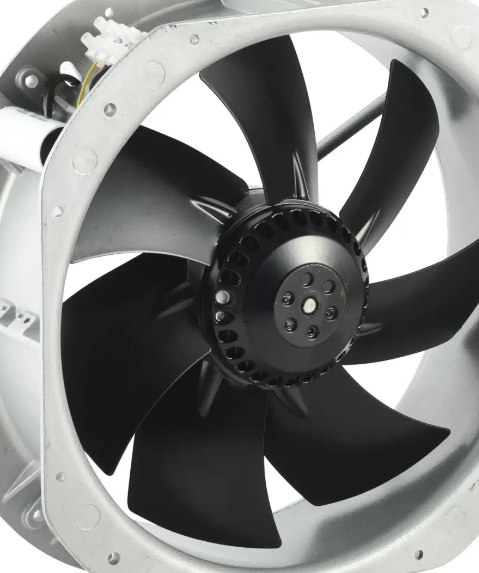
Power transformers are vital components in electrical distribution systems, but their efficiency and longevity depend heavily on proper cooling mechanisms. Among various cooling methods, transformer cooling fans play an essential role in maintaining optimal operating temperatures and ensuring reliable performance. These specialized cooling systems help dissipate heat generated during the transformation process, preventing potential damage and extending equipment life.
The heat generated within transformers comes primarily from core losses and copper losses during operation. Without adequate cooling, this heat buildup can lead to reduced efficiency, accelerated aging of insulation materials, and even catastrophic failure. Modern transformer cooling fans are designed to provide controlled airflow that efficiently removes excess heat, maintaining safe operating temperatures even under heavy loads.
Fundamental Principles of Transformer Cooling Systems
Natural Air Circulation vs. Forced Air Cooling
Transformer cooling begins with natural air circulation, where heat naturally rises and creates convection currents. However, as power demands increase, natural cooling often proves insufficient. This is where transformer cooling fans become crucial, providing forced air circulation that significantly enhances heat dissipation. The forced air cooling method can handle higher power ratings and maintain lower operating temperatures compared to natural cooling alone.
The transition from natural to forced air cooling represents a significant advancement in transformer technology. By implementing strategically placed fans, transformers can operate at higher capacities while maintaining safe temperature levels. This forced air system creates a consistent and controlled cooling environment that natural circulation cannot achieve.
Heat Exchange Mechanisms in Forced Air Systems
The heat exchange process in transformer cooling fans involves multiple mechanisms working in harmony. The fans create air movement across radiator fins or cooling tubes, increasing the rate of heat transfer from the transformer oil to the surrounding air. This enhanced heat exchange capability allows transformers to handle greater loads while maintaining optimal temperature ranges.
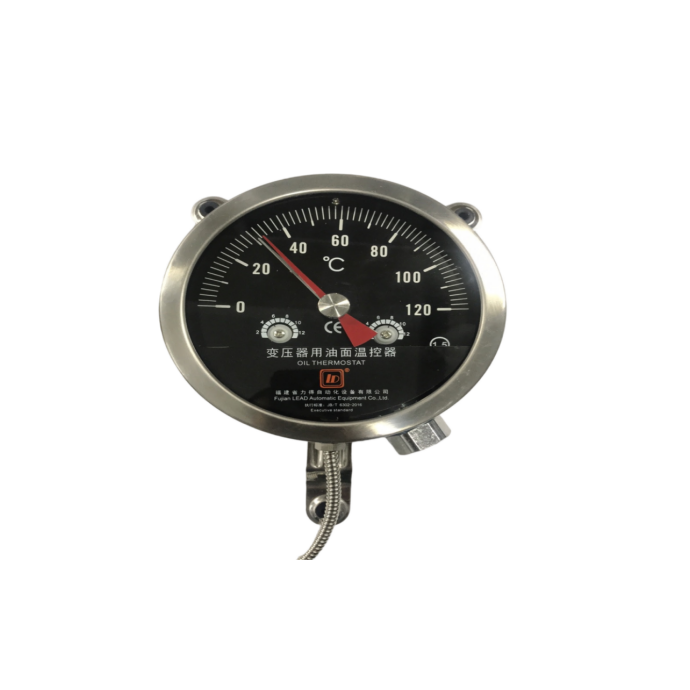
Modern cooling systems often incorporate temperature sensors and control systems that automatically adjust fan operation based on real-time temperature measurements. This smart approach to cooling ensures efficient operation while minimizing energy consumption and wear on cooling components.
Advanced Cooling Fan Technologies and Configurations
Strategic Fan Placement and Design Considerations
The effectiveness of transformer cooling fans heavily depends on their placement and design. Engineers carefully position fans to create optimal airflow patterns that maximize cooling efficiency. Modern designs often utilize computational fluid dynamics (CFD) analysis to determine the most effective fan arrangements and air flow patterns.
Fan blade design has evolved significantly, with newer models featuring aerodynamic profiles that reduce noise while improving cooling efficiency. The selection of fan size, speed, and quantity is calculated based on the transformer's specific cooling requirements and operating conditions.
Monitoring and Control Systems Integration
Advanced transformer cooling systems incorporate sophisticated monitoring and control mechanisms. These systems continuously track various parameters including temperature, oil level, and fan performance. Real-time monitoring allows for immediate response to changing conditions, ensuring optimal cooling efficiency at all times.
Modern control systems can adjust fan speed and operation patterns based on load conditions and ambient temperature. This adaptive approach helps optimize energy consumption while maintaining effective cooling performance. Additionally, these systems often include predictive maintenance capabilities, helping identify potential issues before they become critical.
Maintenance and Optimization of Cooling Fan Systems
Regular Maintenance Procedures
Maintaining transformer cooling fans is crucial for ensuring reliable operation. Regular maintenance includes inspecting fan bearings, cleaning fan blades, and checking motor conditions. Technicians must also verify proper alignment and secure mounting of all components to prevent vibration and ensure optimal performance.
Scheduled maintenance activities should include thermal imaging inspections to identify hot spots or irregular temperature patterns. This proactive approach helps prevent unexpected failures and maintains cooling system efficiency over time.
Performance Optimization Strategies
Optimizing cooling fan performance involves regular assessment and adjustment of operating parameters. This includes analyzing temperature trends, airflow patterns, and system response times. Engineers can fine-tune control settings based on these assessments to achieve optimal cooling efficiency.
Modern optimization strategies also incorporate energy efficiency considerations, balancing cooling requirements with power consumption. This might involve implementing variable speed controls or scheduling maintenance during optimal weather conditions.
Future Trends in Transformer Cooling Technology
Smart Cooling Systems and IoT Integration
The future of transformer cooling fans lies in smart technology integration. Internet of Things (IoT) sensors and advanced analytics are being incorporated to provide real-time monitoring and predictive maintenance capabilities. These smart systems can automatically adjust cooling parameters based on historical data and current conditions.
Artificial intelligence and machine learning algorithms are being developed to optimize cooling operations further. These systems can predict maintenance needs and adjust cooling strategies based on patterns learned from operational data.
Environmental Considerations and Efficiency Improvements
Environmental sustainability is becoming increasingly important in transformer cooling design. New fan technologies focus on reducing energy consumption while maintaining effective cooling performance. This includes the development of more efficient motor designs and improved airflow management systems.
Future developments may also include hybrid cooling solutions that combine traditional forced air cooling with innovative heat dissipation technologies. These advancements aim to improve overall system efficiency while reducing environmental impact.
Frequently Asked Questions
How do transformer cooling fans impact overall system efficiency?
Transformer cooling fans significantly improve system efficiency by maintaining optimal operating temperatures. This results in reduced power losses, extended equipment life, and more reliable operation. Proper cooling can increase transformer efficiency by several percentage points, leading to substantial energy savings over time.
What are the signs that transformer cooling fans need maintenance?
Key indicators include unusual noise or vibration, increased operating temperatures, reduced cooling effectiveness, and irregular fan operation patterns. Regular monitoring of these parameters helps identify maintenance needs before serious issues develop.
How often should transformer cooling fans be inspected?
Professional inspection of transformer cooling fans should be conducted at least quarterly, with more frequent checks in demanding environments or critical applications. Regular visual inspections should be performed monthly, while comprehensive maintenance might be scheduled annually or semi-annually depending on operating conditions.
What environmental factors affect cooling fan performance?
Ambient temperature, humidity, altitude, air quality, and surrounding airflow patterns all impact cooling fan performance. These factors must be considered during system design and maintenance planning to ensure optimal cooling efficiency in various operating conditions.
Table of Contents
- Understanding the Critical Role of Cooling in Transformer Performance
- Fundamental Principles of Transformer Cooling Systems
- Advanced Cooling Fan Technologies and Configurations
- Maintenance and Optimization of Cooling Fan Systems
- Future Trends in Transformer Cooling Technology
- Frequently Asked Questions