 EN
EN
Understanding Temperature Management in Oil-Immersed Transformers
Temperature control plays a vital role in maintaining the operational efficiency and longevity of oil-immersed transformers. These critical power distribution components require precise temperature monitoring and control to prevent overheating, extend equipment life, and ensure reliable performance. The temperature controller serves as the brain of the thermal management system, making its selection a crucial decision for engineers and facility managers.
Modern temperature controllers offer sophisticated features that go beyond basic temperature monitoring. They integrate advanced algorithms, multiple sensor inputs, and intelligent control mechanisms to maintain optimal operating conditions. Understanding how to select the right temperature controller can significantly impact your transformer's performance and maintenance costs.
Essential Features of Temperature Controllers
Monitoring and Display Capabilities
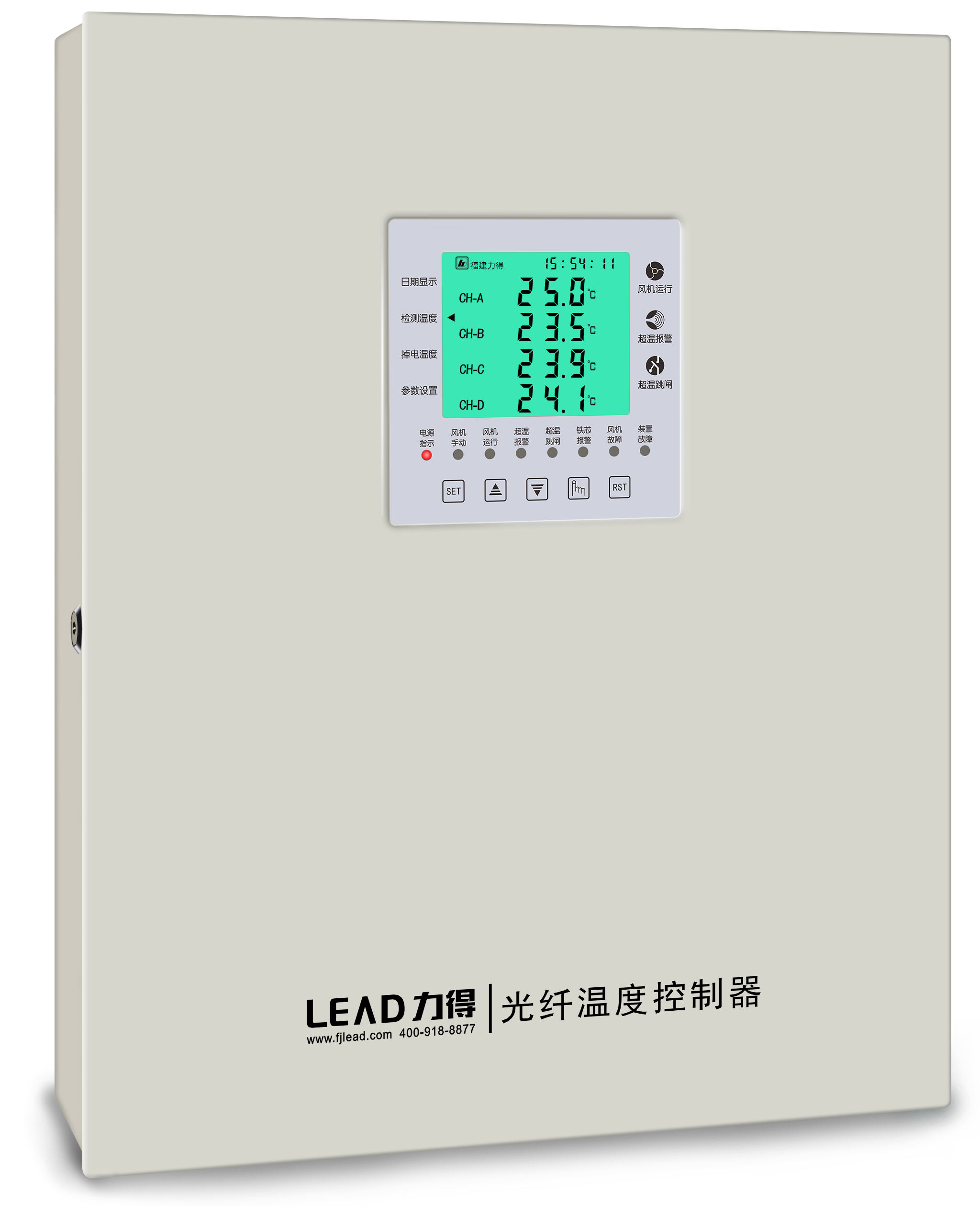
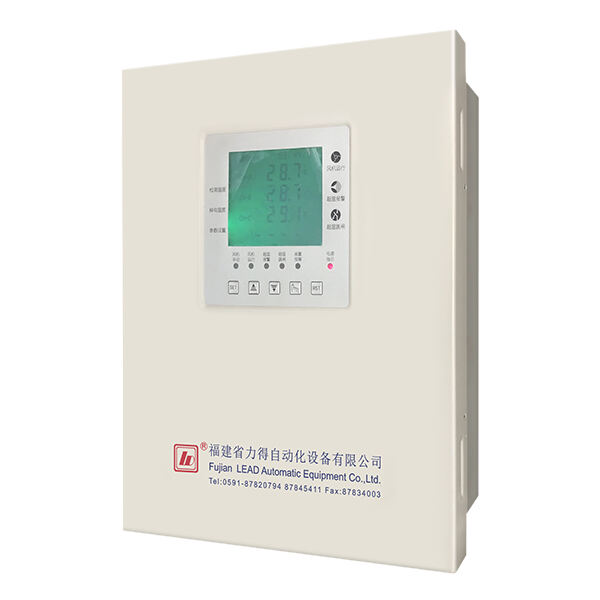
A high-quality temperature controller should offer comprehensive monitoring capabilities with clear, easy-to-read displays. Look for controllers that can simultaneously monitor multiple temperature points, including oil temperature, winding temperature, and ambient temperature. Digital displays with backlit screens ensure visibility in various lighting conditions, while trend graphs and historical data logging help operators track temperature patterns over time.
Advanced controllers often include color-coded status indicators and intuitive user interfaces that simplify monitoring tasks. These features enable quick identification of potential issues and facilitate proactive maintenance decisions. The ability to display both real-time and historical data proves invaluable for system analysis and optimization.
Control Algorithms and Response Mechanisms
The heart of any temperature controller lies in its control algorithms. Modern controllers employ sophisticated PID (Proportional-Integral-Derivative) control mechanisms that ensure precise temperature regulation. These algorithms should adapt to varying load conditions and environmental changes, providing stable and reliable temperature control under all circumstances.
Look for controllers that offer customizable control parameters and multiple operating modes. The ability to fine-tune response characteristics helps optimize performance for specific transformer applications. Advanced features like adaptive tuning and fuzzy logic control can further enhance system stability and efficiency.
Communication and Integration Capabilities
Network Connectivity Options
Modern industrial environments demand seamless integration of temperature controllers with broader monitoring and control systems. Select controllers that support standard industrial protocols such as Modbus, PROFIBUS, or Ethernet/IP. These communication capabilities enable real-time data sharing, remote monitoring, and integration with SCADA systems.
Consider controllers that offer multiple communication ports and protocol flexibility. This ensures compatibility with existing infrastructure while providing options for future system upgrades. Web-based interfaces and mobile connectivity features can significantly enhance operational convenience and monitoring capabilities.
Data Logging and Analysis Features
Comprehensive data logging capabilities are essential for trend analysis and predictive maintenance. Choose temperature controllers that can store extensive historical data with timestamp information. Advanced analysis features help identify patterns, predict potential issues, and optimize maintenance schedules.
Look for controllers that offer easy data export options and compatibility with common analysis software. The ability to generate automated reports and alerts based on predefined conditions can streamline maintenance operations and improve response times to potential issues.
Safety and Reliability Considerations
Alarm and Protection Features
Safety features are paramount when selecting a temperature controller for oil-immersed transformers. The controller should provide comprehensive alarm systems with multiple setpoints for different severity levels. Look for features like pre-alarm warnings, critical temperature shutdowns, and sensor failure detection.
Advanced protection features should include backup temperature sensing, fail-safe modes, and automatic system diagnostics. The controller should maintain its programmed settings during power interruptions and provide clear indication of alarm conditions through both visual and audible signals.
Reliability and Environmental Specifications
Temperature controllers must maintain reliable operation in challenging industrial environments. Consider controllers with robust construction, high EMC immunity, and appropriate environmental ratings. Look for products that meet relevant industry standards and certifications for power system applications.
Environmental specifications should match your installation requirements, including operating temperature range, humidity tolerance, and protection against dust and moisture. Controllers with conformal coating and sealed enclosures offer additional protection in harsh environments.
Installation and Maintenance Aspects
Mounting and Wiring Considerations
Choose temperature controllers that offer flexible mounting options suitable for your installation requirements. Panel-mount designs with standardized cutout dimensions simplify installation and replacement. Clear wiring diagrams and well-organized terminal layouts reduce installation time and minimize wiring errors.
Consider the controller's physical dimensions, required clearances, and cable routing requirements during selection. Easy access to terminals and clear labeling contribute to simpler maintenance and troubleshooting procedures.
Calibration and Maintenance Requirements
Select controllers that minimize maintenance requirements while ensuring accurate operation. Self-calibration features and diagnostic capabilities help reduce maintenance time and costs. Look for controllers with easy firmware update processes and minimal drift characteristics.
Documentation should include detailed calibration procedures and maintenance schedules. The availability of local support and spare parts should also factor into the selection process.
Frequently Asked Questions
What accuracy level should a temperature controller maintain for transformer applications?
For oil-immersed transformer applications, temperature controllers should maintain accuracy within ±1°C across the operating range. This level of precision ensures reliable protection and efficient operation of the transformer system.
How often should temperature controller calibration be performed?
Calibration frequency depends on the specific controller model and application requirements, but generally, annual calibration is recommended. However, controllers with self-calibration features and high stability may extend this interval to 2-3 years under normal operating conditions.
What backup features should temperature controllers include?
Essential backup features include battery-backed memory for settings retention, redundant temperature sensing capabilities, and fail-safe output configurations. The controller should also maintain historical data during power interruptions and provide clear indication of backup system activation.
How can temperature controller data be integrated with existing monitoring systems?
Modern temperature controllers offer multiple integration options through standard industrial protocols like Modbus RTU/TCP, PROFIBUS, or Ethernet/IP. Web services and OPC interfaces provide additional flexibility for data integration with higher-level monitoring and control systems.
Table of Contents
- Understanding Temperature Management in Oil-Immersed Transformers
- Essential Features of Temperature Controllers
- Communication and Integration Capabilities
- Safety and Reliability Considerations
- Installation and Maintenance Aspects
-
Frequently Asked Questions
- What accuracy level should a temperature controller maintain for transformer applications?
- How often should temperature controller calibration be performed?
- What backup features should temperature controllers include?
- How can temperature controller data be integrated with existing monitoring systems?