 EN
EN
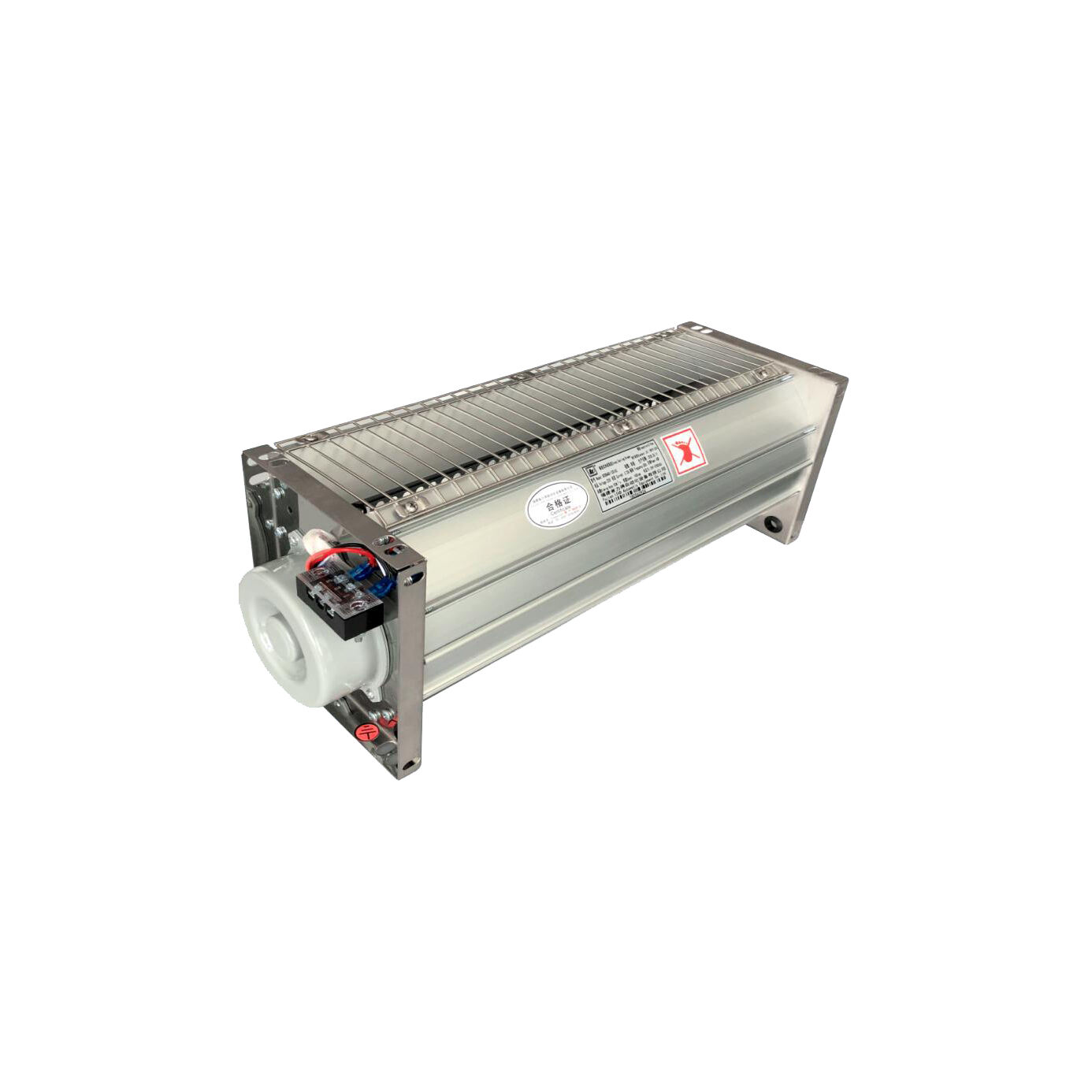
Modern industrial applications demand increasingly sophisticated thermal management solutions, and cooling fan technology has emerged as a critical component in maintaining optimal operational temperatures across diverse sectors. The evolution from traditional AC fans to advanced EC (Electronically Commutated) fans represents a significant leap forward in efficiency, control, and reliability. These innovative systems combine the best aspects of AC and DC motor technologies while incorporating intelligent speed regulation and energy optimization features that are transforming how industries approach heat dissipation challenges.
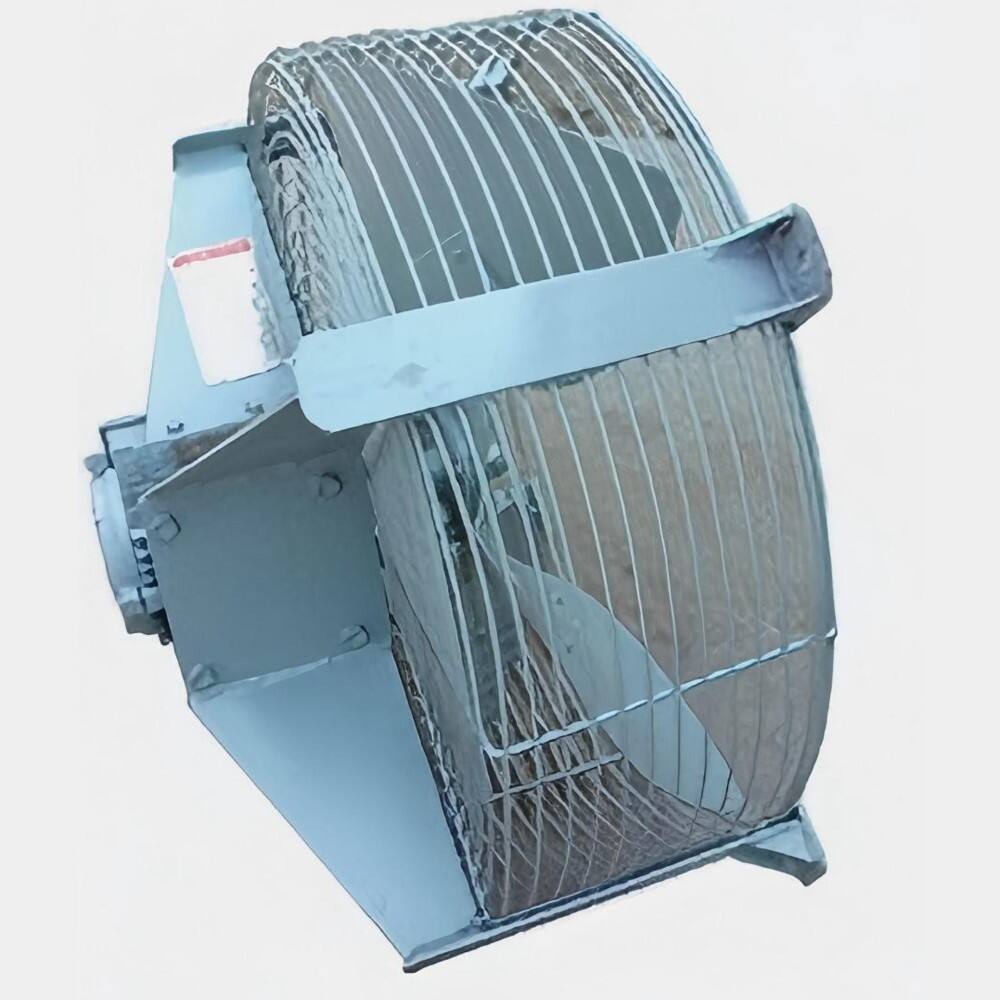
The integration of smart technologies into cooling systems has revolutionized thermal management across manufacturing, data centers, automotive applications, and HVAC systems. Engineers and facility managers now have access to precision-controlled ventilation solutions that adapt in real-time to changing thermal loads, ensuring optimal performance while minimizing energy consumption. This technological advancement addresses the growing need for sustainable and cost-effective cooling solutions in an era where energy efficiency and environmental responsibility are paramount concerns.
Advanced EC Motor Technology in Modern Cooling Systems
Electronically Commutated Motor Fundamentals
EC motors represent a hybrid technology that combines the reliability of AC induction motors with the efficiency and controllability of DC motors. These sophisticated systems utilize electronic switching instead of mechanical brushes, eliminating friction-related wear and significantly extending operational lifespan. The brushless design reduces maintenance requirements while providing superior speed control across a wide operational range, making them ideal for applications requiring variable airflow management.
The electronic commutation process enables precise control over motor speed, torque, and power consumption through advanced microprocessor-based controllers. This level of control allows cooling fan systems to respond dynamically to changing thermal conditions, automatically adjusting performance parameters to maintain optimal temperatures while minimizing energy expenditure. The integration of sensor feedback systems further enhances this capability, creating intelligent thermal management solutions that learn and adapt to operational patterns.
Energy Efficiency Advantages
EC cooling fans typically achieve efficiency ratings of 85-90%, significantly higher than traditional AC fans which commonly operate at 60-70% efficiency. This improvement translates directly into reduced operational costs and lower environmental impact, particularly in large-scale installations where multiple fans operate continuously. The variable speed capability allows systems to operate at optimal efficiency points across different load conditions, further enhancing overall system performance.
Power factor correction capabilities inherent in EC motor designs eliminate the reactive power consumption common in AC systems, resulting in cleaner power draw and reduced stress on electrical infrastructure. This characteristic is particularly valuable in industrial environments where power quality and electrical efficiency are critical considerations. The reduced harmonic distortion also contributes to improved electrical system stability and compliance with power quality standards.
Intelligent Speed Regulation Technology
Adaptive Control Systems
Modern intelligent speed regulation systems incorporate multiple sensor inputs to create comprehensive thermal management profiles. Temperature sensors, pressure transducers, and vibration monitors work together to provide real-time system status information, enabling sophisticated control algorithms to optimize cooling fan performance automatically. These systems can predict thermal loads based on operational patterns and proactively adjust airflow to prevent temperature excursions.
The integration of machine learning algorithms enables these systems to continuously improve performance by analyzing historical data and identifying optimization opportunities. Predictive maintenance capabilities can detect developing issues before they impact system performance, scheduling maintenance activities during planned downtime periods. This proactive approach significantly reduces unexpected failures and extends equipment lifespan while maintaining optimal thermal conditions.
Communication and Integration Protocols
Advanced cooling systems now incorporate multiple communication protocols including Modbus, BACnet, and Ethernet-based systems that enable seamless integration with building management systems and industrial control networks. This connectivity allows centralized monitoring and control of multiple cooling zones, creating comprehensive thermal management strategies that optimize performance across entire facilities. Remote diagnostic capabilities enable off-site monitoring and troubleshooting, reducing maintenance costs and improving system reliability.
The implementation of IoT connectivity transforms individual cooling fans into components of larger smart building ecosystems. Data analytics platforms can process information from multiple systems to identify energy optimization opportunities and recommend operational adjustments. This level of integration supports corporate sustainability goals while maintaining precise environmental control for critical applications.
Energy Consumption Optimization Strategies
Variable Speed Drive Implementation
Variable speed drive technology allows cooling systems to match airflow precisely to thermal demand, eliminating the energy waste associated with constant-speed operation. The cubic relationship between fan speed and power consumption means that small reductions in speed result in significant energy savings. For example, reducing fan speed by 20% can decrease power consumption by approximately 50%, making variable speed control one of the most effective energy conservation strategies available.
Advanced VSD systems incorporate power quality monitoring and correction features that optimize electrical performance while protecting connected equipment. Soft-start capabilities reduce mechanical stress during startup, extending equipment life and reducing maintenance requirements. The ability to precisely control acceleration and deceleration profiles minimizes system shock and vibration, contributing to improved reliability and reduced noise levels.
Load-Based Optimization Algorithms
Sophisticated optimization algorithms analyze thermal loads in real-time and automatically adjust cooling system parameters to maintain optimal conditions with minimum energy expenditure. These systems consider factors such as ambient temperature, humidity levels, equipment heat generation, and occupancy patterns to create dynamic control strategies. Machine learning capabilities enable continuous improvement as systems accumulate operational data and refine control algorithms.
Demand-responsive control strategies coordinate multiple cooling zones to optimize overall system efficiency while maintaining individual zone requirements. Load shedding capabilities can temporarily reduce cooling capacity during peak demand periods while maintaining critical temperature limits. Energy storage integration allows systems to shift cooling loads to off-peak periods, taking advantage of time-of-use electricity rates and reducing operational costs.
Industrial Applications and Performance Benefits
Manufacturing and Process Industries
In manufacturing environments, precise thermal control is essential for maintaining product quality and equipment reliability. Advanced cooling fan systems provide the consistent environmental conditions required for sensitive manufacturing processes while adapting to varying production schedules and thermal loads. The ability to maintain tight temperature tolerances prevents thermal-induced defects and ensures consistent product quality across production runs.
Process industries benefit from the reliability and efficiency improvements offered by modern cooling systems. Chemical processing, pharmaceutical manufacturing, and food production facilities require continuous thermal management to maintain product integrity and safety standards. The reduced maintenance requirements and improved reliability of EC-based systems minimize production disruptions while ensuring compliance with regulatory requirements.
Data Center and IT Infrastructure
Data centers represent one of the most demanding applications for cooling technology, requiring continuous operation with high reliability and efficiency standards. Modern cooling fan systems provide the precise environmental control necessary to maintain optimal server performance while minimizing energy consumption. The ability to respond rapidly to changing computational loads ensures consistent operating temperatures even during peak demand periods.
Hot aisle containment strategies benefit significantly from intelligent cooling systems that can create differential pressure zones and direct airflow precisely where needed. The integration with data center management systems enables coordination between cooling and IT systems, optimizing overall facility efficiency. Predictive cooling algorithms can anticipate thermal loads based on computational demand, pre-positioning cooling capacity to prevent temperature excursions.
Future Developments and Emerging Technologies
Artificial Intelligence Integration
The integration of artificial intelligence technologies is revolutionizing cooling system operation by enabling predictive control strategies that anticipate thermal demands before they occur. AI algorithms analyze patterns in equipment operation, weather conditions, and occupancy schedules to optimize cooling system performance proactively. Machine learning capabilities continuously improve system efficiency by identifying previously unrecognized optimization opportunities.
Neural network-based control systems can process complex multi-variable inputs to create sophisticated control strategies that surpass traditional PID control methods. These systems can learn from operational data to identify unique facility characteristics and develop customized control algorithms that maximize efficiency for specific applications. The ability to process vast amounts of sensor data in real-time enables unprecedented levels of precision in thermal management.
Sustainable Technology Advancement
Future cooling fan developments focus increasingly on sustainability and environmental responsibility. Advanced materials and manufacturing processes reduce environmental impact while improving performance and reliability. Recyclable components and modular designs facilitate end-of-life processing and component reuse, supporting circular economy principles in industrial applications.
Integration with renewable energy systems enables cooling operations to take advantage of clean energy sources while providing grid stabilization services through demand response capabilities. Energy recovery systems can capture waste heat for beneficial use, further improving overall system efficiency. The development of bio-based lubricants and environmentally friendly refrigerants supports corporate sustainability goals while maintaining high performance standards.
FAQ
What are the main advantages of EC cooling fans over traditional AC fans
EC cooling fans offer significantly higher efficiency ratings of 85-90% compared to 60-70% for AC fans, resulting in substantial energy savings. They provide precise speed control, longer lifespan due to brushless design, reduced maintenance requirements, and better power quality with improved power factor correction. The electronic commutation eliminates mechanical wear components, while variable speed capability enables optimal performance across different operational conditions.
How do intelligent speed regulation systems improve cooling performance
Intelligent speed regulation systems use multiple sensors and advanced algorithms to automatically adjust fan speed based on real-time thermal conditions. This adaptive approach ensures optimal airflow while minimizing energy consumption, prevents over-cooling or under-cooling situations, and enables predictive maintenance capabilities. The systems learn from operational patterns to continuously improve performance and can integrate with building management systems for comprehensive facility optimization.
What energy savings can be expected from upgrading to EC cooling fans
Energy savings from EC cooling fan upgrades typically range from 30-60% depending on the application and operational profile. Variable speed operation provides the greatest savings potential, as reducing fan speed by 20% can decrease power consumption by approximately 50% due to the cubic relationship between speed and power. Additional savings come from improved power factor, reduced maintenance costs, and optimized system integration capabilities.
How do modern cooling systems integrate with existing building automation
Modern cooling systems incorporate standard communication protocols such as Modbus, BACnet, and Ethernet connections that enable seamless integration with existing building management systems. They provide comprehensive monitoring and control capabilities, remote diagnostic access, and data analytics integration. The systems can coordinate with HVAC controls, lighting systems, and occupancy sensors to create optimized facility-wide energy management strategies while maintaining precise environmental control requirements.