 EN
EN
Dry-type transformers are critical components in electrical distribution systems, and their reliable operation depends heavily on efficient thermal management. The cooling system, particularly the cross-flow fan assembly, plays an indispensable role in maintaining optimal operating temperatures and preventing premature equipment failure. Understanding the common faults, implementing proper maintenance protocols, and establishing appropriate replacement cycles for these cooling fans are essential practices for maximizing transformer lifespan and ensuring continuous operational reliability in industrial and commercial facilities.
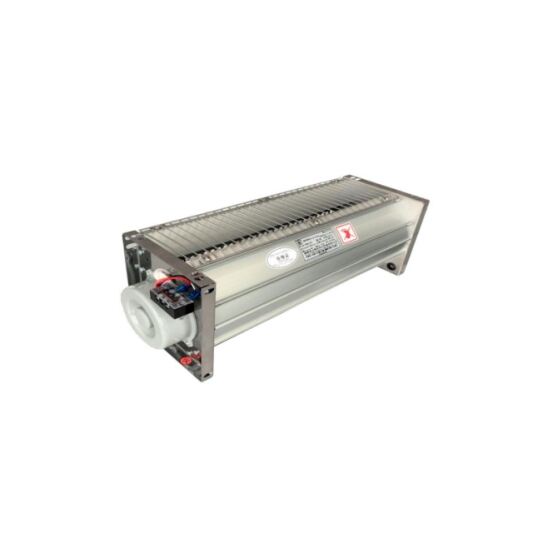
This comprehensive guide examines the specific failure modes that affect transformer cooling fans, provides actionable maintenance strategies to extend equipment service life, and establishes data-driven replacement intervals that balance operational risk with lifecycle costs. Whether you manage a single transformer installation or oversee multiple facilities, recognizing early warning signs and implementing preventive measures will significantly reduce unplanned downtime and protect your electrical infrastructure investment from thermal stress damage.
Understanding Common Fault Patterns in Transformer Cooling Fans
Mechanical Bearing Degradation and Failure Modes
Bearing failure represents the most prevalent fault mechanism in cross-flow fan assemblies used for dry-type transformer cooling. Over extended operational periods, bearing lubricants degrade due to thermal cycling, contamination ingress, and mechanical wear. This degradation manifests initially as increased vibration amplitude and audible noise signatures that differ from normal operational sounds. As bearing clearances increase beyond design tolerances, shaft misalignment occurs, leading to accelerated wear on adjacent components including seals and impeller assemblies.
The progression of bearing failure typically follows a predictable pattern in cross-flow fan applications. Initial stages show slight temperature elevation at bearing housings, detectable through infrared thermography during routine inspections. Mid-stage degradation produces characteristic grinding or squealing noises as metal-to-metal contact begins. Final stage failure results in complete seizure or catastrophic separation, causing immediate loss of cooling capacity and potential secondary damage to transformer windings from excessive heat accumulation. Environmental factors such as ambient dust levels, humidity exposure, and installation orientation significantly influence bearing lifespan, with typical service lives ranging from 30,000 to 50,000 operational hours under standard industrial conditions.
Electrical Component Failures and Motor Winding Issues
Motor winding insulation breakdown constitutes another critical fault category affecting cross-flow fan reliability in transformer cooling applications. Continuous exposure to elevated ambient temperatures, combined with voltage stress and mechanical vibration, gradually degrades the insulation properties of motor windings. This deterioration process accelerates when cooling fans operate in environments with significant temperature fluctuations, causing repetitive thermal expansion and contraction cycles that compromise insulation integrity. Early detection through insulation resistance testing can identify declining winding quality before complete failure occurs.
Capacitor failure in single-phase cross-flow fan motors presents another common electrical fault that disrupts transformer cooling performance. Start and run capacitors deteriorate over time due to dielectric material aging, particularly when subjected to high ambient temperatures typical in transformer enclosures. Failed capacitors manifest as motor starting difficulties, reduced rotational speed, or complete failure to energize. Voltage supply irregularities, including transient spikes and sustained overvoltage conditions, accelerate capacitor aging and can cause premature failure well before expected service life endpoints. Regular electrical parameter monitoring, including voltage stability and current draw measurements, helps identify deteriorating capacitor performance before complete cooling system failure occurs.
Impeller Damage and Airflow Restriction Problems
Physical damage to cross-flow fan impellers significantly compromises cooling effectiveness in dry-type transformer applications. Foreign object ingestion, manufacturing defects, and material fatigue contribute to impeller degradation over operational lifespans. Blade erosion from airborne particulates gradually reduces aerodynamic efficiency, while corrosion in humid environments weakens structural integrity. Imbalanced impellers generate excessive vibration that accelerates bearing wear and creates resonance conditions potentially damaging to mounting structures and adjacent electrical components.
Airflow restriction from accumulated contaminants represents a progressive fault mechanism that reduces cross-flow fan performance without causing immediate component failure. Dust, lint, and environmental debris accumulate on impeller surfaces, inlet grilles, and discharge pathways, systematically reducing volumetric airflow capacity. This restriction forces motors to work against increased static pressure, elevating current draw and operating temperatures. The compounding effect of reduced airflow and increased heat generation creates accelerated aging conditions for all cooling system components. Facilities located in dusty industrial environments or near agricultural operations experience more rapid contamination buildup, necessitating more frequent cleaning intervals to maintain design cooling capacity.
Implementing Effective Maintenance Protocols for Cooling Fan Systems
Scheduled Inspection Procedures and Diagnostic Techniques
Establishing systematic inspection routines forms the foundation of effective cross-flow fan maintenance in transformer cooling applications. Monthly visual inspections should document physical condition, verify secure mounting, and identify obvious damage or contamination. Quarterly assessments incorporate performance measurements including airflow velocity verification, vibration analysis, and thermal imaging to detect developing problems before they impact cooling capacity. Annual comprehensive examinations involve detailed electrical testing, bearing condition assessment, and complete cleaning procedures that restore equipment to near-original performance specifications.
Vibration analysis provides particularly valuable diagnostic information for predicting cross-flow fan failure in transformer cooling systems. Establishing baseline vibration signatures during initial commissioning enables condition-based monitoring that tracks degradation trends over operational lifespans. Portable vibration meters measure acceleration amplitudes across multiple frequency ranges, identifying specific fault patterns associated with bearing wear, impeller imbalance, or structural looseness. Trending analysis reveals gradual deterioration allowing maintenance teams to schedule proactive replacements during planned outages rather than responding to emergency failures that compromise transformer protection and potentially cause expensive secondary damage.
Cleaning Protocols and Contamination Management
Regular cleaning represents the most cost-effective maintenance activity for extending cross-flow fan service life in dry-type transformer applications. Quarterly cleaning intervals suit most industrial environments, though facilities with high particulate loads may require monthly attention to prevent performance degradation. Effective cleaning procedures begin with complete power isolation and lockout procedures to ensure technician safety during maintenance activities. Compressed air cleaning effectively removes loose debris from impeller surfaces and housing interiors, while soft brush techniques address adhered contamination without damaging protective coatings or delicate components.
Filter maintenance directly impacts cross-flow fan longevity by preventing contaminant ingestion that accelerates component wear. Facilities employing inlet filtration systems must establish appropriate filter replacement schedules based on pressure drop monitoring across filter media. Excessive pressure drop forces cooling fans to operate against elevated static pressures, increasing motor current draw and reducing volumetric efficiency. Implementing differential pressure indicators provides real-time feedback on filter loading status, enabling timely replacement before flow restriction significantly impacts transformer cooling capacity. Some installations benefit from multi-stage filtration combining coarse pre-filters with higher efficiency final filters, extending service intervals while maintaining component protection.
Lubrication Management and Bearing Care Practices
Proper lubrication practices significantly extend bearing life in cross-flow fan assemblies used for transformer cooling applications. Facilities must identify whether specific fan models employ sealed-for-life bearings or require periodic relubrication based on manufacturer specifications. For motors requiring maintenance lubrication, establishing appropriate schedules based on operational hours prevents both under-lubrication that accelerates wear and over-lubrication that causes seal damage and contamination problems. High-quality bearing greases formulated for electrical motor applications provide superior performance compared to general-purpose lubricants, particularly in elevated temperature environments typical of transformer installations.
Relubrication procedures for cross-flow fan systems demand careful technique to avoid introducing contaminants or applying excessive quantities that damage seals and windings. Before adding fresh lubricant, technicians should operate fans to reach normal operating temperature, then carefully clean grease fittings to prevent dirt ingestion during the lubrication process. Applying manufacturer-specified quantities through designated lubrication points ensures proper distribution throughout bearing assemblies without overfilling. Post-lubrication operation should be monitored for unusual temperature rise or noise indicating improper application. Documentation of lubrication activities including dates, lubricant types, and quantities applied enables trend analysis and helps optimize maintenance intervals based on actual equipment performance rather than arbitrary schedules.
Establishing Optimal Replacement Cycles for Transformer Cooling Fans
Service Life Expectations Under Various Operating Conditions
Typical cross-flow fan service life in dry-type transformer cooling applications ranges from five to ten years depending on operating environment severity and maintenance quality. Fans operating in clean, temperature-controlled environments with excellent preventive maintenance programs regularly achieve or exceed ten-year service intervals. Conversely, installations in harsh industrial settings with high particulate loading, extreme temperature variations, or inadequate maintenance attention may require replacement within three to five years to maintain reliable cooling performance. Understanding the specific factors that influence longevity in your facility enables realistic replacement planning and appropriate budget allocation.
Operational duty cycle significantly impacts cross-flow fan lifespan in transformer cooling systems. Continuously operating fans accumulate wear more rapidly than units cycling on demand based on temperature thresholds, though frequent start-stop cycles introduce additional stress from repetitive inrush currents and thermal cycling. Transformers with load profiles featuring significant daily or seasonal variation benefit from temperature-activated fan control systems that optimize cooling capacity while minimizing unnecessary runtime. However, extended idle periods can allow lubricant migration and corrosion formation, potentially shortening bearing life compared to continuous operation that maintains consistent lubrication distribution and prevents condensation accumulation in motor housings.
Condition-Based Replacement Decision Criteria
Implementing condition-based replacement strategies for cross-flow fan systems optimizes maintenance costs while minimizing failure risks in transformer cooling applications. Rather than adhering to rigid time-based replacement schedules, condition monitoring data informs replacement decisions based on actual equipment degradation. Key performance indicators including vibration amplitude trends, temperature rise above ambient, current draw variations, and airflow capacity measurements provide quantitative evidence of declining fan condition. Establishing threshold values for these parameters enables proactive replacement before complete failure while avoiding premature disposal of serviceable equipment.
Economic analysis supports replacement decisions by comparing continued operation costs against new equipment investment. As cross-flow fan efficiency degrades, increased energy consumption and elevated failure risk accumulate ongoing costs that eventually justify replacement even when fans remain operational. Calculating total cost of ownership incorporates initial equipment expense, installation labor, expected energy consumption over service life, maintenance requirements, and potential transformer damage from inadequate cooling. This comprehensive financial perspective often reveals that replacing marginal fans earlier than absolute failure delivers superior value through improved reliability, reduced energy costs, and eliminated risk of expensive transformer damage from cooling system failure during critical operating periods.
Planned Replacement Implementation and Spare Parts Strategy
Strategic spare parts inventory management ensures rapid restoration of transformer cooling capacity following cross-flow fan failures. Critical facilities should maintain complete fan assemblies as ready spares, enabling same-day replacement rather than extended downtime awaiting component procurement and delivery. Facilities with multiple identical transformer installations benefit from standardizing on common fan models, reducing spare parts variety and increasing inventory flexibility. Establishing relationships with reliable suppliers who stock replacement fans and maintain expedited shipping capabilities provides cost-effective alternatives to maintaining extensive on-site inventories for installations with less critical service requirements.
Replacement project planning should coordinate cooling fan upgrades with scheduled transformer maintenance outages to minimize operational disruptions and optimize labor efficiency. Many facilities successfully bundle fan replacement with annual transformer inspections, oil testing, and connection maintenance activities. This integrated approach reduces total downtime compared to separate maintenance events while ensuring cooling system reliability supports transformer protection throughout subsequent operating periods. When planning replacements, consider opportunities for performance upgrades including higher efficiency motor technology, improved control systems with variable speed capability, or enhanced filtration that extends component life and reduces ongoing maintenance requirements.
Optimizing Long-Term Performance Through System Integration
Temperature Monitoring and Automated Fan Control Systems
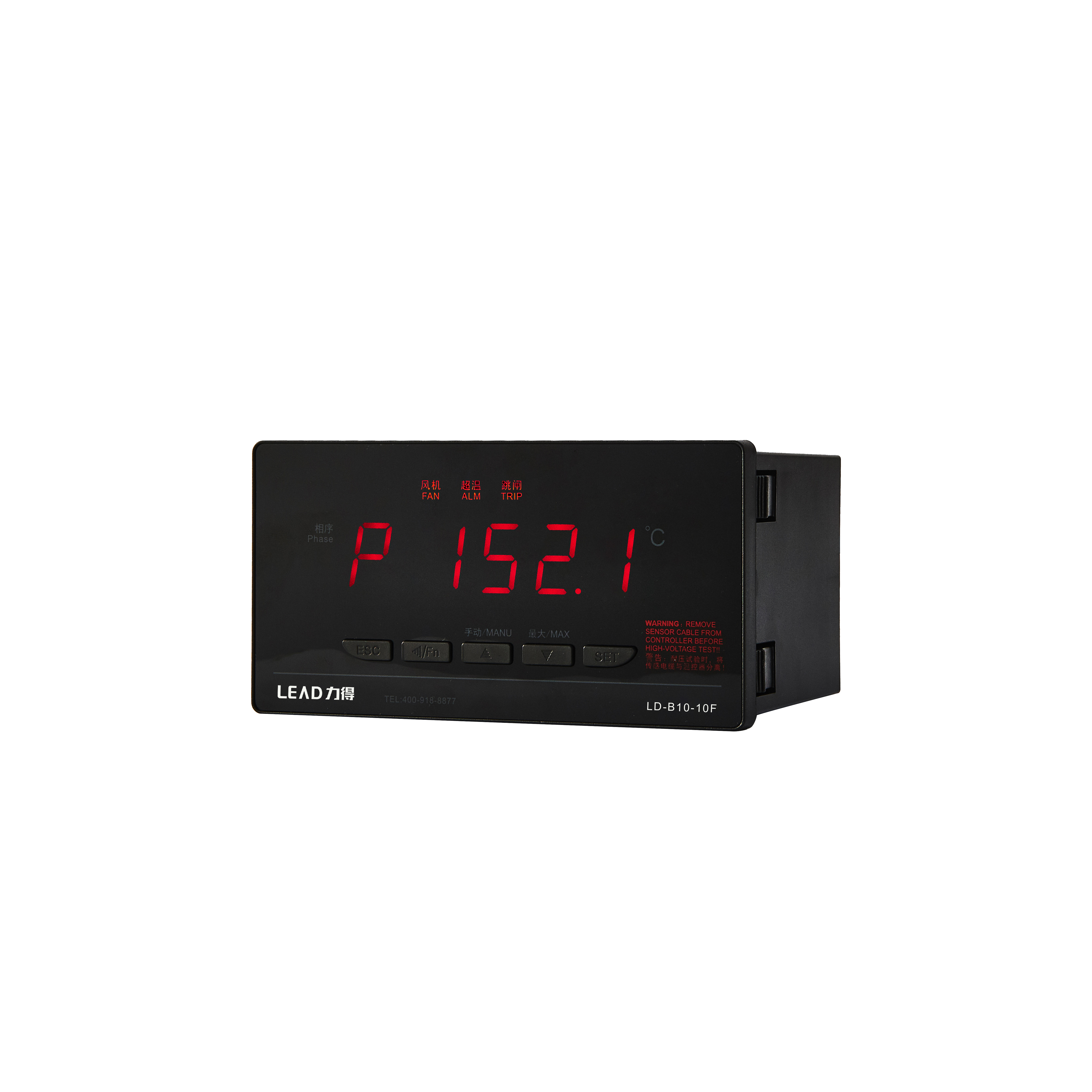
Integrating cross-flow fan operation with comprehensive temperature monitoring systems enhances transformer protection while optimizing cooling equipment lifespan. Modern digital temperature controllers provide precise activation thresholds that start fans only when actual cooling demand exists, reducing unnecessary runtime and extending component life. Multi-stage control strategies activate fans sequentially based on temperature rise, matching cooling capacity to thermal load while distributing operational hours across multiple fan units. This intelligent control approach prevents simultaneous aging of all cooling system components and provides redundancy when individual fans require maintenance or replacement.
Remote monitoring capabilities enable proactive maintenance responses that prevent minor cooling system issues from escalating into transformer damage events. Network-connected temperature and fan status monitoring systems alert maintenance personnel immediately when cooling capacity becomes inadequate or individual cross-flow fan units fail. These early warning systems prove particularly valuable for unmanned installations or facilities with multiple transformer locations where direct observation is impractical. Historical data logging from integrated monitoring systems supports reliability analysis, helps optimize maintenance schedules, and provides documentation for warranty claims or insurance purposes following equipment failures.
Environmental Controls and Installation Optimization
Physical installation environment significantly influences cross-flow fan longevity and maintenance requirements in transformer cooling applications. Locating transformer installations in enclosed rooms with adequate ventilation, climate control, and particulate filtration dramatically reduces cooling fan contamination and extends service intervals. When outdoor installation is unavoidable, weather-resistant enclosures with appropriate ingress protection ratings shield cooling fans from direct precipitation, solar radiation, and airborne debris that accelerate component degradation. Proper drainage design prevents water accumulation near fan assemblies while maintaining necessary airflow paths for effective heat dissipation.
Installation orientation and mounting configuration affect vibration transmission, drainage characteristics, and accessibility for maintenance activities. Mounting cross-flow fan assemblies on vibration-isolating supports reduces structure-borne noise transmission and minimizes fatigue stress on electrical connections and mechanical fasteners. Ensuring adequate clearance around fan assemblies facilitates inspection access, cleaning procedures, and eventual replacement activities without requiring extensive disassembly of adjacent equipment. These thoughtful installation practices yield long-term dividends through reduced maintenance labor requirements and improved component reliability throughout operational lifespans.
Documentation Practices and Knowledge Management
Comprehensive documentation of cooling fan maintenance activities, performance measurements, and replacement history provides invaluable information for optimizing long-term maintenance strategies. Digital maintenance management systems enable systematic recording of inspection findings, work performed, parts consumed, and labor hours invested in cooling system upkeep. This historical data reveals patterns in component failure modes, identifies problematic equipment requiring design improvements or more frequent attention, and supports accurate forecasting of future maintenance requirements and associated budget needs.
Standardized documentation formats ensure consistent information capture across multiple maintenance technicians and facility locations. Detailed records including manufacturer specifications, installation dates, operational parameters, and modification history create institutional knowledge that persists beyond individual employee tenure. Photographic documentation of proper installation configurations, wiring arrangements, and component markings proves particularly valuable during troubleshooting activities or when training new maintenance personnel. Regular review of accumulated maintenance data with equipment suppliers and engineering consultants identifies opportunities for continuous improvement in maintenance practices, replacement part selection, and operational strategies that enhance overall cooling system reliability.
FAQ
What are the typical warning signs that a transformer cooling fan needs immediate replacement?
Critical warning signs requiring immediate cross-flow fan replacement include excessive vibration that can be felt when touching the motor housing, loud grinding or squealing noises indicating bearing failure, visible smoke or burning odors suggesting electrical problems, failure to start when temperature controllers activate cooling demands, or measured airflow reduction exceeding twenty percent below design specifications. Additionally, motor current draw increasing more than fifteen percent above nameplate ratings or bearing temperature measurements exceeding manufacturer limits indicate imminent failure requiring urgent replacement to protect transformer integrity.
How frequently should transformer cooling fans undergo professional maintenance inspection?
Professional maintenance inspection frequency for cross-flow fan systems in transformer cooling applications depends on environmental conditions and criticality of the protected equipment. Standard industrial environments typically require quarterly visual inspections with annual comprehensive examinations including electrical testing and bearing analysis. Harsh environments with high dust levels, corrosive atmospheres, or extreme temperature variations benefit from monthly inspections with semi-annual detailed assessments. Critical infrastructure installations supporting essential services should implement monthly professional inspections regardless of environmental conditions to ensure maximum cooling system reliability and prevent unexpected transformer failures.
Can upgrading to higher efficiency cooling fans reduce transformer operating costs?
Upgrading to modern high-efficiency cross-flow fan technology delivers measurable operating cost reductions for continuously operated transformer cooling systems. Premium efficiency motors typically consume fifteen to twenty-five percent less energy than standard efficiency units while providing equivalent cooling capacity. For a typical medium-sized dry-type transformer installation operating fans continuously, this efficiency improvement translates to several hundred dollars in annual energy savings depending on local electricity rates. Additional benefits include reduced heat generation within enclosures, quieter operation, and often extended component life due to superior manufacturing quality, though initial equipment costs run twenty to forty percent higher than standard efficiency alternatives.
What environmental factors most significantly shorten cooling fan service life?
Airborne particulate contamination represents the single most damaging environmental factor affecting cross-flow fan longevity in transformer cooling applications. Dust accumulation on impeller surfaces and within motor housings accelerates bearing wear, reduces cooling efficiency, and elevates operating temperatures throughout the fan assembly. High humidity environments promote corrosion of metal components and accelerate insulation degradation in motor windings. Extreme ambient temperature variations cause repetitive thermal cycling that stresses mechanical connections and degrades lubricant properties. Corrosive atmospheric contaminants including salt spray in coastal locations or chemical vapors in industrial facilities directly attack protective coatings and metallic surfaces, significantly reducing expected service life compared to clean, climate-controlled installation environments.
Table of Contents
- Understanding Common Fault Patterns in Transformer Cooling Fans
- Implementing Effective Maintenance Protocols for Cooling Fan Systems
- Establishing Optimal Replacement Cycles for Transformer Cooling Fans
- Optimizing Long-Term Performance Through System Integration
-
FAQ
- What are the typical warning signs that a transformer cooling fan needs immediate replacement?
- How frequently should transformer cooling fans undergo professional maintenance inspection?
- Can upgrading to higher efficiency cooling fans reduce transformer operating costs?
- What environmental factors most significantly shorten cooling fan service life?