 EN
EN
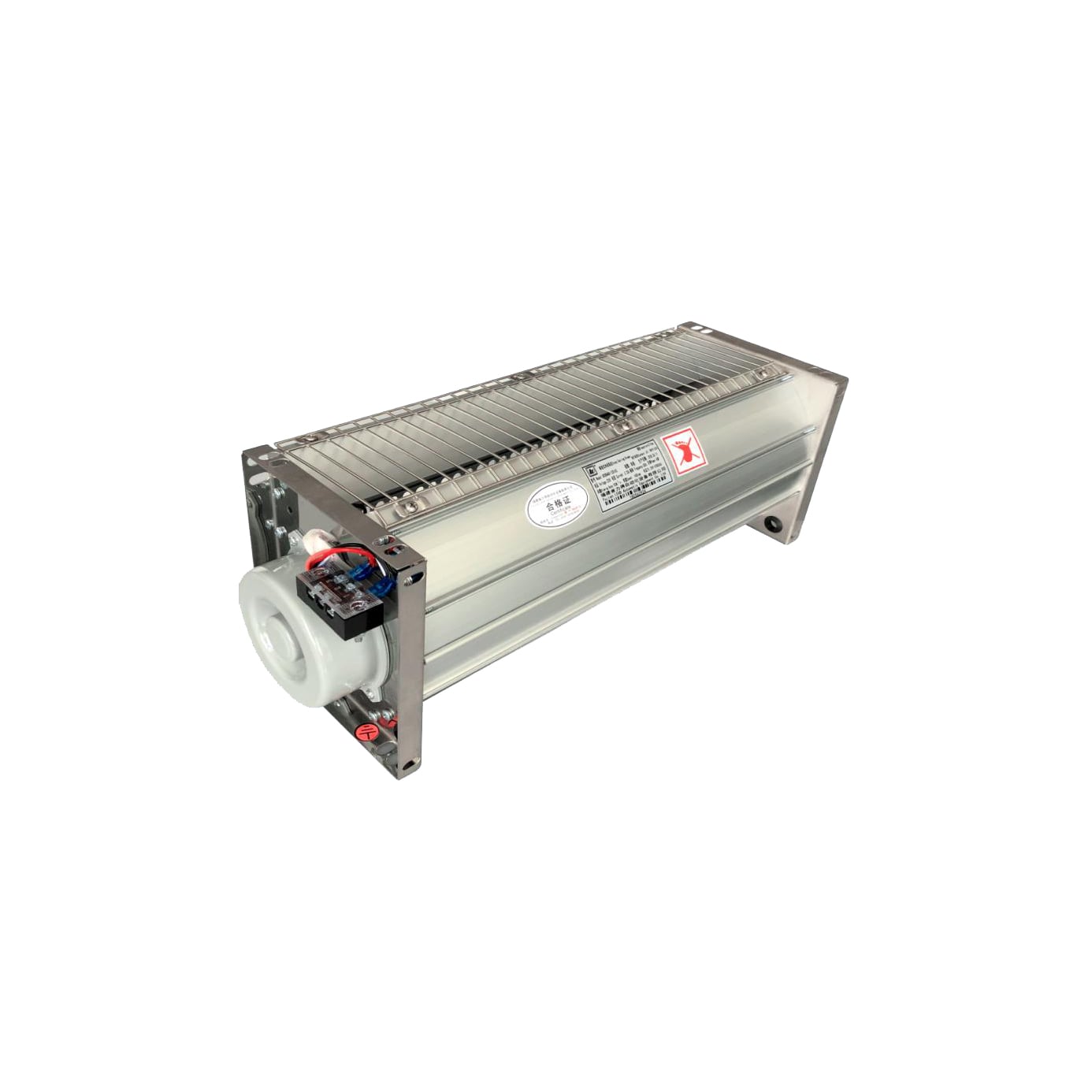
Dry-type transformers are a cornerstone of modern power distribution, prized for their safety, low maintenance, and environmental compatibility. However, their reliance on air as the primary cooling medium makes thermal management a critical engineering challenge. The cooling fan system is not merely an accessory; it is a vital component that dictates the transformer's load-carrying capacity, operational lifespan, and overall reliability.
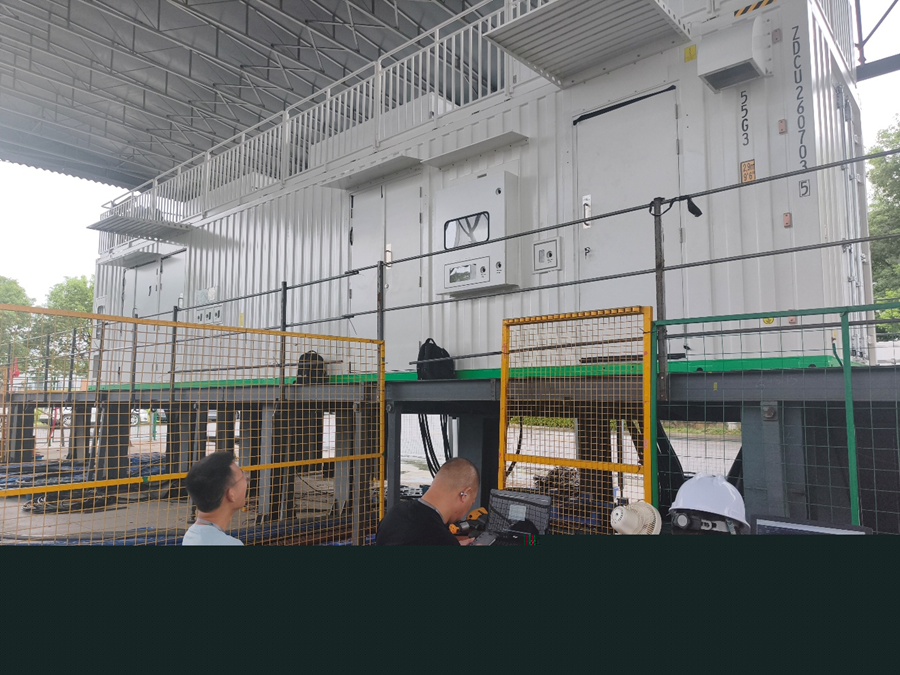
The Imperative of Forced Air Cooling
During operation, transformers generate heat primarily through iron losses in the core and copper losses in the windings. If this heat is not effectively dissipated, the internal temperature will rise, accelerating the degradation of the insulation system. Research indicates that for every 6 Kelvin increase in the winding's hot-spot temperature, the expected service life of the transformer is halved.
While natural convection (AN cooling) provides a baseline level of heat dissipation, it is often insufficient for transformers operating near their rated capacity or in high-ambient-temperature environments. Forced air cooling (AF cooling) addresses this limitation. By strategically directing cool air through the transformer's internal cooling channels, cooling fans can increase the transformer's output power by 40% to 50%. This significant capacity boost makes the fan system an economical and effective solution for enhancing system performance without upgrading to a larger transformer.
Core Technologies and Design Principles
Modern cooling fans for dry-type transformers are engineered with a focus on aerodynamic efficiency, energy conservation, and durability.
- Aerodynamic Optimization:
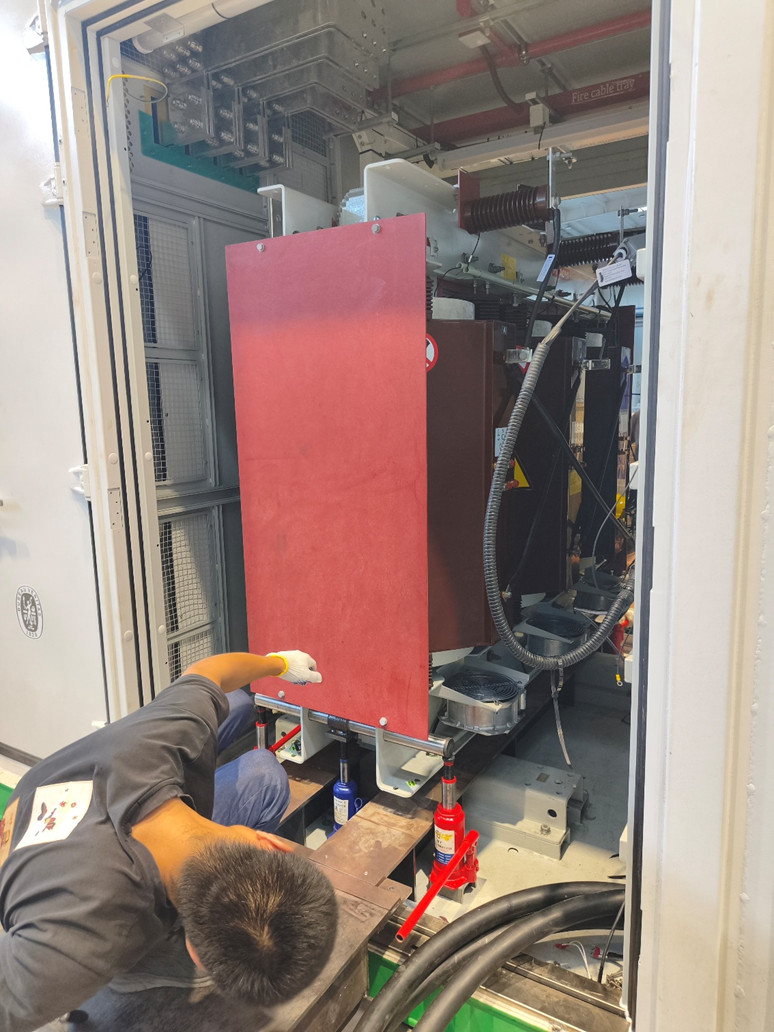
The most common design is the cross-flow (or transverse) fan, typically installed at the lower sides of the transformer coils. This configuration allows the fan to blow cool air directly into the high- and low-voltage cooling channels, maximizing heat transfer efficiency. Advanced computational fluid dynamics (CFD) simulations are used to optimize impeller and duct designs, reducing wind resistance and turbulence while ensuring uniform air distribution to prevent localized hot spots.
- High-Efficiency Motors:
The transition from traditional brushed motors to brushless Electronically Commutated (EC) motors represents a major leap in energy efficiency. EC motors offer efficiencies exceeding 80%, a longer service life (often over 8,000 hours), and the ability to provide stepless speed control. This variable speed capability allows the fan to adjust its airflow dynamically based on real-time cooling needs, reducing energy consumption by 30-50% compared to fixed-speed fans.
- Robust Construction:
To withstand harsh industrial environments, fan housings are frequently constructed from high-quality aluminum alloys or stainless steel. This provides excellent corrosion resistance and structural integrity, ensuring reliable operation even in demanding conditions.
Intelligent Control and System Integration
The evolution of cooling fan systems is closely tied to advancements in intelligent control. The traditional "on-off" control based on a single temperature threshold is being replaced by more sophisticated thermal management strategies.
- Dynamic Fan Control:
Advanced temperature controllers can now modulate fan speed in response to the actual temperature rise of the windings. This not only saves energy but also reduces mechanical wear and acoustic noise.
- Predictive Maintenance:
The integration of IoT sensors and AI algorithms enables the monitoring of fan performance parameters such as vibration, current draw, and speed. By analyzing this data, the system can predict potential fan failures before they occur, allowing for proactive maintenance and preventing unplanned downtime.
- Redundancy and Reliability:
For critical applications, fan systems can be designed with redundancy. Multiple fans can be configured so that if one fails, the others can compensate to maintain safe operating temperatures, ensuring continuous and reliable power supply.
Best Practices for Installation and Maintenance
Proper installation and regular maintenance are essential to guarantee the long-term performance of the cooling system.
- Correct Placement:
Fans must be installed according to the manufacturer's specifications, typically at the bottom of the transformer coils on both sides, to ensure optimal airflow into the cooling channels.
- Pre-Installation Checks:
Before installation, inspect the fan for any damage or deformation from shipping. Verify that all fasteners are secure and that there is no contact between the impeller and the fan housing.
- Environmental Protection:
Ensure the installation environment is free from excessive dust, sand, or corrosive gases. Ingress of particulate matter can lead to impeller imbalance, motor burnout, or blade failure. Sealing the junction box is crucial to prevent
- Routine Maintenance:
Periodically check the tightness of mounting bolts and clean the fan blades and air intakes to prevent dust buildup, which can significantly reduce airflow and cooling efficiency.
Conclusion
The cooling fan system is a critical determinant of a dry-type transformer's performance and longevity. As the power industry continues to demand higher efficiency, greater reliability, and smarter grid integration, the role of advanced cooling technologies will only grow. By understanding the principles of aerodynamic design, high-efficiency motor technology, and intelligent control, engineers can select and maintain cooling systems that ensure transformers operate safely and efficiently for decades to come.