 EN
EN
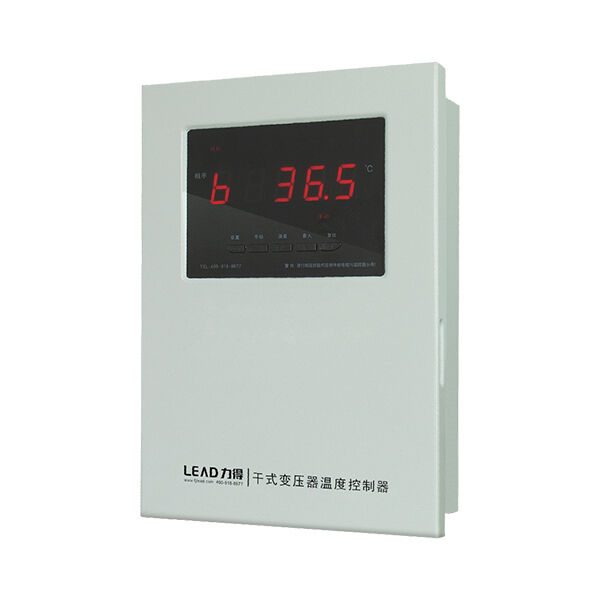
Eligere thermometrum ad transformatorum oleo-immersorum aptum pro difficilibus externis condicionibus ex pluribus technicis et ambientalibus factoribus accurate considerandum est. Conditiones altae temperaturae et altae umiditatis difficultates peculiares praebent quae valde influere possunt in operationem et diuturnitatem transformatorum. Haec requirimenta intellegere necessarium est ad optimam operationem transformatorum in arduis climatibus per orbem in applicationibus industrialibus servandam.
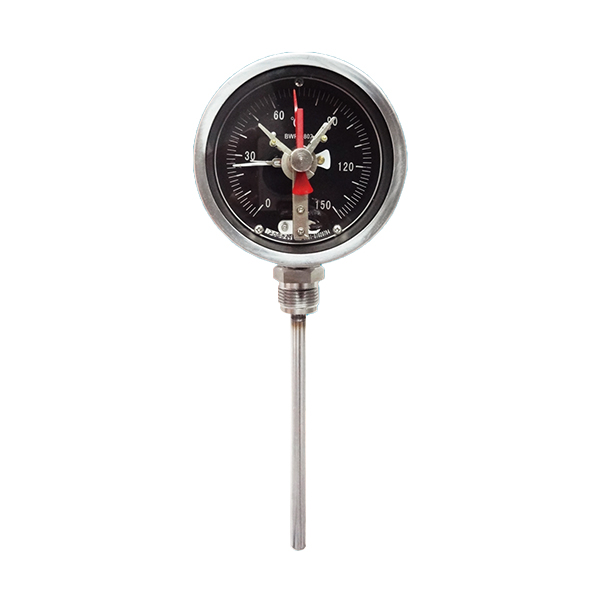
Intellegere difficultates ambientales pro Transformator Thermostati
Extrema Temperaturae et Eorum Effectus
Temperātūrae extrēmae perīcula magnā ad fungendum et ad accurātiam thermōstātis transformātōris oleō immersī constituunt. Temperātūrae ambientēs altāe expansionem thermicam in elementīs sensoriīs causāre possunt, quae ad dēviationem calibrātiōnis et ad falsās lectionēs dūcunt. Thermōstāta necesse est ut praecisam temperātūram observent etiam cum conditiōnēs externae 50°C superent, ut protectiō transformātōris fīda maneat. Variātiōnēs temperātūrae etiam stress mechanīcum in componentibus internīs creant, quod ad defectum praecōcem dūcere potest nisi dispositīvum apta mēchanismīs compensātiōnis thermicae careat.
Extrema frigoris temperaturae diversa problemata systematibus thermometricis transformatorum oleo immersorum praebent. Temperaturae humiles viscositatem fluidorum internorum et responsivitatem elementorum bimetallicorum sensorum afficere possunt. Praeterea, mutationes rapidae temperaturarum inter diurnos et nocturnos cyclos in climatibus deserticis tensionem thermicam cyclorum generant, quae fidem longi temporis minare potest. Specificatio apti intervalli temperaturarum critica fit, cum thermometra ad idoneitatem pro locis geographicis certis aestimantur.
Considerātiōnēs de Humiditāte et Umōre
Ambientia altae humiditatis pericula corrosionis et difficultates insulationis electricae systematibus thermometricis transformatorum oleo immersorum creant. Ingressus umoris connexiones electricas internas laedere et falsa monita vel defectum systematis totius causare potest. Incassationes hermeticæ cum idoneis gradibus protectionis (IP) necessariae sunt ad integritatem operationalem in ambientibus tropicalibus aut litoralibus servandam, ubi nivea humiditatis constanter supra 85% excedunt.
Formatio condenstationis alterum gravissimum negotium repraesentat, praesertim durante transitionibus temperaturarum. Cum aer calidus et humidus superficies frigidiores adtangit, condenstio intra thermostatorum carcasses formari potest, quae ad circuitus breves et damna corrosionis ducunt. Adumbrationes thermostatorum transformatorum oleo immersorum provectae desiccantia vel systemata respiratoria includunt ad umorem efficaciter regendum, dum aequilibrium pressionis atmosphaericae servatur.
Specificationes Technicae pro Applicationibus in Ambientibus Asperis
Exactio Et Requisita Calibrationis
Servare mensuram temperaturae accuratam magis atque magis difficilis fit, cum condicionibus ambientibus gravioribus fiunt. Thermostatorem transformatoris oleo immersi efficacem accurate mensurare debet intra ±2°C per totum suum intervallum operativum, etiam sub condicionibus extremis. Stabilitas calibrati temporis seruat operationem constantem sine frequentibus interventibus manutentionis, quae sunt costosa et logistice difficilia in locis remotis transmarinis.
Tempus responsionis ad temperaturam sentiendam directe afficit efficaciam protectionis transformatoris. Thermistores cito respondentes augumenta temperaturae intra triginta secunda detegere possunt, quae actiones protectivas cito permittunt antequam temperaturae criticae attingantur. Haec celeritas responsionis praesertim importantia est in applicationibus oneris magni, ubi temperaturae transformatorum cito augeri possunt condicionibus defectus aut incrementis oneris inopinatis.
Normae de materiis et constructione
Materiae robustae constructionis fidem longam systematum thermostatum transformatorum oleo immersorum in ambientibus difficilibus confirmant. Tegmina ex accipitro inoxidable praebent optimam resistentiam corrosioni adversus aerem salinum, vapores chemicos, et conditiones acidas quae saepe in installationibus industrialibus transmarinis inveniuntur. Componentes interni ex materiis utendi sunt quae proprietates suas per latos ambitus temperaturarum retinent sine detrimento aut mutationibus dimensionum.
Systemata obsignandi peculiarem attentionem postulant in applicationibus in asperis ambientibus. Obsignatio pluries gradatim cum barriera primaria et secundaria humorem et contaminantes impedit ne intrent, simul dilationem thermicam accommodans. Materialia obsignandi optima, ut sunt elastomera fluorocarbonica, flexibilitatem et efficaciam obsignandi per extrema temperaturarum spectras servant, ut fiducia in operatione per totam vitam producti habeatur. thermostatum transformatoris oleo imbuti operatio per totam vitam producti.
Considerationes Installationis et Alligandi
Strategiae Optimalis Positionis
Recta positio unitatum thermostatum transformatorum oleo immersorum magnopere influentiam habet in accuratia mensurationis et in diuturnitate instrumenti. Loca installationis debent lecturas temperaturae repraesentativas praebere, dum expositio ad radiationem solarem directam, effectus venti, et alios factores ambientales, qui errores mensurationis causare possint, minuitur. Positio strategica certificat ut thermostatum vere temperaturam olei transformatoris reflectat, non autem effectus calefactionis vel refrigerationis locales.
Isolatio vibrationis critica fit in locis industrialibus, ubi operatio machinarum mechanica vibrationem continuam generat. Systemata flexibilia ad coniungendum thermostatum transformatoris oleo-immersi permittunt ei contactum recte servare cum punctis sensus temperaturae, dum simul instrumentum a vibrationibus noxiis isolant, quae fatigationem mechanicam vel solutio nexuum per tempus inducere possent.
Protectio Connexionum Electricarum
Connexiones electrae puncta vulnerabilia sunt in installationibus thermostatorum transformatorum oleo-immersorum, praesertim in aere corrosivo aut alto umoris. Systemata connexionum adversus tempestatem, cum glandulis ad cibos et substantiis obsignantibus idoneis, ingressum umoris prohibent, qui defectus electricos vel degradatio signi causare potest. Connexiones bonae integritatem electricam per cyclum temperaturarum et per stress mechanicum servant.
Considerationes de terrae connexione et de tutela electrica praesertim magni momenti sunt in installationibus transmarinis, ubi normae electricae ab exigentiis domesticis differre possunt. Systemata recte terrae connexa tam thermometrum transformatoris oleo immersi quam instrumenta adiuncta contra defectus electricos protegunt, simul personalem tutelam dum operationes manutentionis fiunt sancientes. Observantia normarum electricarum localium et normarum internationalium de tutela operationem firmam et tutam garantit.
Praestationis et firmitatis rationes
Praesidii Necessitates
Programmata regularia manutentionis continuam exactitudinem et fidem systematum thermometri transformatoris oleo immersi in condicionibus arduis sanciunt. Verificatio calibraturae quotannis fieri debet aut ut fabricator praescribit, frequenterioribus inspectionibus in condicionibus praesertim asperis. Facilitas ad manutentionem accessus impetum habet in pretiis operativis longi temporis, ita ut designa modularia pro installationibus transmarinis praestentia sint, quibus technici specializati rari esse possint.
Protocolli purgationis environmentalis et inspectionis adiuvant ut potestales difficultates ante systematum defectus detegantur. Accumulatio salis, corrosio nascentis, et deterioratio sigillorum observandae sunt et corrigendae ut thermostatorum transformerum oleo-immersorum optima functio servetur. Documentatae procedurae manutentionis constantiam qualitatis muneris garantire possunt, quocumque loco technici experientia variet.
Partes Reservatae et Subsidium Servitii
Facultas partium reservarum et subsidii technici magnopere influat in successum operationalem diuturnum thermostatorum transformerum oleo-immersorum in locis transmarinis. Fabricatores qui retia internationalia subsidii constituerunt melius adiuvant in investigatione causarum errorum et in reparationibus. Facultas partium localium tempus inoperationis et impensas manutentionis minuit, dum fiducia systematis continuo servatur.
Documenta technica et subsidia ad instruendos permittunt personalem localem curae ordinariae efficaciter perficiendas. Manuales integri, manuales ad quaerendos errores, et programata instruendi dependentiam a praebitoribus externis specialibus minuunt. Haec independentia praesertim utilis est in locis remotis, ubi tempora responsionis propter limites geographicos protracta esse possunt.
Iudicia Selectiva et Schema Decisionis
Examinatio Specificatorum Rerum Gestarum
Examinatio specificatorum thermostatum transformatorum oleo immersorum systematis comparationem exigit environmentalium notarum, specificatorum accuratarum, et indiciorum fidibilitatis. Intervalla temperaturarum operativarum superare debent conditiones ambientales expectatas cum marginibus securitatis sufficientibus. Notae resistendi umiditati accommodare debent conditiones pessimas dum accurata specificata in toto intervallo ambientali retinentur.
Characteristicae temporis responsionis directe influunt efficaciam systematis protectionis, quare haec specificatio critica est pro applicationibus, quae ad tutelam pertinent. Tempora responsionis celeriora actiones protectionis celeriores permittunt, sed possunt suscetibilitatem ad falsas alarmitates ex variationibus transitoriis temperaturae augere. Aequilibrare celeritatem responsionis cum stabilitate requirit diligentem considerationem praecipuorum requisitorum applicationis et condicionum operativarum.
Considerationes Analyseos Cogitationis et Lucri
Pretium emptionis initialis tantum unum componentem totius pretii vitae representat pro thermometris transformatorum oleo immersorum. Requisita pro conservatione, frequentia calibrandi, et vita servitutis expectata valde influunt in praestantiam oeconomicam longi temporis. Instrumenta altioris qualitatis cum intervallis servitutis prolatioribus saepe meliorem valorem praebent, quamvis pretium initiale superet, praesertim in locis remotis transmarinis, ubi accessus ad conservationem limitatus est.
Assessio periculi comprehendit aestimationem consequentiarum defectus et impensarum adiunctarum. Defectus thermostati transformatoris oleo-immersi possunt ducere ad damnum transformatoris, ad tempus longum inoperationis, et ad magnas impensas reparationis quae multo excedunt impensas substitutionis ipsius instrumenti. Criterium electionis, quod fiduciam in stabilitatem habet, adiuvat has risicas minuere dum per totam vitam operativam expectatam constantia functionis servatur.
FAQ
Quae nota IP pro thermostatis transformatorum oleo-immersorum in ambientibus altius humiditatis recommendatur?
In ambientibus exteris altius humiditatis, nota IP65 aut superior recommendatur pro thermostatis transformatorum oleo-immersorum. Hoc gradus protectionis impedit ingressum pulveris nocivi et protegit contra iactura aquae ex omni directione, ut certa sit operatio fidelis in condicionibus tropicalibus, in regionibus litoralibus, aut in ambientibus industrialibus ubi saepe procedurae lavationis fiunt. Designatio hermetice clausa accuratam mensuram conservat simulque damnum corrosionis componentibus internis prohibet.
Quotiens thermostati transformatorum oleo immersi in ambientes asperos calibrari debent
Frequentia calibrandi thermostatorum transformatorum oleo immersorum in ambientes asperos saepissime annuatim est, atque verificatio saepior — semestris — in condicionibus maxime difficilibus. Ambientes ad altas temperaturas, ad altam umiditatem et corrosivos accelerare possunt deviationem calibrandi, quare verificatio regularis ad fidem systematum protectionis retinendam necessaria est. Documentatio historiae calibrandi ad intervalla optima ex datis realis functionis constituenda iuvat.
Quae accuratio temperaturae in applicationibus protectionis transformatorum acceptabilis est
Ad efficacem transformatorum protectionem, thermostatorum transformatorum oleo-immersorum accuratio intra ±2°C in toto intervallo operativo esse debet. Hoc accuratio-nivelis fidam excursuum temperaturae detegionem praebet, dum falsa monita, quae inutiles systematis interruptiones causare possent, minuitur. Accuratio superior in applicationibus criticis vel in installationibus cum angustis marginibus operativis necessaria esse potest.
Quae materiae optima corrosionis resistentia pro installationibus transmarinis praebent?
Constructio ex accipensio inoxido, gradus 316 aut superioris, excellentem corrosionis resistentiam pro installationibus thermostatorum transformatorum oleo-immersorum in ambientibus transmarinis praebet. Haec materiae aerem salinum, vapores chemicos et conditiones acidas, quae in applicationibus industrialibus communiter inveniuntur, sustinere possunt. Praeterea, materiae sigillandi fluorocarbonicae flexibilitatem et resistentiam chemicam in latissimis temperaturarum intervallis servant, ut longa durabilitas in difficilibus condicionibus ambientalibus certificetur.
Index Contentorum
- Intellegere difficultates ambientales pro Transformator Thermostati
- Specificationes Technicae pro Applicationibus in Ambientibus Asperis
- Considerationes Installationis et Alligandi
- Praestationis et firmitatis rationes
- Iudicia Selectiva et Schema Decisionis
-
FAQ
- Quae nota IP pro thermostatis transformatorum oleo-immersorum in ambientibus altius humiditatis recommendatur?
- Quotiens thermostati transformatorum oleo immersi in ambientes asperos calibrari debent
- Quae accuratio temperaturae in applicationibus protectionis transformatorum acceptabilis est
- Quae materiae optima corrosionis resistentia pro installationibus transmarinis praebent?