
 EN
EN
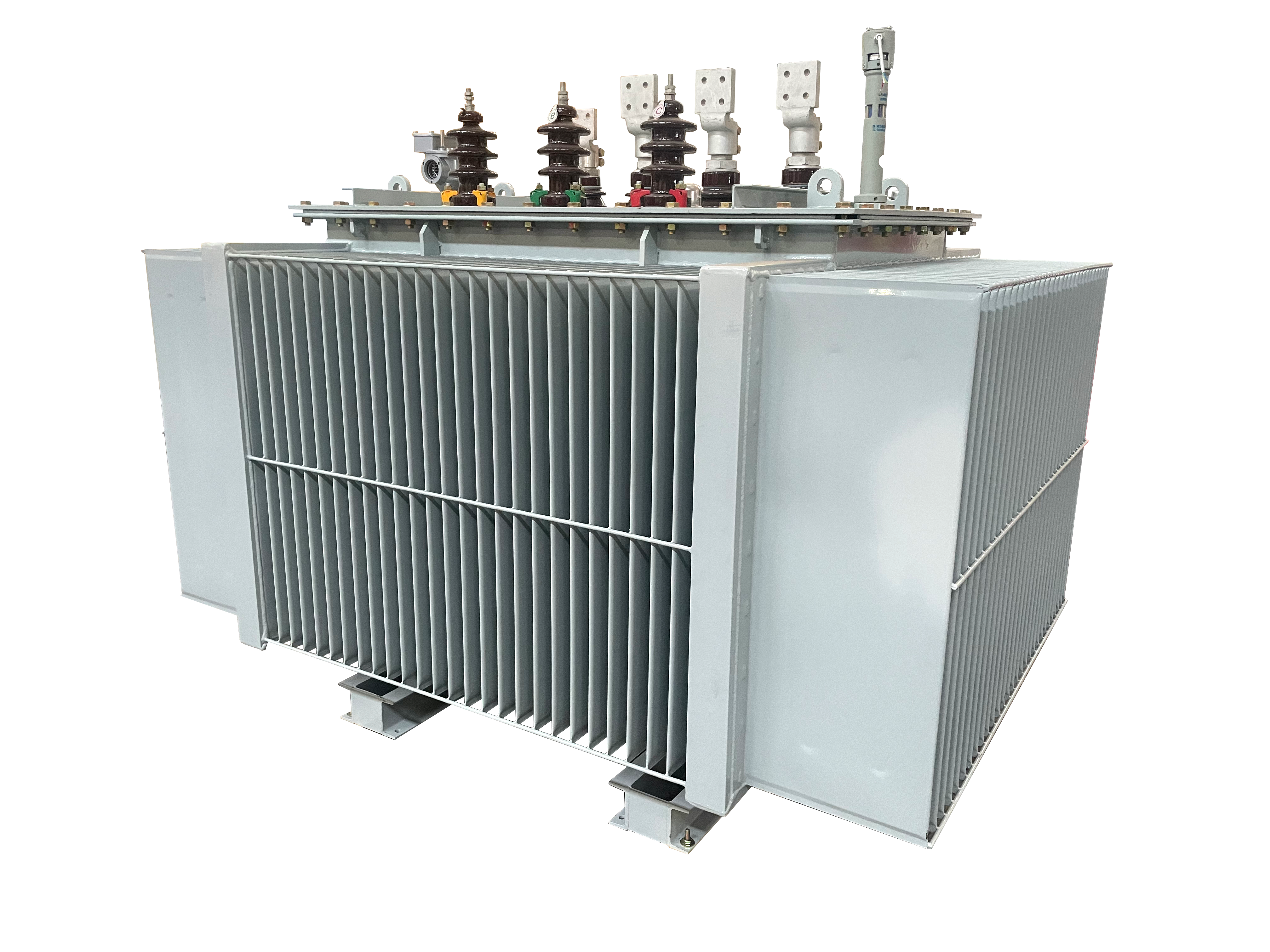
زیرساخت شبکه برق در سراسر جهان بهطور گستردهای به سیستمهای مدیریت ترانسفورماتور کارآمد وابسته است تا پایداری عملیاتی حفظ شده و خرابیهای پرهزینه جلوگیری شوند. ترموستاتهای ترانسفورماتور غوطهور در روغن بهعنوان اجزای حیاتی در نظارت و کنترل دمای ترانسفورماتورها عمل میکنند و عملکرد بهینه آنها را تضمین نموده، در عین حال تجهیزات الکتریکی ارزشمند را در برابر آسیبهای حرارتی محافظت میکنند. این دستگاههای پیشرفته در شبکههای الکتریکی مدرن، جایی که قابلیت اطمینان و دقت در اولویت قرار دارد تا تأمین پیوسته برق به واحدهای صنعتی، ساختمانهای تجاری و مناطق مسکونی امکانپذیر باشد، ضروری و بیجایگزین شدهاند.
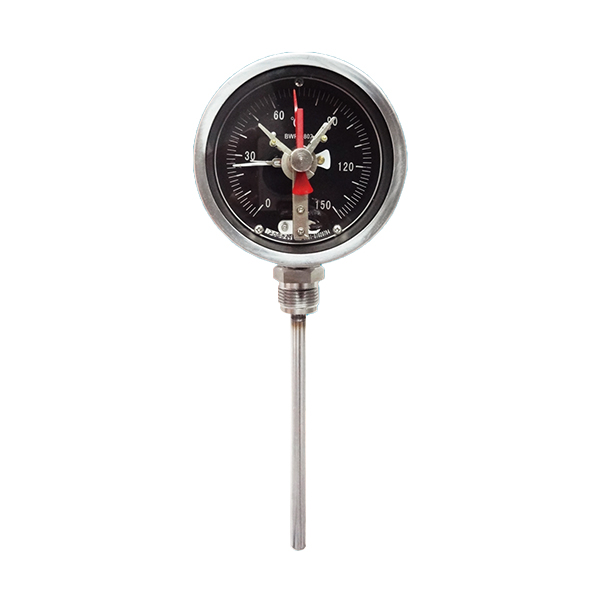
تکامل فناوری نظارت بر دمای ترانسفورماتور در دهههای اخیر پیشرفت قابل توجهی داشته است که عمدتاً ناشی از افزایش نیازهای مربوط به قابلیت اطمینان شبکه و طول عمر تجهیزات است. ترموستاتهای مدرن ترانسفورماتورهای غوطهور در روغن، فناوریهای پیشرفته حسگری، رابطهای دیجیتال و قابلیتهای نظارت از راه دور را در بر میگیرند که امکان اجرای استراتژیهای نگهداری پیشگیرانه و نظارت عملیاتی لحظهای را فراهم میسازند. درک اصول بنیادی و کاربردهای این دستگاهها برای مهندسان برق، اپراتورهای شرکتهای توزیع انرژی و مدیران تأسیسات که مسئولیت مدیریت ناوگان ترانسفورماتورها را بر عهده دارند، امری ضروری است.
درک ترانسفورماتورهای غوطهور در روغن ترانسفورماتور کنترل دما
اصول اساسی عملکرد
ترموستاتهای ترانسفورماتور غوطهور در روغن با نظارت مداوم بر دمای روغن ترانسفورماتور عمل میکنند که این روغن هم بهعنوان محیط عایق و هم بهعنوان عامل خنککننده در داخل مخزن ترانسفورماتور استفاده میشود. این ترموستات از عناصر حساس به دما—معمولاً نوارهای دو فلزی یا سنسورهای الکترونیکی—برای تشخیص تغییرات دما و فعالسازی پاسخهای مناسب در صورت عبور از آستانههای از پیش تعیینشده استفاده میکند. این قابلیت نظارت بسیار حیاتی است، زیرا دمای روغن ترانسفورماتور ارتباط مستقیمی با دمای سیمپیچها و سلامت کلی ترانسفورماتور دارد.
مکانیسم عملیاتی بر اساس اصول انبساط حرارتی کار میکند که در آن تغییرات دما باعث ایجاد جابجاییهای فیزیکی در عناصر حسگر میشوند و این جابجاییها بهطور متوالی تماسهای قطعووصل را فعال میسازند یا سیگنالهای الکترونیکی تولید میکنند. این سیگنالها میتوانند شدت کارکرد فنهای خنککننده، پمپهای روغن، سیستمهای هشدار یا مدارهای رلههای حفاظتی را کنترل کنند که از ترانسفورماتور در برابر شرایط بار اضافی حرارتی محافظت میکنند. دقت و قابلیت اطمینان ترموستاتهای ترانسفورماتور غوطهور در روغن بهطور مستقیم بر طول عمر و بازده عملیاتی ترانسفورماتور تأثیر میگذارد.
فناوریهای نظارت بر دما
ترموستاتهای مدرن ترانسفورماتورهای غوطهور در روغن از فناوریهای مختلف سنسینگ برای دستیابی به اندازهگیری و کنترل دقیق دما استفاده میکنند. ترموستاتهای مکانیکی سنتی از عناصر دو فلزی بهره میبرند که در پاسخ به تغییرات دما از طریق انبساط حرارتی متفاوت واکنش نشان میدهند و عملکرد قابل اعتمادی را بدون نیاز به منابع تغذیه خارجی فراهم میسازند. این طراحیهای مقاوم در محیطهای صنعتی سختگیرانهای که در آنها تداخل الکترومغناطیسی و نوسانات منبع تغذیه رایج هستند، اثربخشی اثباتشدهای داشتهاند.
سنسورهای الکترونیکی دما، از جمله شناساگرهای دمای مقاومتی و ترمستورها، دقت بالاتری را نسبت به گزینههای مکانیکی فراهم میکنند و زمان پاسخ سریعتری دارند. ترموستاتهای دیجیتالی ترانسفورماتورهای غوطهور در روغن، سیستمهای کنترل مبتنی بر ریزپردازنده را شامل میشوند که قابلیتهای تنظیم نقطه تنظیم برنامهپذیر، ثبت دادهها و رابطهای ارتباطی برای ادغام با سیستمهای کنترل نظارتی را ارائه میدهند. این پیشرفت فناورانه امکان اجرای استراتژیهای پیچیدهتر مدیریت دما و بهبود قابلیتهای تشخیصی را فراهم میسازد.
معیارهای حیاتی انتخاب برای کاربردهای جهانی
نیازمندیهای سازگاری محیطی
انتخاب ترموستاتهای مناسب برای ترانسفورماتورهای غوطهور در روغن، در کاربردهای شبکههای برق جهانی، نیازمند بررسی دقیق شرایط محیطی متنوع و نیازهای عملیاتی است. تغییرات آبوهوایی، تفاوت ارتفاع، سطوح رطوبت و تغییرات فشار جو بهطور قابلتوجهی بر عملکرد و قابلیت اطمینان ترموستاتها تأثیر میگذارند. تجهیزات طراحیشده برای محیطهای گرمسیری باید در برابر رطوبت بالا و نوسانات دما مقاوم باشند، در حالی که نصبها در مناطق قطبی نیازمند اجزایی هستند که بتوانند در دمای بسیار پایین بهطور قابلاطمینانی عمل کنند.
فعالیتهای زلزلهای، قرارگیری در معرض شورهزدگی و سطوح آلودگی صنعتی نیز بر معیارهای انتخاب ترموستات تأثیر میگذارند. نصبها در مناطق ساحلی نیازمند مقاومت افزایشیافته در برابر خوردگی هستند، در حالی که تأسیسات واقعشده در مناطق فعال از نظر زلزلهای به طراحیهای مقاوم در برابر لرزش نیاز دارند. ترموستاتهای ترانسفورماتورهای غوطهور در روغن باید مطابقت خود را با استانداردها و گواهینامههای بینالمللی مربوطه اثبات کنند تا عملکرد ایمن آنها در مناطق جغرافیایی مختلف و حوزههای نظارتی متنوع تضمین شود.
مشخصات فنی و استانداردهای عملکرد
مشخصات عملکردی ترموستاتهای ترانسفورماتورهای غوطهور در روغن شامل الزامات دقت، ویژگیهای زمان پاسخ، رتبهبندی تماسها و محدودههای دمایی عملیاتی میشود. دقت معمولاً بسته به نیازهای کاربردی و فناوری سنسور بهکاررفته، در محدوده ±۲°س تا ±۵°س متغیر است. مشخصات زمان پاسخ در کاربردهایی که تغییرات سریع دما رخ میدهد، حیاتی میشوند و نیازمند ترموستاتهایی هستند که قادر به تشخیص و واکنش به نوسانات حرارتی در عرض چند ثانیه یا چند دقیقه باشند.
رتبهبندی تماسها باید بتواند بارهای الکتریکی مرتبط با مدارهای کنترل سیستم خنککننده، سیستمهای هشدار و رابطهای رلههای حفاظتی را تحمل کند. ترموستاتهای ترانسفورماتورهای غوطهور در روغن با کیفیت بالا دارای تماسهایی هستند که برای قطع و وصل بارهای القایی مانند استارتکنندههای موتور و رلههای الکترومغناطیسی طراحی شدهاند. محدوده دمایی عملیاتی باید از شرایط دمای محیطی و دمای روغن پیشبینیشده فراتر رود و حاشیه ایمنی مناسبی داشته باشد تا عملکرد قابل اعتماد در شرایط اضطراری تضمین گردد.
بهترین روشها برای نصب و پیکربندی
راهنماییهای نصب و موقعیتگذاری
نصب صحیح ترموستاتهای ترانسفورماتورهای غوطهور در روغن برای دستیابی به اندازهگیری دقیق دما و عملکرد قابل اعتماد امری حیاتی است. عنصر حسگر ترموستات باید در محلی قرار گیرد که بهدرستی دمای میانگین روغن را نمایش دهد و از مناطقی که تحت تأثیر اثرات گرمایش یا سرمایش موضعی قرار دارند، اجتناب شود. عمق نصب درون مخزن ترانسفورماتور باید مطابق با مشخصات سازنده باشد تا اطمینان حاصل شود که لامپ حسگر در تمام شرایط کاری بهطور کامل در روغن غوطهور است.
ملاحظات مربوط به نصب مکانیکی شامل جداسازی ارتعاشات، جبران انبساط حرارتی و دسترسی آسان برای فعالیتهای نگهداری میشود. پایهی ترموستات باید بهصورت محکم نصب شود تا از شلشدن آن در اثر ارتعاش ترانسفورماتور یا چرخههای حرارتی جلوگیری شود. اتصالات سیمکشی نیازمند آببندی مناسب و ایجاد آزادسازی کششی است تا از نفوذ رطوبت و آسیب مکانیکی جلوگیری شود. مسیریابی کابلها باید از مناطقی که در معرض گرمای زیاد یا تداخل الکترومغناطیسی ناشی از پیچهای ترانسفورماتور قرار دارند، اجتناب کند.
رویههای کالیبراسیون و تست
رویههای راهاندازی ترموستاتهای ترانسفورماتور غوطهور در روغن شامل تأیید کالیبراسیون، آزمون عملکردی و اعتبارسنجی ادغام با سیستمهای کنترل مرتبط است. کالیبراسیون باید با استفاده از استانداردهای مرجع مورد تأیید انجام و مطابق پروتکلهای تضمین کیفیت مستندسازی شود. مقادیر تنظیمشدهی دما باید مطابق توصیههای سازندهی ترانسفورماتور و نیازهای عملیاتی، و با در نظر گرفتن حاشیههای ایمنی و انطباق با مقررات تنظیم شوند.
آزمون عملکردی شامل بررسی عملکرد مدارهای هشدار و کنترل در سطوح دمای مختلف برای اطمینان از ویژگیهای پاسخ مناسب است. آزمون ادغام سازگاری را با سیستمهای کنترل نظارتی، تجهیزات جمعآوری دادهها و پلتفرمهای نظارت از راه دور تأیید میکند. برنامههای نگهداری دورهای کالیبراسیون باید تعیین شوند تا دقت اندازهگیری در طول عمر خدمات ترموستات حفظ گردد.
ویژگیهای پیشرفته و قابلیتهای مدرن
ارتباط دیجیتال و نظارت از راه دور
ترموستاتهای مدرن ترانسفورماتورهای غوطهور در روغن، قابلیتهای ارتباط دیجیتال را در بر میگیرند که امکان ادغام با زیرساخت شبکه هوشمند و سیستمهای نظارت بر وضعیت را فراهم میسازند. پروتکلهای ارتباطی مانند Modbus، DNP3 و IEC 61850، تبادل دادهها را با سیستمهای کنترل نظارتی و جمعآوری دادهها تسهیل میکنند و امکان نظارت و کنترل متمرکز چندین نصب ترانسفورماتور را از مراکز عملیاتی از راه دور فراهم میسازند.
قابلیتهای نظارت از راه دور، دادههای دمای لحظهای، اطلاعات وضعیت هشدار و دادههای روند تاریخی را ارائه میدهند که از استراتژیهای نگهداری پیشبینانه و برنامههای مدیریت دارایی حمایت میکنند. این ویژگیها به اپراتورهای شرکتهای توزیع برق امکان میدهند تا باردهی ترانسفورماتورها را بهینهسازی کنند، فعالیتهای نگهداری را زمانبندی نمایند و مشکلات احتمالی را پیش از اینکه منجر به خرابی تجهیزات یا قطعی خدمات شوند، شناسایی کنند.
ویژگیهای تشخیصی و نگهداری پیشبینانه
پیشرفته دماسنجهای ترانسفورماتور غوطهور در روغن دارای قابلیتهای تشخیصی برای نظارت بر سلامت دستگاه و پارامترهای عملکردی هستند. ویژگیهای خودتشخیصی میتوانند انحراف سنسورها، سایش تماسها و خرابیهای ارتباطی را شناسایی کرده و هشدار اولیهای دربارهی اختلالات احتمالی دستگاه ارائه دهند. قابلیتهای ثبت دادهها، پروفایلهای دما و رویدادهای عملیاتی را ذخیره میکنند که از فعالیتهای تحلیل روند و ارزیابی وضعیت حمایت میکنند.
الگوریتمهای نگهداری پیشبینانه از الگوهای دادههای دما برای شناسایی رفتارهای غیرعادی و پیشبینی روندهای تخریب تجهیزات استفاده میکنند. این قابلیتها امکان زمانبندی پیشگیرانهٔ نگهداری را فراهم میسازند و به جلوگیری از خرابیهای غیرمنتظره که ممکن است منجر به آسیبهای گرانقیمت به ترانسفورماتور یا قطعیهای طولانیمدت شوند، کمک میکنند. ادغام با سیستمهای مدیریت دارایی، حمایت جامعی از مدیریت چرخه عمر ناوگان ترانسفورماتورها ارائه میدهد.
استانداردهای جهانی و انطباق با مقررات
شرایط گواهینامهدهی بینالمللی
ترموستاتهای ترانسفورماتورهای غوطهور در روغن باید با استانداردهای بینالمللی مختلف و الزامات گواهینامهدهی مطابقت داشته باشند تا عملکرد ایمن آنها در کاربردهای شبکههای برق جهانی تضمین شود. استانداردهای IEC دستورالعملهای جامعی را برای لوازم جانبی ترانسفورماتور، از جمله دستگاههای نظارت بر دما، ارائه میدهند؛ در حالی که استانداردهای IEEE الزامات خاص عملکردی و آزمایشی را برای کاربردهای آمریکای شمالی تعیین میکنند. الزامات علامتگذاری CE در اروپا مطابقت با دستورالعملهای مربوط به ایمنی و سازگاری الکترومغناطیسی را ضروری میدانند.
سازمانهای ملی تأیید صلاحیت منطقهای مانند UL، CSA و سایر سازمانهای استاندارد ملی، مسیرهای اضافی تأیید صلاحیت را برای نیازهای خاص بازار فراهم میکنند. اسناد انطباق باید از طریق آزمونهای جامع و برنامههای تضمین کیفیت، رعایت استانداردهای قابل اعمال را اثبات نمایند. سازندگان موظفند تأیید صلاحیت خود را بهروز نگه دارند و در پاسخ به الزامات نظارتی در حال تغییر، هنگام بهروزرسانی و بازنگری استانداردها اقدامات لازم را انجام دهند.
استانداردهای ایمنی و عملکرد
استانداردهای ایمنی برای ترموستاتهای ترانسفورماتورهای غوطهور در روغن، الزامات ایمنی الکتریکی، یکپارچگی مکانیکی و حفاظت محیطی را پوشش میدهند. ملاحظات ایمنی الکتریکی شامل هماهنگی عایقبندی، حفاظت در برابر اتصال کوتاه و سازگاری الکترومغناطیسی برای جلوگیری از ایجاد تداخل با سایر تجهیزات الکتریکی میباشد. استانداردهای طراحی مکانیکی مواد، روشهای ساخت و رویههای آزمون را مشخص میکنند تا عملکرد قابل اعتماد تجهیز در شرایط محیطی تعیینشده تضمین گردد.
استانداردهای عملکرد، نیازمندیهای دقت، مشخصات زمان پاسخ و رویههای آزمون استحکام را تعریف میکنند که قابلیت اطمینان دستگاه را در دورههای طولانیمدت خدمات تأیید مینمایند. سیستمهای مدیریت کیفیت باید انطباق خود با الزامات استاندارد ISO 9001 و استانداردهای کیفی خاص صنعت را اثبات کنند. مستندات قابلیت ردیابی، نیازمندیهای مسئولیت محصول را پشتیبانی کرده و امکان انجام فعالیتهای پشتیبانی مؤثر در محل را فراهم میسازند.
ملاحظات اقتصادی و تحلیل هزینه و فایده
هزینههای اولیه سرمایهگذاری و چرخه عمر
ارزیابی اقتصادی ترموستاتهای ترانسفورماتورهای غوطهور در روغن، نیازمند بررسی هزینههای اولیه خرید، هزینههای نصب و نیازمندیهای تعمیر و نگهداری جاری در طول عمر خدمات دستگاه است. اگرچه ترموستاتهای دیجیتال پیشرفته ممکن است هزینه اولیه بالاتری نسبت به واحدهای مکانیکی ساده داشته باشند، اما قابلیتها و ویژگیهای تشخیصی بهبودیافته آنها اغلب از طریق افزایش کارایی عملیاتی و کاهش هزینههای تعمیر و نگهداری، سرمایهگذاری مورد نظر را توجیه میکنند.
تحلیل هزینههای دوره عمر باید صرفهجویی در انرژی ناشی از بهینهسازی عملکرد سیستم خنککننده، کاهش نیازهای نگهداری ترانسفورماتور و هزینههای جلوگیریشده از خرابیها را شامل شود. قابلیتهای پایش از راه دور میتوانند نیاز به بازدیدهای حضوری از محل را بهطور چشمگیری کاهش داده و زمانبندی نگهداری را کارآمدتر سازند، که این امر منجر به صرفهجویی قابل توجه در هزینههای عملیاتی برای نصبهای چندمحلی میشود.
محاسبات بازده سرمایهگذاری
محاسبات بازگشت سرمایهگذاری برای ترموستاتهای ترانسفورماتور غوطهور در روغن باید هم مزایای مالی مستقیم و هم ارزشآفرینی غیرمستقیم ناشی از بهبود قابلیت اطمینان و انعطافپذیری عملیاتی را در نظر بگیرد. مزایای مستقیم شامل کاهش هزینههای نگهداری، صرفهجویی در انرژی و هزینههای جایگزینی جلوگیریشده از خرابیهای ترانسفورماتور است. مزایای غیرمستقیم شامل بهبود قابلیت اطمینان شبکه، افزایش بهرهوری داراییها و کاهش ریسکهای مربوط به انطباق با مقررات تنظیمی میشود.
کمّیسازی بهبودهای قابلیت اطمینان نیازمند تحلیل آماری نرخهای خرابی و هزینههای قطع برق است تا ارزش پیشنهادی قابلیتهای پیشرفتهتر نظارت بر دما اثبات شود. بسیاری از شرکتهای توزیع برق، دوره بازگشت سرمایه را برای نصب ترموستاتهای پیشرفته بین دو تا پنج سال گزارش میدهند که این مدت بستگی به حساسیت ترانسفورماتور و نیازهای عملیاتی دارد.
سوالات متداول
طول عمر معمول ترموستاتهای ترانسفورماتور غوطهور در روغن چقدر است؟
ترموستاتهای ترانسفورماتور غوطهور در روغن معمولاً دارای عمر خدماتی بین ۱۵ تا ۲۵ سال هستند که این محدوده بستگی به شرایط محیطی، رویههای نگهداری و کیفیت دستگاه دارد. ترموستاتهای مکانیکی اغلب به دلیل ساختار سادهترشان عمر خدماتی طولانیتری دارند، در حالی که دستگاههای الکترونیکی ممکن است نیازمند کالیبراسیون و تعویض اجزا با فراوانی بیشتری باشند. انجام منظم نگهداری و کالیبراسیون به حداکثر رساندن عمر دستگاه و حفظ دقت اندازهگیری در طول دوره خدمات کمک میکند.
ترموستاتهای ترانسفورماتور غوطهور در روغن چگونه با نشانگرهای دمای سیمپیچ تفاوت دارند؟
ترموستاتهای ترانسفورماتورهای غوطهور در روغن، دمای روغن را بهطور مستقیم اندازهگیری میکنند و معمولاً تجهیزات خنککننده یا سیستمهای هشدار را کنترل مینمایند؛ در حالی که نشانگرهای دمای پیچش (سیمپیچ)، دمای پیچش را با استفاده از اندازهگیری دمای روغن و محاسبات گرمایش وابسته به جریان برآورد میکنند. نشانگرهای دمای پیچش بازنمایی دقیقتری از شرایط واقعی پیچش ارائه میدهند، اما نسبت به ترموستاتهای روغن، نیازمند رویههای تنظیم و کالیبراسیون پیچیدهتری هستند.
آیا ترموستاتهای ترانسفورماتورهای غوطهور در روغن را میتوان به ترانسفورماتورهای موجود نصب مجدد کرد؟
بیشتر ترموستاتهای ترانسفورماتورهای غوطهور در روغن را میتوان از طریق جایگزینی دستگاههای موجود نظارت بر دما یا نصب در سوراخهای حرارتی (thermowell) استفادهنشده، در ترانسفورماتورهای موجود ارتقا داد. ملاحظات ارتقای این تجهیزات شامل سازگانی مکانیکی، الزامات رابط الکتریکی و احتمال نیاز به اصلاحات در مدار کنترل میشود. نصب توسط متخصص توصیه میشود تا اطمینان حاصل شود که درزبندی مناسب، کالیبراسیون دقیق و ادغام صحیح با سیستمهای کنترل موجود انجام شده است.
نگهداری مورد نیاز برای ترموستاتهای ترانسفورماتورهای غوطهور در روغن چیست؟
نگهداری دورهای ترموستاتهای ترانسفورماتور غوطهور در روغن شامل بررسی دورهای صحت کالیبراسیون، پاکسازی تماسها و آزمون عملکردی مدارهای هشدار و کنترل است. فواصل نگهداری معمولاً از سالانه تا دوسالانه متغیر است و بستگی به نوع دستگاه و شرایط کارکرد دارد. ترموستاتهای دیجیتال ممکن است نیازمند بهروزرسانیهای نرمافزاری و نگهداری سیستمهای ارتباطی باشند، در حالی که دستگاههای مکانیکی نیازمند بازرسی فیزیکی قطعات متحرک و سطوح تماس برای اطمینان از عملکرد قابل اعتماد هستند.
فهرست مطالب
- درک ترانسفورماتورهای غوطهور در روغن ترانسفورماتور کنترل دما
- معیارهای حیاتی انتخاب برای کاربردهای جهانی
- بهترین روشها برای نصب و پیکربندی
- ویژگیهای پیشرفته و قابلیتهای مدرن
- استانداردهای جهانی و انطباق با مقررات
- ملاحظات اقتصادی و تحلیل هزینه و فایده
-
سوالات متداول
- طول عمر معمول ترموستاتهای ترانسفورماتور غوطهور در روغن چقدر است؟
- ترموستاتهای ترانسفورماتور غوطهور در روغن چگونه با نشانگرهای دمای سیمپیچ تفاوت دارند؟
- آیا ترموستاتهای ترانسفورماتورهای غوطهور در روغن را میتوان به ترانسفورماتورهای موجود نصب مجدد کرد؟
- نگهداری مورد نیاز برای ترموستاتهای ترانسفورماتورهای غوطهور در روغن چیست؟