Las llamadas urgentes de pedidos por parte de compradores europeos se han convertido en el ruido de fondo diario para las fábricas chinas de transformadores. "¿Se puede acortar el plazo de entrega de 12 meses a 9 meses?" Solicitudes urgentes similares han surgido intensamente desde principios de este año. Datos de la Administración General de Aduanas muestran que en los primeros nueve meses de 2025, el valor de las exportaciones de transformadores de China alcanzó los 46.480 millones de yuanes, con un aumento interanual del 138% en el mercado europeo, e incluso los centros de datos de EE. UU. están dispuestos a pagar una prima del 20% para acelerar sus pedidos. Este dispositivo, una vez considerado un pesado bloque de hierro, se ha convertido ahora en el "salvavidas" para la modernización de la red eléctrica mundial.
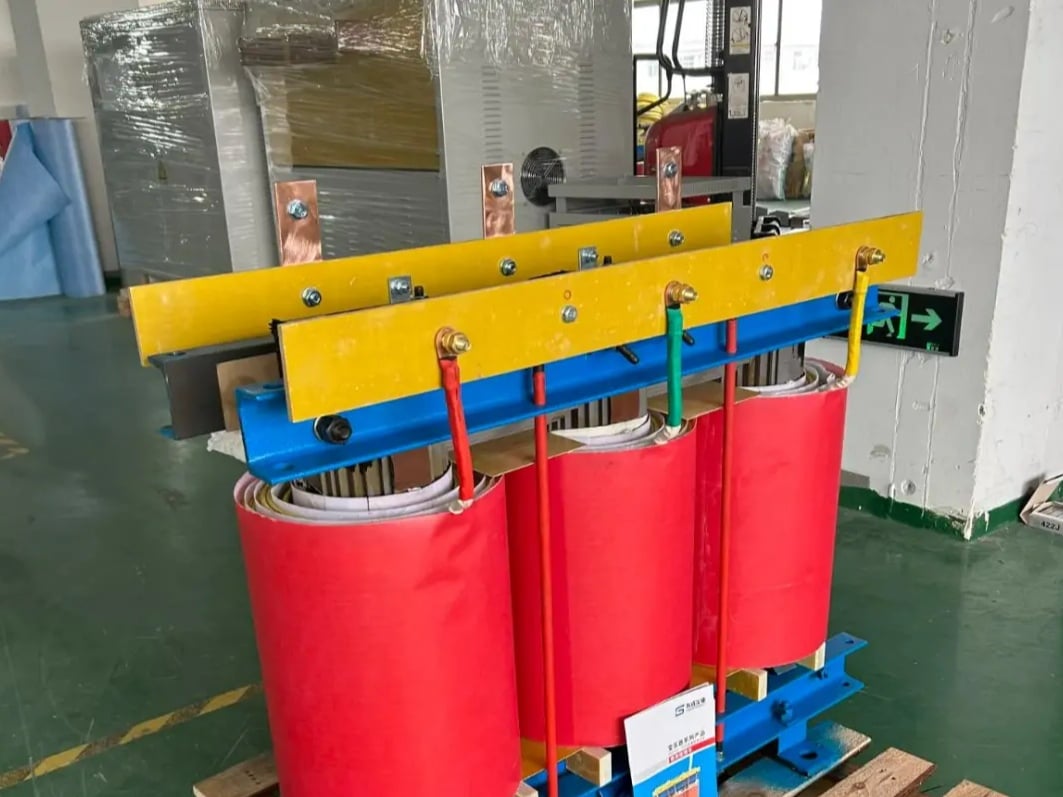
La escasez de transformadores está desencadenando una reacción en cadena. En Estados Unidos, más del 70 % de los transformadores llevan más de 25 años en servicio, y algunos equipos han estado "sobreserviciados" hasta por 40 años, lo que provocará una escasez de hasta el 30 % de los transformadores a nivel nacional para 2025. En Texas, un centro de datos con inteligencia artificial experimentó frecuentes interrupciones debido a una tensión inestable, y finalmente logró aliviar la crisis al ofrecer un precio superior al de otros interesados para obtener un lote de transformadores personalizados procedentes de China a un costo más elevado. La situación en Europa es igualmente grave, ya que los fabricantes locales generalmente tienen plazos de entrega superiores a 18 meses. Tras esperar infructuosamente durante medio año, un parque industrial en Alemania recurrió a proveedores chinos y pagó un cargo adicional para acelerar el proceso, con el fin de mantener el avance de la renovación de su red eléctrica.
Generar demanda
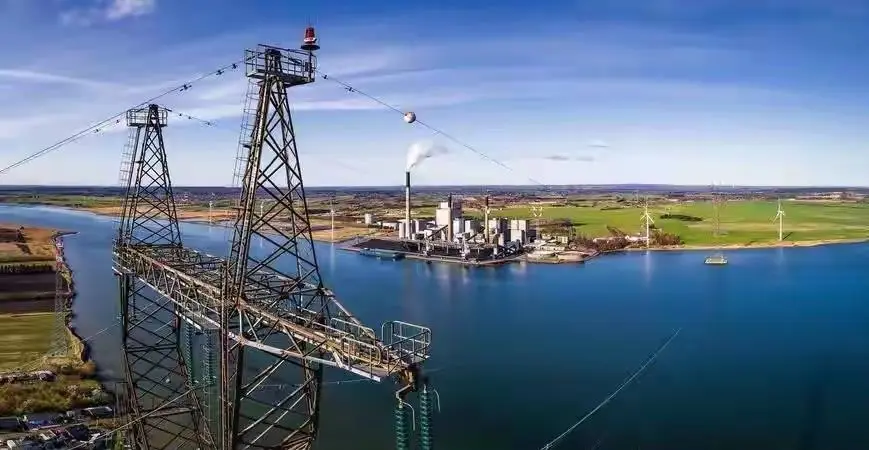
La explosión en el lado de la demanda ha provocado que la brecha continúe ampliándose. Entrenar un modelo de inteligencia artificial a nivel GPT-6 requiere una vez la implementación descentralizada de 100.000 chips GPU, ya que una puesta en marcha centralizada podría sobrecargar directamente las redes eléctricas locales. El modelo de lenguaje grande de Google, PaLM, consume en un solo día tanta electricidad como 118.000 hogares estadounidenses, y estos "devoradores de energía" dependen de transformadores dedicados para la estabilización del voltaje. Mientras tanto, la producción mundial de vehículos eléctricos alcanzó los 17,3 millones de unidades en 2024, cada vehículo requiere de 5 a 6 transformadores, y la construcción de redes de puntos de carga ha impulsado aún más la enorme demanda de equipos de distribución eléctrica. La Agencia Internacional de Energía predice que la inversión global en redes eléctricas superará los 600 mil millones de dólares para 2030, y los transformadores, como las "estaciones de transferencia" de la electricidad, escasean.
Crear un regreso
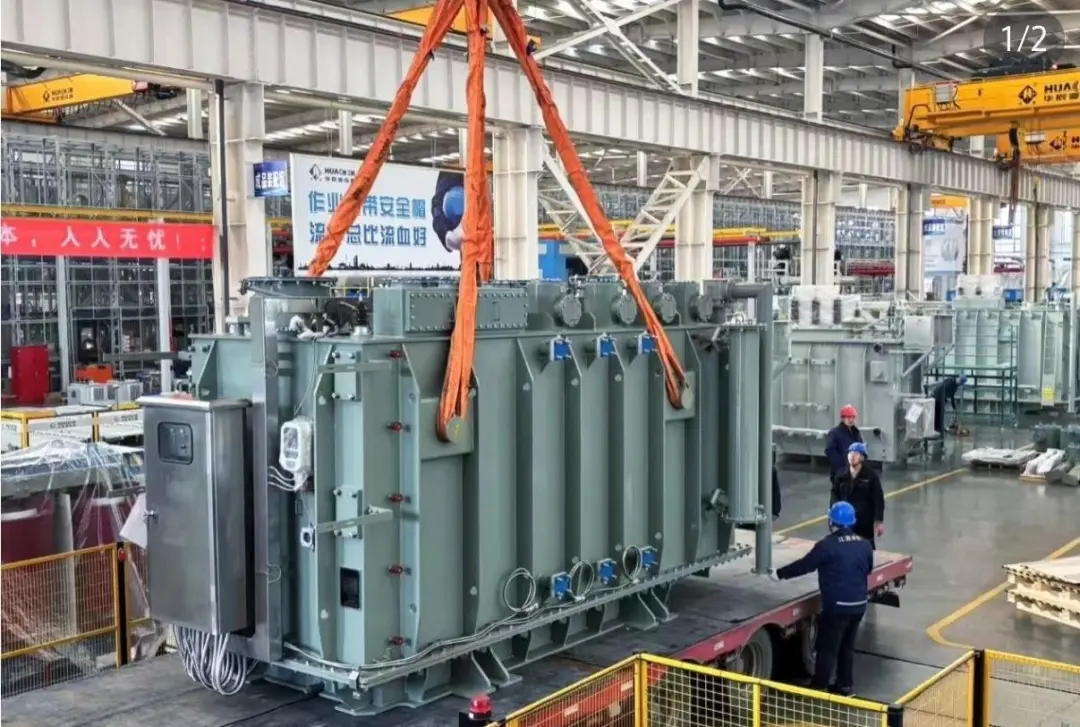
La capacidad de producción de transformadores de China representa más del 60 % del total mundial, con empresas como TBEA y Jinpan Technology firmemente ubicadas entre las diez principales del mundo. La clave radica en sus ventajas de cadena industrial completa: desde láminas de acero al silicio de alta gama de Baosteel hasta papel aislante y conmutadores bajo carga, la producción 100 % nacional reduce los costos un 20 % en comparación con las importaciones. En el conglomerado industrial de Jiaozhou-Changzhou, si una fábrica de ensamblaje se queda sin núcleos, las fábricas vecinas pueden entregarlos el mismo día, mientras que sus homólogas europeas y estadounidenses necesitan coordinar envíos entre estados o incluso países. Esta eficiencia permite a las empresas chinas reducir los tiempos de entrega a 10-12 meses, con pedidos urgentes entregables en 3 meses, mientras que los fabricantes extranjeros necesitan seis meses solo para modificar parámetros.
Estereotipo
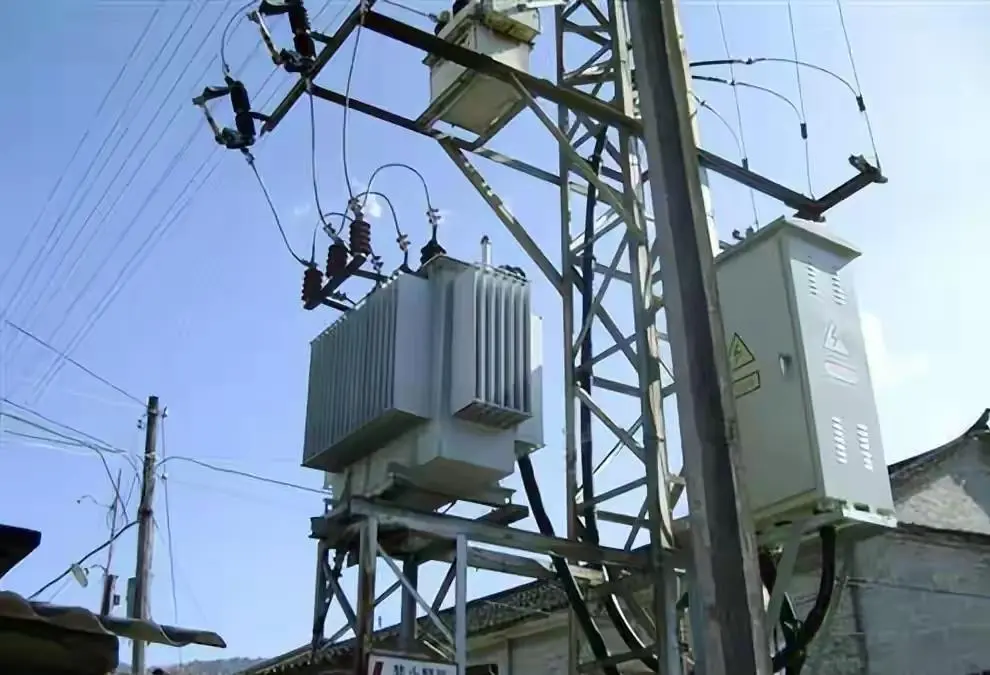
Los transformadores chinos no son sinónimos de 'bajo precio'. El precio medio de exportación ha aumentado de 12.000 dólares por unidad en 2020 a 20.800 dólares por unidad en 2025, con los modelos de gama alta duplicando su precio. Las soluciones personalizadas para diferentes escenarios se han convertido en una ventaja competitiva: los proyectos para África se adaptan a entornos de alta temperatura y alta humedad, los centros de datos europeos están equipados con sistemas de control inteligente, y el primer transformador del mundo de aceite vegetal de 500 kV puesto en funcionamiento en Guangzhou ha roto los monopolios tecnológicos extranjeros en materia ambiental. En 2025, EDF (Compañía Eléctrica Francesa) realizó un pedido único de 50 grandes transformadores chinos, lo que representa un tercio de su volumen anual de compras.
Avance Flexible
Ante la política de EE. UU. de imponer un arancel del 104 % a los transformadores chinos, las empresas chinas han realizado comercio de tránsito a través de sus filiales en México para eludir restricciones mediante la adopción de 'producción localizada'. Jinpan Technology utiliza el modelo Shelter en México para las etapas intermedias y finales del procesamiento de transformadores secos, con productos suministrados directamente al mercado estadounidense. Mientras tanto, la producción nacional en EE. UU. solo puede satisfacer el 20 % de la demanda, lo que finalmente llevó a EE. UU. a aprobar exenciones arancelarias parciales.

Brote sincrónico
Mientras el mercado internacional experimenta un auge, los proyectos domésticos de UHV están comenzando intensamente. El proyecto UHV desde el Sudoeste de Tíbet hasta Guangdong-Hong Kong-Macao se lanzará en septiembre de 2025, con un costo superior a los 20 millones de yuanes por transformador UHV, y la demanda total de transformadores para el proyecto asciende a aproximadamente 1000 millones de yuanes. Los transformadores fabricados en Baoding ya han capturado el 33% de la participación nacional en el mercado UHV y han desarrollado un transformador de tracción especial para trenes de levitación magnética con una velocidad de 600 km/h.

 EN
EN