 EN
EN
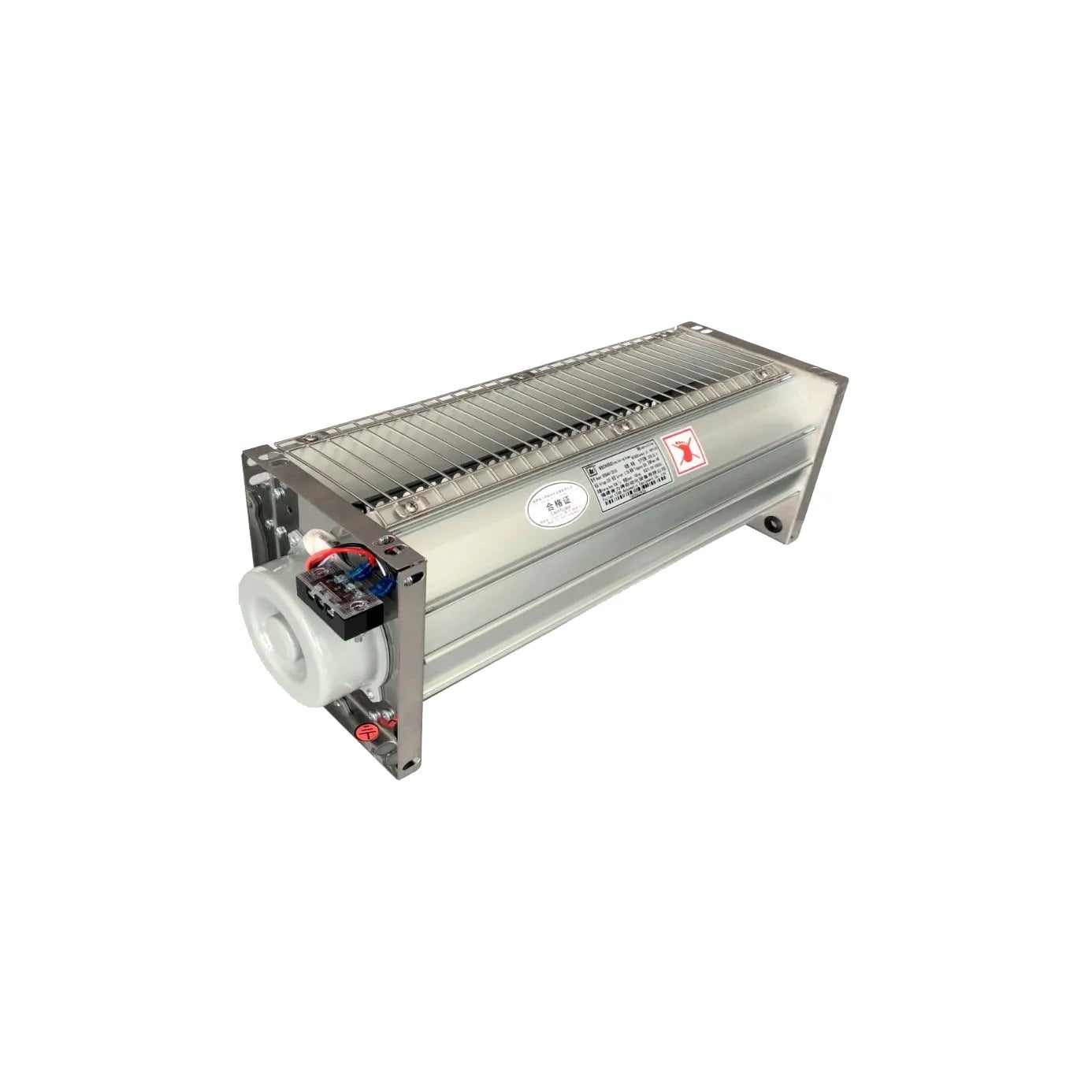
শুষ্ক-প্রকারের ট্রান্সফরমার সিস্টেমে শীতলীকরণ ফ্যানগুলি একটি গুরুত্বপূর্ণ উপাদান, যা অপ্টিমাল কার্যকরী তাপমাত্রা নিশ্চিত করে এবং ইনসুলেশনের অখণ্ডতা ও কার্যকরী আয়ুকে ক্ষতিগ্রস্ত করতে পারে এমন তাপীয় ক্ষতি প্রতিরোধ করে। তেল-নিমজ্জিত ট্রান্সফরমারগুলির বিপরীতে, যেগুলি তরল শীতলীকরণ মাধ্যমের উপর নির্ভরশীল, শুষ্ক ট্রান্সফরমার ইউনিটগুলি বৈদ্যুতিক রূপান্তর প্রক্রিয়ায় উৎপন্ন তাপ বিলুপ্ত করার জন্য সম্পূর্ণরূপে বাধ্যতামূলক বায়ু সঞ্চালনের উপর নির্ভরশীল। শীতলীকরণ ফ্যান অ্যাসেম্বলি ট্রান্সফরমারের দক্ষতা, আয়ু এবং নিরাপত্তার সরাসরি প্রভাব ফেলে, ফলে শিল্প সুবিধা পরিচালকদের এবং বৈদ্যুতিক প্রকৌশলীদের জন্য উপযুক্ত রক্ষণাবেক্ষণ এবং সময়মতো প্রতিস্থাপন অত্যাবশ্যক।
সাধারণ ব্যর্থতার মোডগুলি বোঝা, কৌশলগত রক্ষণাবেক্ষণ প্রোটোকল বাস্তবায়ন করা এবং প্রতিস্থাপনের সূচকগুলি চিহ্নিত করা ট্রান্সফরমারের বিপর্যয়কর ব্যর্থতা এবং ব্যয়বহুল অপরিকল্পিত ডাউনটাইম প্রতিরোধ করতে পারে। এই ব্যাপক গাইডটি শুষ্ক ট্রান্সফরমার শীতলীকরণ সিস্টেমে সাধারণত দেখা যাওয়া ত্রুটিগুলি নিয়ে আলোচনা করে, প্রমাণ-ভিত্তিক রক্ষণাবেক্ষণ সময়সূচী প্রতিষ্ঠা করে এবং ফ্যানের অপ্টিমাল প্রতিস্থাপন সময় নির্ধারণের জন্য ব্যবহারিক মাপদণ্ড প্রদান করে। একটি একক সাবস্টেশন পরিচালনা করছেন হোক বা একাধিক শিল্প বিদ্যুৎ বিতরণ নেটওয়ার্ক তদারক করছেন, এই শীতলীকরণ ফ্যান ব্যবস্থাপনা নীতিগুলি আয়ত্ত করা ট্রান্সফরমারের অবিচ্ছিন্ন ও নির্ভরযোগ্য কার্যকারিতা নিশ্চিত করে।
শুষ্ক ট্রান্সফরমারে প্রাথমিক ব্যর্থতার মোড ট্রান্সফরমার শীতলীকরণ ফ্যান সিস্টেম
বেয়ারিংয়ের অবনতি এবং যান্ত্রিক ক্ষয়
বেয়ারিং ব্যর্থতা শুষ্ক ট্রান্সফরমার কুলিং ফ্যানগুলিতে সবচেয়ে প্রচলিত যান্ত্রিক ত্রুটি হিসাবে বিবেচিত হয়, যা শিল্প প্রয়োগে ফ্যান-সম্পর্কিত সমস্ত ব্যর্থতার প্রায় চল্লিশ থেকে পঞ্চাশ শতাংশ গঠন করে। এই প্রয়োগগুলিতে সাধারণত ব্যবহৃত বল বেয়ারিং এবং স্লিভ বেয়ারিং উভয়ের মধ্যেই ঘূর্ণনজনিত চাপ এবং তাপীয় চক্রের সমন্বয়ে ধীরে ধীরে ক্ষয় সৃষ্টি হয়। প্রাথমিক লক্ষণগুলির মধ্যে কম্পনের সূক্ষ্ম বৃদ্ধি অন্তর্ভুক্ত থাকে, যা বেয়ারিংয়ের পৃষ্ঠের ক্ষয় বৃদ্ধির সাথে ধীরে ধীরে তীব্রতর হয় এবং অবশেষে শোনা যাওয়া ঘষন শব্দ উৎপন্ন করে যা অবিলম্বে ব্যর্থতার ইঙ্গিত দেয়।
শুষ্ক ট্রান্সফরমার পরিচালনার সহজাত তাপমাত্রা পরিবর্তনগুলি বেয়ারিং অ্যাসেম্বলিগুলিতে লুব্রিক্যান্টের বিঘ্ন ঘটায়, বিশেষত যেসব ইউনিটগুলিতে প্রায়শই লোড পরিবর্তন হয়। যখন লুব্রিক্যান্টের সান্দ্রতা পরিবর্তিত হয় এবং দূষণ জমা হয়, তখন ঘর্ষণ সহগ উল্লেখযোগ্যভাবে বৃদ্ধি পায়, যা অতিরিক্ত তাপ উৎপন্ন করে যা আবার লুব্রিক্যান্ট এবং বেয়ারিং উপকরণ উভয়কেই আরও ক্ষতিগ্রস্ত করে। এই স্ব-প্রবলিত অবনতির চক্রটি একবার শুরু হয়ে গেলে দ্রুত অগ্রসর হতে পারে, যা প্রায়শই অপারেটররা প্রাথমিক সতর্কতা পর্যায়ে হস্তক্ষেপ না করলে সম্পূর্ণ সিজার (আটকে যাওয়া) এর মধ্যে পৌঁছায়।
পরিবেশগত কারকগুলি শুষ্ক ট্রান্সফরমার ইনস্টলেশনে বেয়ারিংয়ের আয়ুকে উল্লেখযোগ্যভাবে প্রভাবিত করে। বেয়ারিং হাউজিংয়ের মধ্যে ধূলিকণার জমাট ঘষণকারী কণা প্রবেশ করায় ক্ষয় হার ত্বরান্বিত হয়, অন্যদিকে আর্দ্রতা প্রবেশ করলে ক্ষয়রোধী পৃষ্ঠের গুণগত মান ক্ষুণ্ণ হয়। সমুদ্র তীরবর্তী অঞ্চল বা উচ্চ কণা ঘনত্বযুক্ত শিল্প এলাকায় অবস্থিত সুবিধাগুলির ক্ষেত্রে নিয়ন্ত্রিত অভ্যন্তরীণ পরিবেশে স্থাপিত বেয়ারিংয়ের তুলনায় বেয়ারিংয়ের পরিষেবা সময়কাল সাধারণত সংক্ষিপ্ত হয়।
মোটর ওয়াইন্ডিং ইনসুলেশন বিফল
শীতলকরণ ফ্যান মোটরগুলিতে বৈদ্যুতিক অন্তরক ব্যর্থতা দ্বিতীয় সবচেয়ে সাধারণ ত্রুটি শ্রেণি গঠন করে, যা সাধারণত হঠাৎ বিপজ্জনক ঘটনার পরিবর্তে ধীরে ধীরে রোধের অবনতির মাধ্যমে প্রকাশ পায়। শুষ্ক ট্রান্সফরমার ফ্যানগুলিতে মোটর ওয়াইন্ডিংগুলিকে রক্ষা করে এমন অন্তরক উপকরণগুলি চলমান তাপীয় চাপের সম্মুখীন হয়, যেখানে তাপমাত্রা চক্রের কারণে প্রসারণ ও সংকোচন ঘটে এবং এটি ধীরে ধীরে ডাই-ইলেকট্রিক বৈশিষ্ট্যগুলিকে ক্ষুণ্ণ করে। দীর্ঘ সময় ধরে কার্যকর হওয়ার সময়, অন্তরক স্তরগুলিতে সূক্ষ্ম ফাটল তৈরি হয়, যা বর্তমান লিকেজের পথ তৈরি করে এবং এটি বিদ্যুৎ খরচ ও তাপ উৎপাদন বৃদ্ধি করে।
শিল্প বিদ্যুৎ সিস্টেমে উপস্থিত ভোল্টেজ ট্রানজিয়েন্ট এবং হারমোনিক বিকৃতি ফ্যান মোটরগুলির ইনসুলেশনের দ্রুত বয়স্করণে উল্লেখযোগ্যভাবে অবদান রাখে। এই বৈদ্যুতিক চাপগুলি ওয়াইন্ডিং অ্যাসেম্বলিগুলির মধ্যে স্থানীয় উত্তপ্ত অঞ্চল সৃষ্টি করে, বিশেষ করে সংযোগ বিন্দু এবং ক্রসিং জংশনগুলিতে, যেখানে বৈদ্যুতিক ক্ষেত্রের ঘনত্ব স্বাভাবিকভাবে ঘটে। হাজার হাজার ছোট ছোট বৈদ্যুতিক চাপের ঘটনার সঞ্চিত ক্ষতি শেষ পর্যন্ত পরিমাপযোগ্য ইনসুলেশন রেজিস্ট্যান্স হ্রাস হিসাবে প্রকাশ পায়, যা সম্পূর্ণ ব্যর্থতা ঘটার আগে নিয়মিত মেগোহমিটার পরীক্ষার মাধ্যমে শনাক্ত করা যায়।
ড্রাই ট্রান্সফরমার কুলিং ফ্যানের মোটর ইনসুলেশনের জন্য আর্দ্রতার প্রবেশ একটি বিশেষভাবে ধ্বংসাত্মক প্রক্রিয়া। মোটর হাউজিং-এ প্রবেশ করা জলীয় বাষ্প শীতল ওয়াইন্ডিং পৃষ্ঠে ঘনীভূত হয়, যা ইনসুলেশনের কার্যকারিতা হ্রাস করে এবং ইলেক্ট্রোকেমিক্যাল অবক্ষয় প্রক্রিয়াকে ত্বরান্বিত করে। যেসব প্রতিষ্ঠানে পরিবেশগত নিয়ন্ত্রণ ব্যবস্থা অপর্যাপ্ত অথবা যেখানে দিনের বিভিন্ন সময়ে তাপমাত্রার উল্লেখযোগ্য তারতম্য ঘটে, সেখানে আর্দ্রতাজনিত ইনসুলেশন বিকল হওয়ার ঝুঁকি বেড়ে যায়, যার ফলে ক্ষতিগ্রস্ত স্থাপনাগুলোর জন্য আরও ঘন ঘন পরিদর্শনের প্রয়োজন হয়।
ব্লেড অসাম্য এবং কাঠামোগত ক্লান্তি
শুষ্ক ট্রান্সফরমার শীতলীকরণ ব্যবস্থায় ফ্যান ব্লেড অ্যাসেম্বলিগুলি একাধিক কারণে অসাম্যের অবস্থা তৈরি করে, যার মধ্যে ধূলিকণার অসম জমাটি, বায়ুবাহিত কণাসমূহ দ্বারা উপাদানের ক্ষয় এবং তাপীয় বিকৃতি (তাপমাত্রার ঢাল থেকে উদ্ভূত) অন্তর্ভুক্ত। এমনকি সামান্য অসাম্যও ঘূর্ণনের সময় কেন্দ্রাবিমুখী বল সৃষ্টি করে, যা মাউন্টিং হার্ডওয়্যার, মোটর বেয়ারিং এবং গঠনমূলক সমর্থনগুলিতে চক্রীয় পীড়ন প্যাটার্ন তৈরি করে। এই পুনরাবৃত্তিমূলক পীড়ন চক্রগুলি শেষ পর্যন্ত ব্লেড উপাদানে ক্লান্তি-জনিত ফাটল এবং ফাস্টেনার অ্যাসেম্বলিগুলির ঢিলে হওয়া ঘটায়।
শুষ্ক ট্রান্সফরমার অ্যাপ্লিকেশনে সাধারণত ব্যবহৃত পলিমার-ভিত্তিক ফ্যান ব্লেডগুলি উচ্চ তাপমাত্রা এবং অতিবেগুনি বিকিরণের সংস্পর্শে এলে ধীরে ধীরে উপাদানের ক্ষয় ঘটায়। এই শর্তগুলির অধীনে প্লাস্টিক উপাদানগুলির আণবিক গঠন ধীরে ধীরে ভেঙে পড়ে, যার ফলে যান্ত্রিক শক্তি হ্রাস পায় এবং ভঙ্গুরতা বৃদ্ধি পায়। দীর্ঘ সেবা ইতিহাস সহ পুরনো ইনস্টলেশনগুলিতে প্রায়শই ব্লেডের ক্ষয় সম্পর্কে দৃশ্যমান লক্ষণ দেখা যায়, যেমন— পৃষ্ঠের ফাটল, রং-পরিবর্তন এবং নতুন উপাদানগুলির তুলনায় নমনীয়তা হ্রাস।
অনুরণন ঘটনাগুলি শীতলীকরণ ফ্যান অ্যাসেম্বলিগুলির কাঠামোগত ক্লান্তি কে চমকপ্রদভাবে ত্বরান্বিত করতে পারে যখন কার্যকরী গতি মাউন্টিং কাঠামো বা ট্রান্সফরমার আবরণের প্রাকৃতিক কম্পাঙ্কের সাথে মিলে যায়। এই সমমেরু প্রবলীকরণ চাপের মাত্রাকে স্বাভাবিক কার্যকরী স্তরের চেয়ে অনেক বেশি গুণ করে, যা স্ট্যান্ডার্ড অবস্থায় সাধারণত বছরের পর বছর ধরে প্রত্যাশিত ব্যর্থতাকে সপ্তাহের মধ্যে ঘটিয়ে দিতে পারে। অনুরণন অবস্থার চিহ্নিতকরণ ও হ্রাসকরণের জন্য সাবধানতাপূর্ণ কম্পন বিশ্লেষণ প্রয়োজন এবং কখনও কখনও কার্যকরী গতি সামঞ্জস্য বা কাঠামোগত শক্তিকরণ প্রয়োজন হয়।
অপ্টিমাল শীতলীকরণ কর্মক্ষমতার জন্য কৌশলগত রক্ষণাবেক্ষণ প্রোটোকল
নিয়মিত পরিদর্শন পদ্ধতি এবং সময়ান্তরাল
কার্যকরী রক্ষণাবেক্ষণ প্রোগ্রামগুলি শুকনো ট্রান্সফর্মার শীতলীকরণ ফ্যানগুলির পরিদর্শন শুরু হয় কার্যপরিবেশ ও কাজের চক্রের উপর ভিত্তি করে নির্দিষ্ট সময়ান্তরালে পদ্ধতিগত দৃশ্যমান পরিদর্শন দ্বারা। মাসিক হাঁটা-পরিদর্শনে ফ্যানের গার্ড ও আবদ্ধ অংশগুলিতে ধূলিকণা বা আবর্জনার দৃশ্যমান জমাট বসানো হওয়ার বিষয়টি নথিভুক্ত করা হবে, কাজ করার সময় অস্বাভাবিক কম্পন বা শব্দ পরীক্ষা করা হবে এবং সহজ পর্যবেক্ষণ পদ্ধতির মাধ্যমে বায়ুপ্রবাহের সঠিক দিক নিশ্চিত করা হবে। এই সংক্ষিপ্ত মূল্যায়নগুলি খুব কম সময় নেয়, কিন্তু সমস্যাগুলি বড় আকার ধারণ করার আগেই তাদের প্রাথমিক সনাক্তকরণ সম্ভব করে তোলে।
ত্রৈমাসিক বিস্তারিত পরীক্ষাগুলি আরও ব্যাপক মূল্যায়ন পদ্ধতি অন্তর্ভুক্ত করে, যার মধ্যে বেয়ারিং সমস্যা বা মোটর সমস্যা নির্দেশক উত্তপ্ত স্থানগুলি চিহ্নিত করার জন্য তাপীয় ইমেজিং সার্ভে, বেসলাইন প্রবণতা প্রতিষ্ঠা করার জন্য হ্যান্ডহেল্ড বিশ্লেষক ব্যবহার করে কম্পন পরিমাপ, এবং অতিরিক্ত তাপ বা ক্ষয় ক্ষতির লক্ষণগুলির জন্য বৈদ্যুতিক সংযোগগুলির শারীরিক পরীক্ষা অন্তর্ভুক্ত। পরিমাপের ফলাফলের ডকুমেন্টেশন প্রবণতা বিশ্লেষণকে সক্ষম করে যা পৃথক পৃথক পরীক্ষা ঘটনার সময় অদৃশ্য ধীরে ধীরে ক্ষয় হওয়ার প্যাটার্নগুলি উন্মোচিত করে, যা বস্তুনিষ্ঠ ডেটা ভিত্তিক পূর্বাভাসমূলক রক্ষণাবেক্ষণ সিদ্ধান্ত গ্রহণকে সহজতর করে—যা যান্ত্রিক সময় ব্যবধানের উপর ভিত্তি করে নয়।
বার্ষিক বন্ধ পরিদর্শনগুলি সাধারণত চালু অবস্থায় অপ্রাপ্য অভ্যন্তরীণ উপাদানগুলির হাতে-করে পরীক্ষা করার সুযোগ প্রদান করে। এই ব্যাপক মূল্যায়নগুলিতে বেয়ারিংয়ের লুব্রিকেশন নবায়ন, মোটর ইনসুলেশন রেজিস্ট্যান্স পরীক্ষা, ব্লেড ভারসাম্য যাচাইকরণ এবং বৈদ্যুতিক যোগাযোগ পরিষ্কার করা অন্তর্ভুক্ত করা উচিত। গভীর পরীক্ষার জন্য নির্ধারিত বন্ধের তুলনামূলকভাবে সামান্য অসুবিধা অপ্রত্যাশিত ব্যর্থতার সম্ভাবনা উল্লেখযোগ্যভাবে কমিয়ে দেয়, যা দীর্ঘস্থায়ী অপ্রত্যাশিত বন্ধের সম্ভাবনা, সংশ্লিষ্ট উৎপাদন ক্ষতি এবং জরুরি মেরামতের খরচ হ্রাস করে।
পরিষ্কারকরণ এবং পরিবেশগত নিয়ন্ত্রণ ব্যবস্থা
শুষ্ক ট্রান্সফরমারের শীতলকরণ ফ্যান রক্ষণাবেক্ষণের অপরিহার্য উপাদান হল পদ্ধতিগত পরিষ্কারকরণ প্রোটোকল, কারণ জমা হওয়া দূষণকারী পদার্থগুলি সরাসরি তাপ স্থানান্তর দক্ষতা হ্রাস করে এবং উপাদানগুলির ক্ষয় ত্বরান্বিত করে। ফ্যান ব্লেডের পৃষ্ঠগুলি নিয়মিত পরিষ্কার করা আবশ্যক যাতে ধূলিকণার সঞ্চয় অপসারণ করা যায়, যা বায়ুগতিক প্রোফাইলগুলিকে বিঘ্নিত করে, বায়ুপ্রবাহের পরিমাণ হ্রাস করে এবং ভর অসাম্য সৃষ্টি করে। ব্লেডের উপাদানের উপর নির্ভর করে উপযুক্ত পরিষ্কারকরণ পদ্ধতিগুলি ভিন্ন হয়, কিন্তু সাধারণত মৃদু ব্রাশিং বা সংকুচিত বায়ু প্রয়োগ করা হয়—যখন অত্যধিক শক্তিশালী ধোয়া পদ্ধতি এড়ানো হয় যা পৃষ্ঠের ফিনিশগুলিকে ক্ষতিগ্রস্ত করতে পারে বা বৈদ্যুতিক উপাদানগুলিতে আর্দ্রতা প্রবেশ করাতে পারে।
মোটর ভেন্টিলেশন খুঁজে এবং হিট সিঙ্ক পৃষ্ঠগুলির পরিষ্কার করার সময় বিশেষ মনোযোগ দেওয়া আবশ্যক, কারণ এই পথগুলির মধ্য দিয়ে বাতাসের প্রবাহ সীমিত হলে মোটরের তাপমাত্রা বৃদ্ধি পায় এবং ইনসুলেশন তাড়াতাড়ি ব্যর্থ হয়। ধূলিপূর্ণ পরিবেশে কাজ করা সুবিধাগুলিকে ট্রান্সফরমার ইনস্টলেশনের চারপাশে অতিরিক্ত ফিল্ট্রেশন সিস্টেম বা সুরক্ষামূলক আবরণ স্থাপন বিবেচনা করা উচিত, যাতে দূষণের প্রবেশ কমানো যায়। যদিও এই সুরক্ষামূলক ব্যবস্থাগুলি প্রাথমিক মূলধন বিনিয়োগ জড়িত করে, কিন্তু উপাদানগুলির দীর্ঘায়িত জীবনকাল এবং কম রকমের রক্ষণাবেক্ষণের পরিধি সাধারণত মোট মালিকানা খরচের হিসাবের মাধ্যমে এই ব্যয়গুলির যৌক্তিকতা প্রমাণ করে।
পরিবেশ মনিটরিং এবং নিয়ন্ত্রণ কৌশলগুলি দূষণের মূল কারণগুলির সমাধান করে, যা শুধুমাত্র লক্ষণগুলির চিকিৎসা করার পরিবর্তে ভৌত পরিষ্কারকরণের প্রচেষ্টাগুলিকে সম্পূরক করে। ট্রান্সফরমার এনক্লোজারগুলিতে ধনাত্মক চাপ বজায় রাখা ধূলিকণা প্রবেশে বাধা দেয়, অন্যদিকে আর্দ্রতা নিয়ন্ত্রণ ব্যবস্থাগুলি বৈদ্যুতিক উপাদানগুলির আর্দ্রতা-সম্পর্কিত ক্ষয় কমিয়ে দেয়। তাপমাত্রা ও আর্দ্রতা ডেটা লগিং পরিবেশগত অবস্থা এবং উপাদান ব্যর্থতার হারের মধ্যে সম্পর্ক বিশ্লেষণ করতে সক্ষম করে, যা সরঞ্জামের সর্বোচ্চ বিশ্বস্ততা নিশ্চিত করার জন্য সুবিধার পরিবেশগত নিয়ন্ত্রণ পরামিতিগুলির অপ্টিমাইজেশনকে সমর্থন করে।
লুব্রিকেশন ব্যবস্থাপনা এবং বেয়ারিং যত্ন
বেয়ারিং লুব্রিকেশন শুষ্ক ট্রান্সফরমার কুলিং ফ্যানগুলির জন্য একটি গুরুত্বপূর্ণ রক্ষণাবেক্ষণ কার্যক্রম, যার জন্য লুব্রিক্যান্টের ধরন, পরিমাণ এবং প্রয়োগের সময়সীমা সম্পর্কে সাবধানতার সাথে মনোযোগ দেওয়া আবশ্যক। অতিরিক্ত লুব্রিকেশনের ফলে অভ্যন্তরীণ ঘর্ষণ ও তাপমাত্রা বৃদ্ধি ঘটে, কারণ চার্নিং রেজিস্ট্যান্স বৃদ্ধি পায়; অন্যদিকে, অপর্যাপ্ত লুব্রিকেশনের কারণে ধাতব পৃষ্ঠের মধ্যে সরাসরি ধাতু-থেকে-ধাতু যোগাযোগ ঘটে, যা বেয়ারিংয়ের পৃষ্ঠকে দ্রুত ধ্বংস করে দেয়। নির্মাতার স্পেসিফিকেশনগুলি উপযুক্ত লুব্রিক্যান্ট গ্রেড এবং রিগ্রিজিং সময়সীমা সম্পর্কে অপরিহার্য নির্দেশনা প্রদান করে, কিন্তু প্রকৃত তাপীয় ও যান্ত্রিক চাপের উপর ভিত্তি করে কার্যকরী অবস্থা সাধারণ সুপারিশগুলির সমন্বয় করতে পারে।
আধুনিক কুলিং ফ্যান অ্যাসেম্বলিতে সাধারণত ব্যবহৃত হওয়া সিল করা বেয়ারিং ডিজাইনগুলি তাত্ত্বিকভাবে হস্তচালিত লুব্রিকেশনের প্রয়োজনীয়তা দূর করে, কিন্তু ব্যবহারিক অভিজ্ঞতা থেকে দেখা যায় যে, চাপসৃষ্টিকারী শিল্প প্রয়োগগুলিতে বেয়ারিং প্রতিস্থাপনের প্রয়োজন হয় তাত্ত্বিক সেবা আয়ু শেষ হওয়ার অনেক আগেই। বেয়ারিং-এর তাপমাত্রা ও কম্পন বৈশিষ্ট্যগুলি ট্র্যাক করে এমন মনিটরিং প্রোগ্রামগুলি অবস্থা-ভিত্তিক প্রতিস্থাপন সিদ্ধান্ত গ্রহণে সক্ষম করে, যা বিশ্বস্ততা এবং উপাদান ব্যবহার উভয়কেই অপটিমাইজ করে। উন্নত সুবিধাগুলিতে অল্ট্রাসাউন্ড বেয়ারিং মনিটরিং প্রযুক্তি ব্যবহার করা হয়, যা বিকাশশীল ত্রুটিগুলির সঙ্গে সম্পর্কিত ধ্বনি নির্গমন প্যাটার্নের বিশ্লেষণের মাধ্যমে প্রাথমিক পর্যায়ের ক্ষয় শনাক্ত করে।
স্নেহকারী দ্রব্যের দূষণ প্রতিরোধের জন্য প্রয়োগ পদ্ধতিগুলোর প্রতি সমান মনোযোগ আবশ্যক, কারণ রক্ষণাবেক্ষণের সময় ধূলিকণা বা অসামঞ্জস্যপূর্ণ স্নেহকারী দ্রব্য প্রবেশ করানো উপকারের চেয়ে বেশি ক্ষতি করতে পারে। সঠিক পদ্ধতিগুলোর মধ্যে রয়েছে স্নেহকারী দ্রব্য প্রয়োগের আগে গ্রিজ ফিটিং এবং তার চারপাশের পৃষ্ঠগুলোর গভীরভাবে পরিষ্কার করা, নির্দিষ্ট ও পরিষ্কার প্রয়োগ সরঞ্জাম ব্যবহার করা এবং নতুন স্নেহকারী দ্রব্যটি বিদ্যমান বিশেষকরণের সাথে মিলে যায় কিনা তা যাচাই করা। তারিখ, পরিমাণ এবং স্নেহকারী দ্রব্যের প্রকারগুলোসহ স্নেহকারী ক্রিয়াকলাপের ডকুমেন্টেশন রক্ষণাবেক্ষণ কর্মীদের পরিবর্তনের সময় কাজের অব্যাহতি নিশ্চিত করে এবং অপ্রত্যাশিত বেয়ারিং ব্যর্থতা ঘটলে পরে বিশ্লেষণের সুযোগ প্রদান করে।
অপ্টিমাল প্রতিস্থাপনের সময় এবং মাপদণ্ড নির্ধারণ
কম্পন বিশ্লেষণ এবং নির্দিষ্টকরণের সীমা
কম্পন মনিটরিং শুষ্ক ট্রান্সফরমারের শীতলীকরণ ফ্যানগুলির জন্য প্রতিস্থাপনের প্রয়োজন হয়েছে কিনা—এটি নির্ধারণের সবচেয়ে বিশ্বস্ত পরিমাণগত পদ্ধতি প্রদান করে, যার চেয়ে চলমান রক্ষণাবেক্ষণ কম কার্যকর। চালুকরণের সময় অথবা প্রধান রক্ষণাবেক্ষণের পর প্রতিষ্ঠিত প্রাথমিক কম্পন স্বাক্ষরগুলি পরবর্তী পরিমাপগুলির মূল্যায়নের জন্য রেফারেন্স মান হিসেবে কাজ করে। সামগ্রিক কম্পন প্রাবল্যের ক্রমাগত বৃদ্ধি—বিশেষ করে যখন এটি বেয়ারিং ত্রুটির কম্পাঙ্ক বা ব্লেড পাস রেটের সঙ্গে সম্পর্কিত নির্দিষ্ট কম্পাঙ্ক উপাদানগুলির সঙ্গে ঘটে—তখন এটি ক্রমবর্ধমান ক্ষয় নির্দেশ করে, যার ফলে বিপর্যয়কর ব্যর্থতা ঘটার আগেই হস্তক্ষেপের প্রয়োজন হয়।
শিল্প মানদণ্ডগুলি ঘূর্ণনকারী সরঞ্জামের কম্পনের জন্য শ্যাফটের গতি এবং মাউন্টিং কনফিগারেশনের উপর ভিত্তি করে সতর্কতা এবং অ্যালার্ম সীমা নির্ধারণ করে, যা প্রতিস্থাপনের সিদ্ধান্ত নেওয়ার জন্য বস্তুনিষ্ঠ মানদণ্ড প্রদান করে। যখন পরিমাপ করা কম্পন স্তর সতর্কতা সীমা অতিক্রম করে, তখন ক্ষয়ের হার পর্যবেক্ষণ করা এবং সময়মতো প্রতিস্থাপনের পরিকল্পনা করা সম্ভব করতে পর্যবেক্ষণের ফ্রিক uency বৃদ্ধি করা উচিত। অ্যালার্ম সীমা অতিক্রম করলে সাধারণত তৎক্ষণাৎ ব্যবস্থা গ্রহণ করা আবশ্যিক হয়, কারণ এই কম্পন স্তরে চালিয়ে যাওয়া ট্রান্সফরমারের গঠন এবং শীতলকারী ফ্যানের বাইরে অন্যান্য বৈদ্যুতিক উপাদানে দ্বিতীয় ধরনের ক্ষতির ঝুঁকি তৈরি করে।
ঐতিহাসিক কম্পন ডেটার ট্রেন্ডিং বিশ্লেষণ এমন প্যাটার্নগুলি উন্মোচন করে যা শুধুমাত্র থ্রেশহোল্ড-ভিত্তিক পদ্ধতির মাধ্যমে ধরা পড়তে পারে না, এবং এটি দ্রুত বৃদ্ধি পাচ্ছে এমন ক্ষয়ক্রমকে চিহ্নিত করে যা পূর্বাভাসী প্রতিস্থাপনের প্রয়োজন ঘটায়—এমনকি যখন পরম কম্পন মাত্রা গ্রহণযোগ্য সীমার মধ্যেই থাকে। বজ্রপাত বা সন্নিহিত নির্মাণ কার্যক্রমের মতো অন্যথায় নিয়মিত ঘটনার পরে কম্পন বৈশিষ্ট্যে হঠাৎ পরিবর্তন হওয়া কাঠামোগত ক্ষতির ইঙ্গিত দিতে পারে, যার জন্য তাৎক্ষণিক তদন্ত আবশ্যক। উন্নত পূর্বাভাসী রক্ষণাবেক্ষণ প্রোগ্রামগুলি কম্পন ডেটাকে তাপমাত্রা, বিদ্যুৎ খরচ এবং ধ্বনি নির্গমনসহ অন্যান্য পরামিতির সাথে একীভূত করে সমগ্র সরঞ্জামের স্বাস্থ্য মূল্যায়ন তৈরি করে, যা অপ্টিমাল প্রতিস্থাপন সময় নির্ধারণে সহায়তা করে।
শক্তি দক্ষতা এবং কার্যকারিতা অবনমন
শুষ্ক ট্রান্সফরমারের শীতলীকরণ ফ্যানের দক্ষতা ক্রমাগত হ্রাস পাওয়ার ফলে সমতুল্য বায়ুপ্রবাহ আউটপুটের জন্য বৈদ্যুতিক শক্তি খরচে পরিমাপযোগ্য বৃদ্ধি ঘটে, যা শুধুমাত্র বিশ্বস্ততা বিবেচনার চেয়ে বেশি অর্থনৈতিক ভিত্তিতে প্রতিস্থাপনের সময় নির্ধারণের সুযোগ প্রদান করে। নতুন ফ্যান অ্যাসেম্বলিগুলি সূক্ষ্ম এরোডাইনামিক ইঞ্জিনিয়ারিং এবং মোটর নির্বাচনের মাধ্যমে ডিজাইন দক্ষতা বিন্দুতে কাজ করে, কিন্তু বেয়ারিং, মোটর ওয়াইন্ডিং এবং ব্লেড পৃষ্ঠে জমা হওয়া ক্ষয় ধীরে ধীরে কার্যকারিতা হ্রাস করে। পৃথক শীতলীকরণ ফ্যানগুলির মাসিক বৈদ্যুতিক শক্তি খরচ পর্যবেক্ষণ করা হলে দক্ষতা হ্রাসের প্রবণতা শনাক্ত করা যায়, যা সেবা-জীবনের শেষ পর্যায়ের কাছাকাছি পৌঁছানোর ইঙ্গিত দেয়।
তাপীয় কার্যকারিতা হ্রাস ট্রান্সফরমারের উইন্ডিংয়ের তাপমাত্রা ডিজাইন প্যারামিটারের মধ্যে বজায় রাখতে শীতলীকরণ ফ্যানগুলি আর সক্ষম হলে, যদিও অপারেশনটি স্বাভাবিক বলে মনে হয়, তখন প্রতিস্থাপনের প্রয়োজনীয়তা সম্পর্কে অতিরিক্ত প্রমাণ প্রদান করে। ফ্যানের দক্ষতা হ্রাস পাওয়ার সাথে সাথে বায়ুপ্রবাহের পরিমাণ কমে যায়, ফলে ধ্রুব লোড অবস্থাতেও ট্রান্সফরমারের তাপমাত্রা বৃদ্ধি পায়। পরিবেশগত অবস্থা ও লোড স্তরের সাথে সম্পর্কিত ট্রান্সফরমার উইন্ডিংয়ের তাপমাত্রা পদ্ধতিগতভাবে রেকর্ড করা হলে ঐতিহাসিক কার্যকারিতা ডেটা বা নির্মাতার স্পেসিফিকেশনের সাথে তুলনা করে শীতলীকরণ ব্যবস্থার কার্যকারিতা হ্রাস চিহ্নিত করা সম্ভব হয়।
চলমান রক্ষণাবেক্ষণ খরচ এবং প্রতিস্থাপন খরচের মধ্যে অর্থনৈতিক বিশ্লেষণ প্রায়শই সেই অপ্টিমাল হস্তক্ষেপ বিন্দুগুলি উন্মোচন করে যেখানে নতুন উপাদান ইনস্টল করা তুলনায় চলমান মেরামতের চেষ্টা আর্থিকভাবে অযৌক্তিক হয়ে ওঠে। বয়স্ক শুষ্ক ট্রান্সফরমার শীতলকারী ফ্যানগুলি সাধারণত ব্যর্থতার ঘটনা বৃদ্ধি পায় এবং একাধিক উপাদান একসাথে জীবনকালের শেষ প্রান্তে পৌঁছানোর সাথে সাথে রক্ষণাবেক্ষণের জন্য শ্রম প্রয়োজনীয়তা ক্রমশ বৃদ্ধি পায়। যখন চলমান বারো মাসের মধ্যে রক্ষণাবেক্ষণ খরচ প্রতিস্থাপন খরচের পঞ্চাশ থেকে ষাট শতাংশের বেশি হয়, তখন অর্থনৈতিক অপ্টিমাইজেশন সাধারণত চলমান প্রতিক্রিয়াশীল রক্ষণাবেক্ষণ পদ্ধতির পরিবর্তে পূর্বাভাসী প্রতিস্থাপনকে প্রাধান্য দেয়।
সেবা জীবনের প্রত্যাশা এবং পরিসংখ্যানভিত্তিক প্রতিস্থাপন পরিকল্পনা
শুষ্ক ট্রান্সফরমার অ্যাপ্লিকেশনে কুলিং ফ্যানের সাধারণ পরিষেবা আয়ুর প্রত্যাশা অপারেটিং পরিবেশ, ডিউটি সাইকেলের তীব্রতা এবং রক্ষণাবেক্ষণের মানের উপর নির্ভর করে পাঁচ থেকে পনেরো বছরের মধ্যে হয়ে থাকে। যেসব সুবিধায় বিস্তারিত ব্যর্থতা ইতিহাসের রেকর্ড রাখা হয়, তারা পরিসংখ্যানভিত্তিক প্রতিস্থাপন সময়সূচি তৈরি করতে পারে যা নির্দিষ্ট সরঞ্জাম জনসংখ্যার জন্য অপ্টিমাল হস্তক্ষেপের সময় নির্ধারণ করে। ঐতিহাসিক ব্যর্থতা ডেটার ওয়েইবুল বিশ্লেষণের মাধ্যমে ব্যর্থতার সম্ভাব্যতা দেখানো বিশ্বস্ততা বক্ররেখা গণনা করা যায়, যা অপারেটিং বয়সের ফাংশন হিসেবে ব্যর্থতার সম্ভাব্যতা নির্দেশ করে এবং প্রতিস্থাপন খরচ ও ব্যর্থতার পরিণামগুলির মধ্যে ভারসাম্য রেখে ঝুঁকি-অবহিত সিদ্ধান্ত গ্রহণকে সমর্থন করে।
পরিকল্পিত গ্রুপ প্রতিস্থাপন কৌশলগুলি প্রায়শই একাধিক শুষ্ক ট্রান্সফরমার ইউনিট চালানো হয় এমন সুবিধাগুলির জন্য ব্যক্তিগত উপাদান প্রতিস্থাপনের চেয়ে অর্থনৈতিকভাবে বেশি সুবিধাজনক প্রমাণিত হয়, যেখানে ট্রান্সফরমারগুলির বয়স ও কার্যকারিতা ইতিহাস প্রায় সমান। নির্ধারিত রক্ষণাবেক্ষণ বন্ধের সময় সমস্ত কুলিং ফ্যানের প্রতিস্থাপন সমন্বয় করা ব্যক্তিগত ব্যর্থতার ভিত্তিতে ধারাবাহিক ব্যক্তিগত প্রতিস্থাপনের তুলনায় বাধা কমিয়ে দেয়। সমগ্র ফ্লিটের জন্য প্রয়োজনীয় পরিমাণে উপাদান ক্রয় করা সাধারণত আয়তন-ভিত্তিক মূল্য সুবিধা অর্জন করতে সাহায্য করে, যার ফলে উপাদানের উপলব্ধতা নিশ্চিত হয় এবং সমস্ত ইনস্টলেশনে উপাদানের মানদণ্ড একক ও মানসম্মত রাখা যায়।
গুরুত্বপূর্ণ প্রয়োগের বিবেচনা সাধারণ ব্যর্থতার প্যাটার্নের পরিসংখ্যানগত বিশ্লেষণের চেয়ে অনেক বেশি সংরক্ষণশীল প্রতিস্থাপন সময়সীমা নির্দেশ করতে পারে। যেসব ট্রান্সফরমার অত্যাবশ্যকীয় লোড সরবরাহ করে কিন্তু রিডান্ড্যান্ট ক্যাপাসিটি বা ব্যাকআপ পাওয়ার বিকল্প ছাড়াই, তাদের অত্যন্ত উচ্চ নির্ভরযোগ্যতা স্তরের প্রয়োজন হয়, যা গড় ব্যর্থতার বয়সের অনেক আগেই নির্দিষ্ট সময়ে প্রতিস্থাপনের প্রয়োজন হতে পারে। এমন প্রয়োগে অপ্রত্যাশিত কুলিং সিস্টেম ব্যর্থতার পরিণতি—যেমন সম্ভাব্য ট্রান্সফরমার ক্ষতি এবং দীর্ঘস্থায়ী বিদ্যুৎ বিচ্ছিন্নতা—অকাল প্রতিস্থাপনের খরচকে যথেষ্ট যৌক্তিক করে তোলে, যদিও বিদ্যমান উপাদানগুলিতে এখনও উল্লেখযোগ্য অবশিষ্ট সেবা জীবন থাকে।
উন্নত মনিটরিং প্রযুক্তি এবং প্রেডিক্টিভ মেইনটেন্যান্স একীভূতকরণ
অবিরাম অবস্থা মনিটরিং সিস্টেম
আধুনিক শুষ্ক ট্রান্সফরমার ইনস্টলেশনগুলিতে ক্রমবর্ধমানভাবে স্থায়ী কম্পন সেন্সর এবং তাপমাত্রা মনিটরিং ডিভাইস অন্তর্ভুক্ত করা হচ্ছে, যা শীতলকারী ফ্যানের অবস্থা নিরন্তর পর্যবেক্ষণ করে এবং হস্তচালিত পরিদর্শনের প্রয়োজন হয় না। এই স্বয়ংক্রিয় সিস্টেমগুলি ঐতিহ্যবাহী পরিদর্শন ব্যবধানের সপ্তাহ বা মাসগুলির পরিবর্তে মিনিটের মধ্যেই অস্বাভাবিক অপারেটিং অবস্থা সনাক্ত করে, যার ফলে উদ্ভূত সমস্যাগুলির তাৎক্ষণিক প্রতিক্রিয়া সম্ভব হয়। রিয়েল-টাইম অ্যালার্টিং ক্ষমতা টেক্সট মেসেজ বা ইমেইল নোটিফিকেশনের মাধ্যমে রক্ষণাবেক্ষণ কর্মীদের সীমা অতিক্রমের বিষয়ে অবহিত করে, যা ছোটখাটো সমস্যাগুলি বড় ব্যর্থতায় পরিণত হওয়ার আগেই দ্রুত হস্তক্ষেপ সম্ভব করে তোলে।
শীতলীকরণ ফ্যানের মনিটরিং ডেটার বৃহত্তর সুবিধা ব্যবস্থাপনা সিস্টেমে একীভূতকরণ ট্রান্সফরমারের লোডিং প্যাটার্ন, পরিবেশগত অবস্থা এবং শীতলীকরণ সিস্টেমের চাপ স্তরের মধ্যে সম্পর্ক উদঘাটনের জন্য সহসম্পর্ক বিশ্লেষণ সক্ষম করে। এই সামগ্রিক দৃষ্টিভঙ্গি ট্রান্সফরমার ব্যবহারের কৌশলগুলির অপ্টিমাইজেশনকে সমর্থন করে, যা উপাদানের বয়স বৃদ্ধি ত্বরান্বিত করে এমন তাপীয় চক্র এবং সর্বোচ্চ তাপমাত্রা রপ্তানি কমায়। উন্নত বিশ্লেষণ প্ল্যাটফর্মগুলি ঐতিহাসিক কার্যক্রম ডেটার উপর মেশিন লার্নিং অ্যালগরিদম প্রয়োগ করে এবং সরল প্রবণতা বহিঃস্থাপন বা নির্মাতার অনুমানের চেয়ে অধিক নির্ভুলতার সাথে অবশিষ্ট কার্যকরী আয়ু পূর্বাভাস দেওয়ার জন্য ভবিষ্যদ্বাণীমূলক মডেল বিকাশ করে।
ওয়ারলেস সেন্সর নেটওয়ার্কগুলি হার্ডওয়্যার-সংযুক্ত মনিটরিং সিস্টেমগুলির সাথে যুক্ত ইনস্টলেশন খরচ এবং অপারেশনাল বাধাগুলি দূর করে, ফলে ছোট শুষ্ক ট্রান্সফরমার ইনস্টলেশনগুলির জন্যও ব্যাপক অবস্থা মনিটরিং অর্থনৈতিকভাবে সম্ভব হয়ে ওঠে। ব্যাটারি-চালিত সেন্সরগুলি, যাদের অপারেশনাল আয়ু বহু বছর ধরে চলে, ন্যূনতম রক্ষণাবেক্ষণ প্রয়োজন করে এবং তারা তারযুক্ত সিস্টেমের কার্যকারিতার কাছাকাছি পরিমাপের ক্ষমতা প্রদান করে। ক্লাউড-ভিত্তিক ডেটা প্ল্যাটফর্মগুলি বিতরিত সেন্সর নেটওয়ার্ক থেকে তথ্য সংগ্রহ করে, যা ভৌগোলিকভাবে বিচ্ছিন্ন সম্পদগুলির কেন্দ্রীয় মনিটরিং সক্ষম করে এবং সমান ধরনের সরঞ্জামের জনসংখ্যার মধ্যে তুলনামূলক মূল্যায়নকে সহজতর করে।
তাপীয় ইমেজিং এবং অ-আক্রমণাত্মক রোগ নির্ণয়
অবলোহিত তাপ চিত্রায়ণ শুষ্ক ট্রান্সফরমারের শীতলীকরণ ফ্যানগুলির জন্য শক্তিশালী অ-আক্রমণাত্মক রোগ নির্ণয় ক্ষমতা প্রদান করে, যা বন্ধ করা বা বিচ্ছিন্ন করা ছাড়াই বাহ্যিক তাপমাত্রা প্যাটার্ন বিশ্লেষণের মাধ্যমে অভ্যন্তরীণ সমস্যাগুলি উন্মোচিত করে। স্বাভাবিক অপারেশনের সময় পরিচালিত তাপীয় চিত্রায়ণ সার্ভেগুলি স্থানীয়কৃত উত্তপ্ত অঞ্চলের মাধ্যমে বেয়ারিং-সংক্রান্ত সমস্যা, অস্বাভাবিক তাপমাত্রা বণ্টনের মাধ্যমে মোটর ওয়াইন্ডিং-সংক্রান্ত সমস্যা এবং অপ্রত্যাশিত তাপীয় ঢালের মাধ্যমে বায়ুপ্রবাহ বাধার সনাক্তকরণ করে। পর্যায়ক্রমিক তাপীয় চিত্রায়ণ ডকুমেন্টেশন বেসলাইন রেফারেন্স তৈরি করে যা ধীরে ধীরে বৃদ্ধি পাওয়া তাপমাত্রার সনাক্তকরণে সক্ষম করে, যা ক্রমাগত অবক্ষয়ের ইঙ্গিত দেয় এবং যার জন্য মনোযোগ প্রয়োজন।
আল্ট্রাসাউন্ড বিশ্লেষণ পদ্ধতিগুলি তাপীয় ইমেজিং-কে সম্পূরক করে যা বেয়ারিং-এর ত্রুটি, বৈদ্যুতিক আর্কিং এবং ক্ষতিগ্রস্ত সিলগুলির মাধ্যমে বায়ু ক্ষরণ—এই ধরনের নির্দিষ্ট ব্যর্থতা মোডগুলির বৈশিষ্ট্যযুক্ত ধ্বনি উৎস সনাক্ত করে। মানুষের শ্রবণ ক্ষমতার উপরের ফ্রিক uency পরিসরে কাজ করে এমন আল্ট্রাসাউন্ড যন্ত্রগুলি খুব কম শ্রাব্য শব্দ উৎপন্ন করে এমন সমস্যাগুলি চিহ্নিত করে, যার ফলে অবস্থার অবনতি ঘটে এবং স্পষ্ট লক্ষণগুলি প্রকাশ পাওয়ার আগেই প্রাথমিক হস্তক্ষেপ সম্ভব হয়। তাপীয় ও ধ্বনিক রোগনির্ণয় প্রযুক্তিগুলির সংমিশ্রণ ব্যাপক মূল্যায়ন ক্ষমতা প্রদান করে, যা বস্তুনিষ্ঠ ভৌত পরিমাপের উপর ভিত্তি করে আত্মবিশ্বাসী রক্ষণাবেক্ষণ সিদ্ধান্ত গ্রহণকে সমর্থন করে, বিপরীতে ব্যক্তিগত পর্যবেক্ষণের উপর ভিত্তি করে নয়।
মোটর কারেন্ট সিগনেচার বিশ্লেষণ শুষ্ক ট্রান্সফরমারের শীতলীকরণ ফ্যানগুলির জন্য একটি উদীয়মান ডায়াগনস্টিক পদ্ধতি প্রতিনিধিত্ব করে, যা ঘূর্ণায়মান উপাদানগুলিতে শারীরিক সেন্সর ইনস্টল করার প্রয়োজন ছাড়াই বৈদ্যুতিক শক্তি সরবরাহের বৈশিষ্ট্য থেকে সরঞ্জামের অবস্থা সম্পর্কিত তথ্য উত্তোলন করে। উন্নত অ্যালগরিদমগুলি ফ্যানের কার্যকারিতাকে প্রভাবিত করে এমন যান্ত্রিক সমস্যা, বৈদ্যুতিক ত্রুটি এবং আয়রোডায়নামিক সমস্যাগুলির নির্দেশক প্যাটার্নগুলির জন্য কারেন্ট তরঙ্গরূপগুলি বিশ্লেষণ করে। এই বিশুদ্ধ বৈদ্যুতিক পরিমাপ পদ্ধতিটি অ্যাক্সেসযোগ্য না হওয়া ইনস্টলেশনগুলির জন্য বিশেষ সুবিধা প্রদান করে, যেখানে কম্পন সেন্সর মাউন্ট করা বা তাপীয় সার্ভে পরিচালনা করা ব্যবহারিকভাবে কঠিন হয়ে পড়ে।
স্পেয়ার পার্টস কৌশল এবং ইনভেন্টরি অপ্টিমাইজেশন
কার্যকরী স্পেয়ার পার্টস ব্যবস্থাপনা অপ্রত্যাশিত ব্যর্থতার পরে উপাদান ক্রয়ের অপেক্ষায় দীর্ঘস্থায়ী বন্ধের ঝুঁকির বিপরীতে ইনভেন্টরি ধারণ খরচকে ভারসাম্য বজায় রাখে। সমালোচনামূলক শুষ্ক ট্রান্সফরমার ইনস্টলেশনগুলির জন্য সাধারণত সম্পূর্ণ স্পেয়ার ফ্যান অ্যাসেম্বলিগুলি রাখা হয়, যাতে ঠান্ডা করার ক্ষমতা দ্রুত পুনরুদ্ধার করা যায়, অন্যদিকে কম সমালোচনামূলক অ্যাপ্লিকেশনগুলিতে সাধারণত বেয়ারিং বা মোটরের মতো প্রায়শই ব্যর্থ হওয়া উপ-উপাদানগুলি মাত্র স্টক করা হয়। ঐতিহাসিক ব্যর্থতা প্যাটার্ন এবং সরবরাহকারীর লিড টাইমের বিশ্লেষণ করে অপ্টিমাল ইনভেন্টরি স্তর নির্ধারণ করা হয়, যা ন্যূনতম মোট খরচে লক্ষ্য উপলব্ধির স্তর অর্জন করে।
বহুসংখ্যক ট্রান্সফরমার ইনস্টলেশনের মধ্যে কুলিং ফ্যানের বিশেষকরণগুলির মানকীকরণ স্পেয়ার পার্টস ব্যবস্থাপনাকে উল্লেখযোগ্যভাবে সরলীকৃত করে, যার ফলে আয়তন-ভিত্তিক ক্রয় সুবিধা অর্জন করা যায় এবং জরুরি পরিস্থিতিতে উপাদানগুলির পারস্পরিক বিনিময়যোগ্যতা সম্ভব হয়। বিভিন্ন ধরনের সরঞ্জাম নিয়ে কাজ করা সুবিধাগুলির জন্য উপাদানের বৈচিত্র্য বৃদ্ধির সাথে সাথে ইনভেন্টরি খরচ বৃদ্ধি পায় এবং স্টক অবচয়ের ঝুঁকিও বেড়ে যায়। নতুন ইনস্টলেশন ও প্রতিস্থাপন প্রকল্পের সময় মানকীকরণের উপর জোর দেওয়া কৌশলগত সরঞ্জাম ক্রয় নীতিগুলি ধীরে ধীরে উপাদানের বৈচিত্র্যকে পরিচালনাযোগ্য স্তরে সংকুচিত করে, যা দক্ষ রক্ষণাবেক্ষণ কার্যক্রমকে সমর্থন করে।
বিক্রেতা-পরিচালিত ইনভেন্টরি ব্যবস্থা এবং কনসাইনমেন্ট স্টকিং প্রোগ্রামগুলি বিশেষ করে দামি বা ধীরগতির স্পেয়ার পার্টসের জন্য ঐতিহ্যগত স্পেয়ার পার্টস মালিকানা পদ্ধতির বিকল্প পদ্ধতি প্রদান করে। এই ব্যবস্থাগুলি সরবরাহকারীদের উপর ইনভেন্টরি ধরে রাখার খরচ এবং অপ্রচলিত হওয়ার ঝুঁকি স্থানান্তরিত করে, যখন প্রয়োজন হয় তখন উপাদানগুলির উপলব্ধতা নিশ্চিত করে। চুক্তিগত বিধানগুলি সুবিধার স্বার্থ রক্ষা করতে এবং সরবরাহকারীদের দীর্ঘমেয়াদী সম্পর্কের টেকসইতা সমর্থন করতে প্রতিক্রিয়া সময়ের প্রয়োজনীয়তা, উপাদানের মানের মানদণ্ড এবং মূল্য নির্ধারণের পদ্ধতিগুলি সাবধানে নিয়ন্ত্রণ করতে হবে।
প্রায়শই জিজ্ঞাসিত প্রশ্নাবলী
শুষ্ক ট্রান্সফরমারের শীতলীকরণ ফ্যানগুলির পেশাদার পরীক্ষা-নিরীক্ষা কত ঘন ঘন করা উচিত?
পেশাদার পরিদর্শনের ফ্রিক uency অপারেটিং পরিবেশ এবং গুরুত্বের উপর নির্ভর করে, কিন্তু সাধারণ সুপারিশগুলি মাসিক দৃশ্যমান পরীক্ষা, ত্রৈমাসিক বিস্তারিত মূল্যায়ন (যার মধ্যে কম্পন এবং তাপীয় পরিমাপ অন্তর্ভুক্ত) এবং পরিকল্পিত বন্ধের সময় বার্ষিক ব্যাপক পরীক্ষা পরামর্শ দেয়। উচ্চ ধূলিকণা, আর্দ্রতা বা তাপমাত্রার চরম অবস্থার সাথে কঠিন পরিবেশে অবস্থিত সুবিধাগুলির জন্য পরিদর্শনের ফ্রিকোয়েন্সি বাড়ানো উচিত, অন্যদিকে জলবায়ু-নিয়ন্ত্রিত অভ্যন্তরীণ ইনস্টলেশনগুলির জন্য পরিদর্শনের সময়সীমা সামান্য বাড়ানো যেতে পারে। অত্যাবশ্যক লোড পরিচালনা করে এমন গুরুত্বপূর্ণ অ্যাপ্লিকেশনগুলির জন্য অ-গুরুত্বপূর্ণ ইনস্টলেশনগুলির তুলনায় যাদের ব্যাকআপ ক্ষমতা রয়েছে, আরও সংরক্ষণশীল পরিদর্শন সময়সূচী প্রয়োজন।
শুষ্ক ট্রান্সফরমারের শীতলীকরণ ফ্যানের তাত্ক্ষণিক প্রতিস্থাপনের প্রয়োজন হয়েছে—এটা নির্দেশ করার সবচেয়ে বিশ্বস্ত সূচকগুলি কী কী?
সবচেয়ে সুনির্দিষ্ট প্রতিস্থাপন নির্দেশকগুলির মধ্যে রয়েছে: সরঞ্জামের মানদণ্ড দ্বারা নির্ধারিত সতর্কতা সীমা অতিক্রম করে কম্পনের মাত্রা, বেয়ারিং ব্যর্থতা নির্দেশ করে শ্রুতিগোচর ঘষন বা চিৎকার শব্দ, ফ্যান ব্লেড বা মোটর হাউজিং-এ দৃশ্যমান কাঠামোগত ক্ষতি, ন্যূনতম গ্রহণযোগ্য মানের নীচে পরিমাপ করা ইনসুলেশন রেজিস্ট্যান্স এবং সাধারণ লোড অবস্থায় ট্রান্সফরমারের তাপমাত্রা ডিজাইন সীমার মধ্যে বজায় রাখতে অক্ষমতা। এই নির্দেশকগুলির যেকোনো একটি সমালোচনামূলক স্তরে পৌঁছানোর পর তাত্ক্ষণিক প্রতিস্থাপন করা আবশ্যিক—অব্যাহত অপারেশন চেষ্টা করা উচিত নয়, কারণ শীতলীকরণ ব্যবস্থা ব্যর্থ হলে ট্রান্সফরমারের নিজস্ব দ্বিতীয় ক্ষতি হতে পারে।
শীতলীকরণ ফ্যানের রক্ষণাবেক্ষণ কি নির্মাতার নির্দিষ্টকরণের চেয়ে বেশি সেবা আয়ু বৃদ্ধি করতে পারে?
নিয়মিত পরিষ্কারকরণ, উপযুক্ত লুব্রিকেশন, কম্পন মনিটরিং এবং পরিবেশগত নিয়ন্ত্রণসহ যত্নশীল রক্ষণাবেক্ষণ শুষ্ক ট্রান্সফরমারের শীতলীকরণ ফ্যানের সেবা আয়ুকে নির্মাতার প্রাথমিক অনুমানের চেয়ে উল্লেখযোগ্যভাবে বাড়িয়ে তুলতে পারে, যা সাধারণ পরিস্থিতিতে প্রত্যাশিত সময়ের চেয়ে পঞ্চাশ থেকে একশো শতাংশ দীর্ঘতর কার্যকরী সময়কাল অর্জন করে। তবে, মোটর ওয়াইন্ডিংয়ের ইনসুলেশন আয়ু এবং বেয়ারিংয়ের ক্লান্তি বৈশিষ্ট্যসহ মৌলিক ডিজাইন সীমাবদ্ধতাগুলি চূড়ান্ত সেবা আয়ুর সীমা নির্ধারণ করে, যা রক্ষণাবেক্ষণ চিরতরে স্থগিত করতে পারে না। প্রতিস্থাপন করা চালিয়ে যাওয়া রক্ষণাবেক্ষণের চেয়ে অর্থনৈতিকভাবে আরও খরচ-কার্যকর হয়ে ওঠে এমন অর্থনৈতিক অপ্টিমাইজেশন বিন্দুটি সাধারণত চূড়ান্ত সর্বোচ্চ সম্ভব সেবা আয়ুর অনেক আগেই ঘটে।
শুষ্ক ট্রান্সফরমারের জন্য স্ট্যান্ডার্ড এবং প্রিমিয়াম শীতলীকরণ ফ্যান বিকল্পগুলির মধ্যে উল্লেখযোগ্য কর্মক্ষমতা পার্থক্য রয়েছে কি?
প্রিমিয়াম কুলিং ফ্যান অ্যাসেম্বলিগুলি সাধারণত উচ্চ-মানের বেয়ারিং যুক্ত থাকে, যার লুব্রিকেশন সময়সীমা দীর্ঘায়িত করা হয়; উচ্চ তাপমাত্রার জন্য রেটেড উন্নত মোটর ইনসুলেশন সিস্টেম; কম্পন কমানোর জন্য প্রিসিশন-ব্যালেন্সড ব্লেড অ্যাসেম্বলি; এবং ধূলিকণা ও আর্দ্রতা প্রবেশের বিরুদ্ধে উন্নত পরিবেশগত সুরক্ষা। এই বৈশিষ্ট্যগুলি মানক বিকল্পগুলির তুলনায় দীর্ঘতর সেবা আয়ু, কম রক্ষণাবেক্ষণের প্রয়োজন এবং উচ্চতর নির্ভরযোগ্যতা নিশ্চিত করে, যেখানে খরচের বৃদ্ধি সাধারণত বিশ থেকে চল্লিশ শতাংশ পর্যন্ত হয়। গুরুত্বপূর্ণ শুষ্ক ট্রান্সফরমার অ্যাপ্লিকেশনগুলির ক্ষেত্রে, প্রিমিয়াম উপাদানগুলিতে অতিরিক্ত বিনিয়োগ সাধারণত জীবনচক্র খরচ কমানো এবং কার্যক্রমের নির্ভরযোগ্যতা উন্নত করার মাধ্যমে যৌক্তিক প্রমাণিত হয়।
বিষয়সূচি
- শুষ্ক ট্রান্সফরমারে প্রাথমিক ব্যর্থতার মোড ট্রান্সফরমার শীতলীকরণ ফ্যান সিস্টেম
- অপ্টিমাল শীতলীকরণ কর্মক্ষমতার জন্য কৌশলগত রক্ষণাবেক্ষণ প্রোটোকল
- অপ্টিমাল প্রতিস্থাপনের সময় এবং মাপদণ্ড নির্ধারণ
- উন্নত মনিটরিং প্রযুক্তি এবং প্রেডিক্টিভ মেইনটেন্যান্স একীভূতকরণ
-
প্রায়শই জিজ্ঞাসিত প্রশ্নাবলী
- শুষ্ক ট্রান্সফরমারের শীতলীকরণ ফ্যানগুলির পেশাদার পরীক্ষা-নিরীক্ষা কত ঘন ঘন করা উচিত?
- শুষ্ক ট্রান্সফরমারের শীতলীকরণ ফ্যানের তাত্ক্ষণিক প্রতিস্থাপনের প্রয়োজন হয়েছে—এটা নির্দেশ করার সবচেয়ে বিশ্বস্ত সূচকগুলি কী কী?
- শীতলীকরণ ফ্যানের রক্ষণাবেক্ষণ কি নির্মাতার নির্দিষ্টকরণের চেয়ে বেশি সেবা আয়ু বৃদ্ধি করতে পারে?
- শুষ্ক ট্রান্সফরমারের জন্য স্ট্যান্ডার্ড এবং প্রিমিয়াম শীতলীকরণ ফ্যান বিকল্পগুলির মধ্যে উল্লেখযোগ্য কর্মক্ষমতা পার্থক্য রয়েছে কি?