 EN
EN
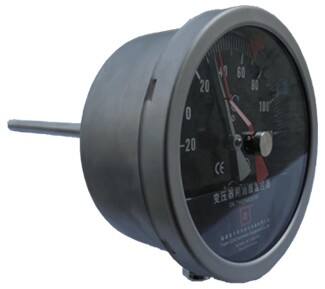
The global power infrastructure is undergoing a significant transformation as utilities and industrial facilities embrace intelligent monitoring solutions for critical equipment. Among these essential components, the oil-immersed transformer thermostat plays a pivotal role in maintaining operational efficiency and preventing catastrophic failures. As power systems become increasingly complex and distributed across international markets, the demand for advanced monitoring capabilities has never been more critical. Modern thermostat systems offer unprecedented opportunities for remote oversight, predictive maintenance, and operational optimization that can dramatically reduce costs while improving reliability.
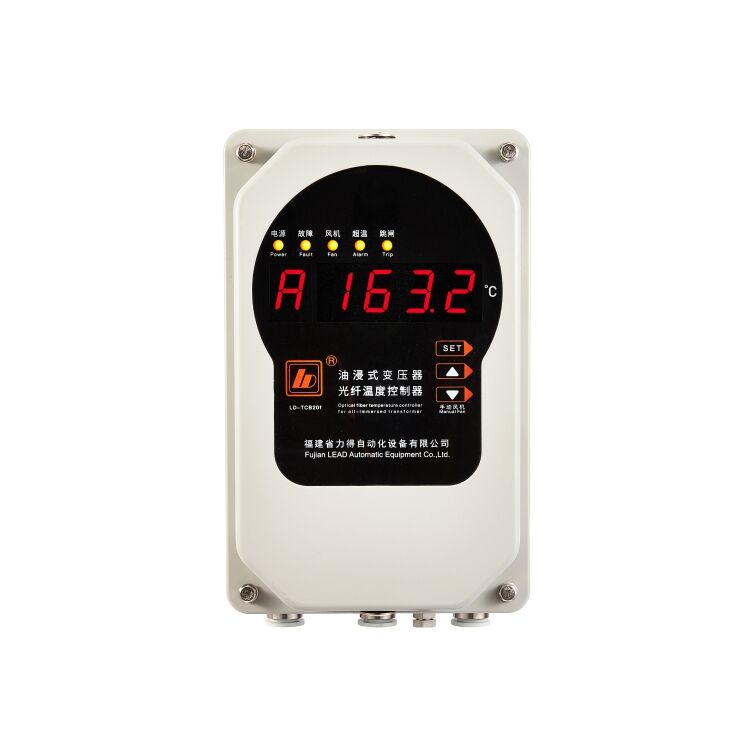
International power markets are experiencing rapid growth, particularly in developing regions where electrical infrastructure expansion is accelerating. This growth creates unique challenges for maintaining transformer equipment across vast geographical areas with limited on-site technical expertise. Traditional approaches to transformer monitoring rely heavily on periodic manual inspections, which are often insufficient for detecting early warning signs of thermal issues. The evolution toward intelligent oil-immersed transformer thermostat systems represents a fundamental shift in how utilities approach asset management and operational continuity.
Understanding Modern Transformer Temperature Control Systems
Core Components and Functionality
Contemporary oil-immersed transformer thermostat systems integrate sophisticated sensing technologies with advanced communication capabilities to provide comprehensive thermal monitoring. These systems typically incorporate fiber optic temperature sensors that offer superior accuracy and immunity to electromagnetic interference compared to traditional resistance-based sensors. The thermostat unit processes temperature data from multiple sensing points within the transformer, enabling precise control of cooling systems and early detection of thermal anomalies that could indicate developing problems.
The integration of digital processing capabilities allows modern thermostats to perform complex analytical functions beyond simple temperature measurement. Advanced algorithms can identify trending patterns, calculate thermal gradients, and predict potential failure scenarios based on historical data analysis. This intelligent processing transforms the oil-immersed transformer thermostat from a simple control device into a comprehensive monitoring and diagnostic platform that provides actionable insights for maintenance planning and operational optimization.
Communication and Connectivity Features
Remote monitoring capabilities depend heavily on robust communication infrastructure that can reliably transmit critical data across international networks. Modern thermostat systems support multiple communication protocols including Ethernet, wireless, and cellular technologies to ensure connectivity regardless of local infrastructure limitations. These systems can seamlessly integrate with existing SCADA networks while also supporting cloud-based monitoring platforms that enable global oversight from centralized control centers.
The communication architecture of advanced oil-immersed transformer thermostat systems includes redundant pathways to ensure continuous data transmission even in challenging environmental conditions. Backup communication methods and local data storage capabilities provide resilience against network interruptions, ensuring that critical temperature information is never lost. This reliability is essential for international operations where communication infrastructure may be less developed or subject to periodic disruptions.
Implementation Strategies for International Markets
Site Assessment and Planning
Successful deployment of intelligent thermostat systems in overseas markets requires comprehensive site assessment that considers local environmental conditions, infrastructure capabilities, and regulatory requirements. Temperature extremes, humidity levels, and electromagnetic interference patterns must be evaluated to ensure optimal performance of the oil-immersed transformer thermostat installation. Local power quality characteristics, including voltage fluctuations and harmonic distortion, can significantly impact system operation and must be addressed during the planning phase.
Infrastructure evaluation encompasses both physical and communication requirements necessary for effective remote monitoring implementation. Power supply stability, grounding systems, and physical security measures must meet international standards while accommodating local conditions. Communication infrastructure assessment includes evaluating available bandwidth, network reliability, and cybersecurity considerations that are particularly important when transmitting sensitive operational data across international networks.
Installation and Commissioning Procedures
The installation process for modern oil-immersed transformer thermostat systems requires specialized expertise and careful attention to manufacturer specifications and local electrical codes. Proper sensor placement is critical for accurate temperature measurement and must account for oil circulation patterns within the transformer tank. Installation teams must be trained on specific procedures for fiber optic sensor handling and termination to ensure long-term reliability and measurement accuracy.
Commissioning procedures include comprehensive testing of all system components, communication pathways, and integration with existing control systems. Calibration verification ensures that temperature measurements are accurate across the full operating range of the transformer. Communication testing validates data transmission reliability and confirms that alarm notifications reach designated personnel through multiple channels. The commissioning process establishes baseline performance metrics that will be essential for ongoing monitoring and maintenance activities.
Remote Monitoring and Data Analytics
Real-time Data Collection and Analysis
Advanced oil-immersed transformer thermostat systems generate continuous streams of high-resolution temperature data that provide unprecedented insights into transformer thermal behavior. Real-time data collection enables immediate detection of abnormal temperature conditions that could indicate cooling system failures, overloading conditions, or developing internal faults. The granular nature of this data allows operators to identify subtle changes in thermal patterns that might not be detectable through traditional monitoring approaches.
Data analytics capabilities transform raw temperature measurements into actionable intelligence through sophisticated algorithms that identify trends, predict failures, and optimize operational parameters. Machine learning techniques can identify patterns in temperature data that correlate with specific operating conditions or maintenance needs. This analytical approach enables proactive maintenance scheduling based on actual equipment condition rather than predetermined time intervals, resulting in improved reliability and reduced operational costs.
Predictive Maintenance Integration
The integration of oil-immersed transformer thermostat data with predictive maintenance programs represents a significant advancement in asset management capabilities. By analyzing temperature trends alongside other operational parameters such as load current, ambient conditions, and oil quality metrics, maintenance teams can develop comprehensive understanding of transformer health and performance characteristics. This holistic approach enables more accurate prediction of maintenance requirements and optimal scheduling of interventions.
Predictive maintenance algorithms utilize historical temperature data to establish normal operating patterns and identify deviations that may indicate developing problems. Early warning systems can alert operators to conditions that require attention before they progress to critical failures. This proactive approach is particularly valuable in international markets where rapid response to equipment failures may be challenging due to geographical distances and local resource limitations.
Operational Benefits and ROI Considerations
Cost Reduction and Efficiency Improvements
The implementation of intelligent oil-immersed transformer thermostat systems delivers measurable cost reductions through multiple mechanisms including reduced maintenance expenses, improved operational efficiency, and prevention of catastrophic failures. Remote monitoring capabilities eliminate the need for frequent on-site inspections, particularly valuable in international markets where travel costs and logistics complications can be significant. Automated data collection ensures consistent monitoring quality regardless of local technical expertise availability.
Energy efficiency improvements result from optimized cooling system operation based on precise temperature measurements and predictive algorithms. Traditional thermostats often operate cooling systems with conservative settings to ensure adequate protection, resulting in unnecessary energy consumption. Intelligent systems can optimize cooling operation based on actual thermal conditions and load patterns, reducing energy consumption while maintaining proper temperature control. These efficiency gains accumulate over time, providing substantial operational savings.
Risk Mitigation and Reliability Enhancement
Advanced thermostat systems significantly reduce the risk of transformer failures by providing early warning of developing thermal problems and enabling proactive intervention before critical conditions develop. The continuous monitoring capabilities of modern oil-immersed transformer thermostat installations ensure that thermal anomalies are detected immediately, allowing operators to implement corrective measures before damage occurs. This proactive approach is particularly valuable for international operations where replacement equipment may have extended delivery times.
Reliability enhancement extends beyond simple failure prevention to include improved operational planning and resource allocation. Accurate thermal monitoring data enables better load management decisions and helps optimize transformer utilization while maintaining safe operating margins. The comprehensive data provided by intelligent thermostat systems supports more effective asset management strategies and enables utilities to maximize the useful life of their transformer investments.
Technology Integration and Future Developments
IoT and Cloud Platform Integration
The integration of oil-immersed transformer thermostat systems with Internet of Things platforms creates powerful opportunities for enhanced monitoring and control capabilities. Cloud-based analytics platforms can process data from multiple transformer installations simultaneously, identifying patterns and correlations that would be impossible to detect through individual system monitoring. This collective intelligence approach enables more sophisticated predictive algorithms and benchmarking capabilities that improve overall fleet management effectiveness.
Cloud integration also facilitates global standardization of monitoring practices and enables centralized expertise to support distributed operations. Technical specialists can provide remote diagnostic support and troubleshooting assistance regardless of geographical location, ensuring consistent service quality across international markets. This approach is particularly valuable for organizations operating transformer fleets in multiple countries where local technical expertise may be limited.
Artificial Intelligence and Machine Learning Applications
The application of artificial intelligence and machine learning technologies to oil-immersed transformer thermostat data analysis represents the next frontier in intelligent transformer monitoring. AI algorithms can identify complex patterns in temperature data that correlate with specific failure modes or operational conditions, enabling more accurate predictions and optimized maintenance strategies. Machine learning systems continuously improve their predictive capabilities as they process more data, becoming increasingly effective over time.
Advanced AI applications include automated fault diagnosis, optimal cooling system control, and predictive load management recommendations. These capabilities enable transformer systems to operate with greater efficiency while maintaining optimal reliability and safety margins. The continuous learning nature of AI systems ensures that monitoring capabilities evolve and improve based on operational experience, providing increasing value over the system lifecycle.
FAQ
What are the key advantages of upgrading to an intelligent oil-immersed transformer thermostat system?
Intelligent thermostat systems provide continuous real-time monitoring, predictive maintenance capabilities, and remote oversight that significantly improve transformer reliability while reducing operational costs. These systems enable early detection of thermal anomalies, optimize cooling system operation, and provide comprehensive data analytics that support better asset management decisions. The remote monitoring capabilities are particularly valuable for international operations where on-site inspections are costly and logistically challenging.
How does remote monitoring improve transformer maintenance in overseas markets?
Remote monitoring eliminates the need for frequent on-site inspections while providing more comprehensive and consistent data collection than traditional manual methods. Operators can continuously monitor transformer thermal conditions from centralized locations, enabling immediate response to developing problems and optimized maintenance scheduling based on actual equipment condition. This approach reduces travel costs, improves response times, and ensures consistent monitoring quality regardless of local technical expertise availability.
What communication technologies are most suitable for international transformer monitoring applications?
Modern oil-immersed transformer thermostat systems support multiple communication protocols including Ethernet, cellular, and satellite technologies to ensure reliable connectivity across diverse international markets. The choice of communication technology depends on local infrastructure availability, data transmission requirements, and cost considerations. Many systems incorporate redundant communication pathways to ensure continuous data transmission even in challenging network environments.
How can organizations measure the return on investment for intelligent thermostat upgrades?
ROI measurement should include direct cost savings from reduced maintenance expenses, improved energy efficiency, and prevented failures, as well as indirect benefits such as improved operational planning and risk mitigation. Organizations typically see payback periods of two to four years through reduced inspection costs, optimized maintenance scheduling, and prevention of catastrophic failures. The comprehensive data provided by intelligent systems also enables better asset utilization and improved operational decision-making that delivers ongoing value throughout the system lifecycle.
Table of Contents
- Understanding Modern Transformer Temperature Control Systems
- Implementation Strategies for International Markets
- Remote Monitoring and Data Analytics
- Operational Benefits and ROI Considerations
- Technology Integration and Future Developments
-
FAQ
- What are the key advantages of upgrading to an intelligent oil-immersed transformer thermostat system?
- How does remote monitoring improve transformer maintenance in overseas markets?
- What communication technologies are most suitable for international transformer monitoring applications?
- How can organizations measure the return on investment for intelligent thermostat upgrades?