 EN
EN
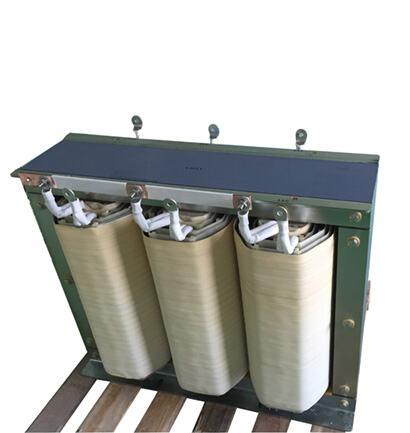
Power distribution systems across international markets rely heavily on sophisticated monitoring equipment to ensure operational reliability and safety. Among the most critical components in high-voltage electrical infrastructure is the oil-immersed transformer thermostat, which serves as the primary temperature monitoring and control device for transformer cooling systems. This comprehensive guide examines the complete process from initial installation through final commissioning of oil-immersed transformer thermostat systems in overseas applications, providing essential insights for electrical engineers, project managers, and technical personnel responsible for transformer installations.
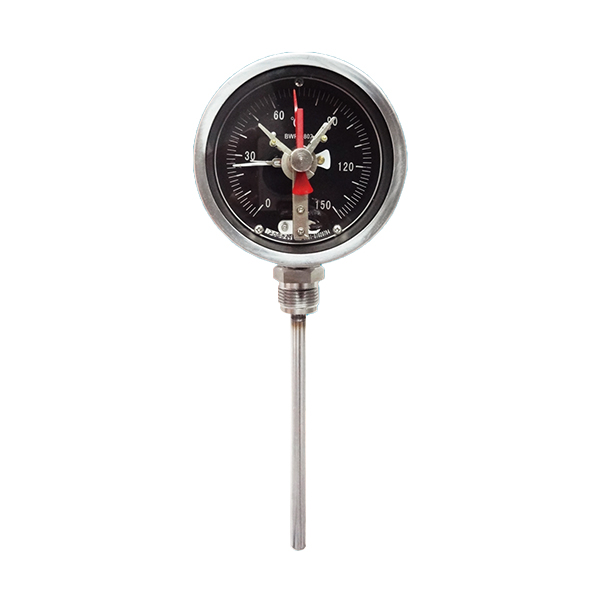
Pre-Installation Planning and Site Assessment
Environmental Analysis for Overseas Installations
Before commencing any installation work, conducting a thorough environmental assessment is crucial for oil-immersed transformer thermostat deployment in international locations. Climate conditions vary significantly across global markets, with factors such as ambient temperature ranges, humidity levels, and seasonal variations directly impacting thermostat performance and longevity. Engineers must evaluate local weather patterns, including extreme temperature fluctuations, monsoon conditions, or desert environments that could affect the oil-immersed transformer thermostat operation.
Site accessibility presents another critical consideration, particularly in remote overseas locations where specialized equipment and technical expertise may be limited. Transportation logistics for sensitive monitoring equipment require careful coordination, ensuring that the oil-immersed transformer thermostat arrives in optimal condition. Local infrastructure capabilities, including power supply stability, communication networks, and maintenance support availability, must be thoroughly evaluated during the planning phase.
Technical Specifications and Compatibility Assessment
Each overseas installation demands careful analysis of local electrical standards and regulatory requirements. The oil-immersed transformer thermostat must comply with regional certification standards, which may differ significantly from domestic specifications. Voltage levels, frequency requirements, and safety protocols vary across international markets, necessitating thorough compatibility verification before equipment procurement and installation.
Integration with existing transformer systems requires detailed technical review of mounting configurations, signal interfaces, and communication protocols. The oil-immersed transformer thermostat must seamlessly interface with existing cooling systems, control panels, and monitoring networks. Documentation review of existing transformer specifications, including cooling system capacity, oil circulation patterns, and temperature monitoring requirements, ensures optimal thermostat selection and configuration.
Installation Procedures and Safety Protocols
Equipment Preparation and Safety Measures
Installation of any oil-immersed transformer thermostat requires strict adherence to safety protocols, particularly in overseas locations where emergency response capabilities may vary. Personal protective equipment standards must meet or exceed local safety regulations while maintaining consistency with international best practices. De-energization procedures for transformer systems require careful coordination with local utility operators and regulatory authorities to ensure proper isolation and lockout protocols.
Equipment inspection prior to installation involves comprehensive verification of all oil-immersed transformer thermostat components, including sensing elements, control circuits, and mounting hardware. Each component must be examined for shipping damage, contamination, or degradation that could impact performance. Calibration certificates and technical documentation should be verified against local standards and requirements specific to the installation environment.
Mounting and Connection Procedures
Proper mounting of the oil-immersed transformer thermostat requires precise positioning to ensure accurate temperature sensing and reliable operation. The sensing element must be positioned at the correct depth within the transformer oil, typically in accordance with manufacturer specifications and local electrical codes. Mounting hardware must be compatible with existing transformer tank configurations while providing secure, vibration-resistant installation suitable for local environmental conditions.
Electrical connections for the oil-immersed transformer thermostat demand careful attention to local wiring standards and practices. Terminal connections must be properly torqued according to manufacturer specifications, with consideration for thermal expansion and contraction in varying climate conditions. Wiring routes should be protected from environmental exposure while maintaining accessibility for future maintenance and inspection activities.
System Integration and Control Configuration
Communication Interface Setup
Modern oil-immersed transformer thermostat systems incorporate sophisticated communication capabilities that must be properly configured for integration with existing control systems. Protocol compatibility between the thermostat and supervisory control and data acquisition systems requires careful verification and testing. Communication parameters, including baud rates, addressing schemes, and data formats, must align with local network infrastructure and operational requirements.
Network security considerations become increasingly important in overseas installations where cybersecurity threats may vary from domestic environments. The oil-immersed transformer thermostat communication interfaces must be configured with appropriate security protocols, encryption standards, and access control measures that comply with local regulatory requirements while maintaining operational functionality.
Alarm and Control Logic Programming
Configuration of alarm thresholds and control logic for oil-immersed transformer thermostat systems requires careful consideration of local operating conditions and utility practices. Temperature setpoints must account for ambient temperature variations, seasonal changes, and load patterns specific to the installation location. Programming logic should incorporate appropriate time delays, hysteresis settings, and fault detection algorithms suitable for local operational requirements.
Integration with cooling system controls ensures optimal transformer performance while minimizing energy consumption. The oil-immersed transformer thermostat must be programmed to coordinate with fan operations, oil pump controls, and load tap changer systems where applicable. Control logic should account for local utility practices, load management strategies, and emergency operating procedures specific to the regional power system.
Testing and Calibration Procedures
Functional Testing and Verification
Comprehensive testing of oil-immersed transformer thermostat functionality requires systematic verification of all monitoring and control functions. Initial testing should include verification of temperature sensing accuracy across the full operating range, with particular attention to extreme temperature conditions that may be encountered in the specific overseas location. Calibration verification must be performed using certified reference standards traceable to international measurement standards.
Control function testing involves simulation of various operating scenarios to verify proper operation of cooling system controls, alarm functions, and communication interfaces. Each oil-immersed transformer thermostat output must be tested to ensure proper operation of associated equipment including cooling fans, oil circulation pumps, and monitoring displays. Response times for critical functions should be measured and documented to ensure compliance with system requirements and local utility standards.
Documentation and Record Keeping
Proper documentation of oil-immersed transformer thermostat installation and testing activities provides essential information for future maintenance and troubleshooting activities. Installation records should include detailed photographs of equipment positioning, wiring connections, and configuration settings. Calibration certificates, test results, and configuration parameters must be documented in formats suitable for local utility practices and regulatory requirements.
Maintenance schedules and procedures should be established based on manufacturer recommendations, local environmental conditions, and utility practices. The oil-immersed transformer thermostat maintenance documentation should include spare parts requirements, recommended test intervals, and troubleshooting procedures adapted for local technical capabilities and support infrastructure.
Commissioning and Performance Validation
System Performance Evaluation
Final commissioning of oil-immersed transformer thermostat systems involves comprehensive evaluation of performance under actual operating conditions. Load testing should verify proper temperature monitoring accuracy during various loading scenarios, ensuring that the thermostat responds appropriately to changing thermal conditions. Performance validation must account for local load patterns, environmental conditions, and operational practices specific to the installation location.
Long-term performance monitoring during the commissioning period provides valuable data for optimizing oil-immersed transformer thermostat settings and verifying system reliability. Trending analysis of temperature data, alarm frequencies, and cooling system operations helps identify potential issues and optimize operational parameters for local conditions. This monitoring period typically extends for several months to capture seasonal variations and load cycling effects.
Training and Knowledge Transfer
Successful commissioning of oil-immersed transformer thermostat systems requires comprehensive training for local operating and maintenance personnel. Training programs should address system operation, routine maintenance procedures, troubleshooting techniques, and emergency response protocols. Local technical capabilities and language requirements must be considered when developing training materials and conducting instruction sessions.
Knowledge transfer activities should include documentation of local modifications, configuration settings, and operational procedures specific to the installation. The oil-immersed transformer thermostat operation manual should be supplemented with site-specific information, local contact information, and troubleshooting guides adapted for local technical support capabilities and spare parts availability.
Troubleshooting and Maintenance Considerations
Common Issues and Diagnostic Procedures
Overseas installations of oil-immersed transformer thermostat systems may encounter unique challenges related to environmental conditions, power quality, and maintenance practices. Common issues include temperature sensing drift due to contamination, communication failures related to power quality problems, and mechanical wear from vibration or temperature cycling. Diagnostic procedures must be adapted for local technical capabilities and available test equipment.
Environmental factors specific to overseas locations can significantly impact oil-immersed transformer thermostat performance and reliability. Humidity, dust, corrosive atmospheres, and extreme temperature variations require enhanced maintenance attention and potentially modified inspection intervals. Preventive maintenance procedures should be adapted to address these environmental challenges while maintaining system reliability and accuracy.
Spare Parts Management and Support Infrastructure
Effective spare parts management for oil-immersed transformer thermostat systems in overseas locations requires careful planning and coordination with local suppliers and support organizations. Critical spare parts inventory should be established based on failure mode analysis, environmental conditions, and local supply chain capabilities. Emergency spare parts requirements should account for potential extended delivery times and import restrictions that may affect overseas locations.
Technical support infrastructure must be established to provide ongoing assistance for oil-immersed transformer thermostat maintenance and troubleshooting activities. Remote diagnostic capabilities, technical hotline support, and local service partnerships help ensure continued system reliability and minimize downtime. Service agreements should address response times, technical expertise requirements, and cost structures appropriate for overseas operations.
FAQ
What environmental factors should be considered when installing oil-immersed transformer thermostat systems overseas
Environmental considerations for overseas oil-immersed transformer thermostat installations include ambient temperature ranges, humidity levels, dust exposure, and corrosive atmospheres. Extreme temperature variations can affect sensing accuracy and mechanical components, while high humidity may impact electrical connections and enclosure integrity. Coastal installations require enhanced corrosion protection, and desert environments demand attention to dust infiltration and thermal cycling effects on equipment performance and longevity.
How do international electrical standards affect oil-immersed transformer thermostat selection and installation
International electrical standards significantly impact oil-immersed transformer thermostat selection through voltage requirements, frequency specifications, and safety certifications. Different regions may require specific approval markings, installation practices, and testing procedures that must be verified during the planning phase. Communication protocols, alarm logic, and control interfaces may also vary based on local utility practices and regulatory requirements, necessitating careful compatibility verification before procurement and installation.
What are the key commissioning tests required for oil-immersed transformer thermostat systems
Key commissioning tests for oil-immersed transformer thermostat systems include temperature sensing accuracy verification across the full operating range, alarm function testing at various setpoints, and communication interface verification with existing control systems. Control logic testing should verify proper coordination with cooling systems, load tap changers, and protection systems. Performance validation under actual loading conditions and environmental stress testing help ensure reliable operation throughout the expected service life.
How should maintenance schedules be adapted for overseas oil-immersed transformer thermostat installations
Maintenance schedules for overseas oil-immersed transformer thermostat installations should be adapted based on local environmental conditions, technical support availability, and spare parts supply chains. Harsh environments may require more frequent inspections and calibration verification, while remote locations might necessitate extended maintenance intervals with more comprehensive servicing activities. Local technical capabilities, seasonal access restrictions, and utility practices should influence maintenance scheduling to optimize system reliability while managing operational costs effectively.
Table of Contents
- Pre-Installation Planning and Site Assessment
- Installation Procedures and Safety Protocols
- System Integration and Control Configuration
- Testing and Calibration Procedures
- Commissioning and Performance Validation
- Troubleshooting and Maintenance Considerations
-
FAQ
- What environmental factors should be considered when installing oil-immersed transformer thermostat systems overseas
- How do international electrical standards affect oil-immersed transformer thermostat selection and installation
- What are the key commissioning tests required for oil-immersed transformer thermostat systems
- How should maintenance schedules be adapted for overseas oil-immersed transformer thermostat installations